
The succession of the Tooro Kingdom has erupted into a potentially explosive royal dispute after members of the late King Oyo Nyimba Kabamba Iguru Rukidi IV’s immediate family rejected the declaration of Prince Edward Rukidi Kijanangoma as the new Omukama, arguing that the late king’s written will provides a different and explicit line of succession.
The dramatic challenge came on Wednesday, September 9, 2026, hours after the Babiito clan announced Prince Edward Kijanangoma as the successor to Oyo, who died in the United States on August 27 aged 34.
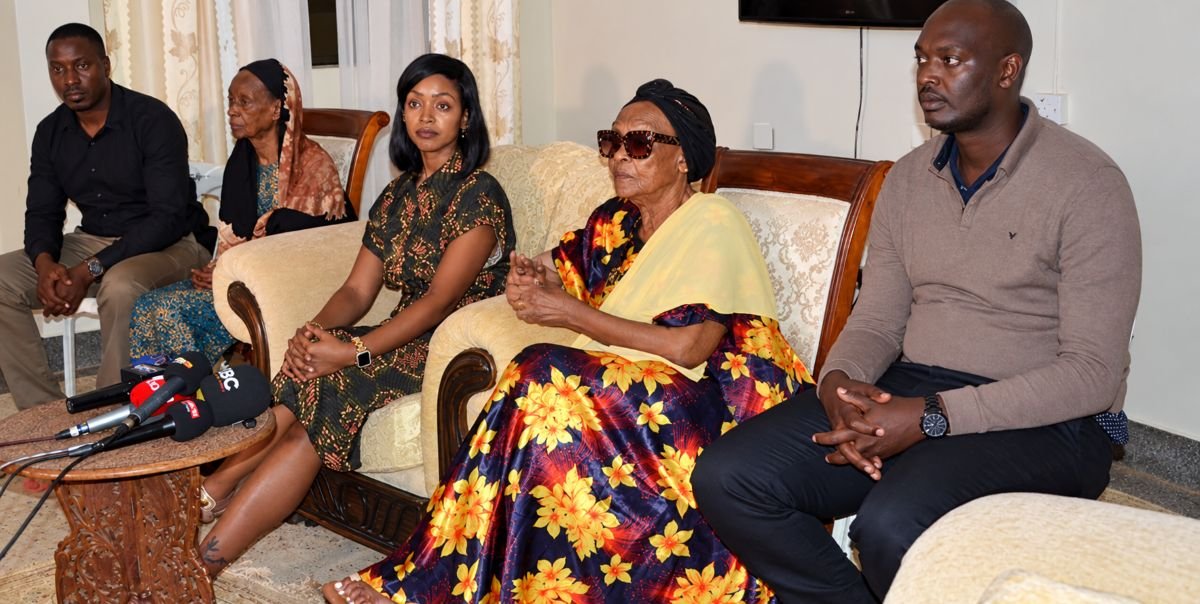
Princess Ruth Komuntale, Oyo’s sister, publicly rejected the decision, saying the royal family had been preparing to examine the late king’s will with lawyers before a successor was announced.
Princess Elizabeth Bagaya, another senior member of the royal family, has also rejected the declaration, deepening the divisions surrounding the throne at a time when Tooro is preparing to bury Oyo on Saturday.
The dispute is significant because Oyo appears to have left written instructions dealing specifically with his succession.
Oyo’s Will: Son First in Line
A copy of Oyo’s Last Will and Testament seen by UG Mirror was executed on September 14, 2022, at Karuziika Palace in Fort Portal.
The document contains a specific section titled “Appointment of My Heir and Successor to the Crown.”
In Article 10.1, Oyo stated that if, at the time of his death, he was survived by a son lawfully recognised as his biological son, he appointed that son as his heir to the throne of Tooro, in accordance with the Institution of Traditional or Cultural Leaders Act, 2011 and Tooro customs and traditions.
The will then goes further.
Article 10.2 provides a succession plan in the event that Oyo had no son able to succeed him, or if his son died before assuming the throne, became permanently incapacitated or was otherwise unable to perform the duties of the Omukama.
In that circumstance, Oyo named his cousin Prince Komwiswa Yoweri, son of Musuga Charles Kamurasi Akiiki, as the next heir and successor.
If Komwiswa Yoweri was also unable to assume the throne, Oyo directed that succession should pass to Prince Nyaika Solomon, also a son of Musuga Charles Kamurasi Akiiki.
The will therefore establishes a clear hierarchy before any other royal candidate is considered.
Article 10.3 further states that Oyo desired the succession arrangements to be recognised and implemented peacefully and with dignity, in accordance with the Institution of Traditional or Cultural Leaders Act, 2011 and the customs and traditions of Tooro.
He also directed in Article 10.4 that the installation of his successor should be conducted according to Tooro customs and traditions and the 2011 law.
In a final message to his successor, Oyo wrote that he should remember that leadership is stewardship and that the Crown exists in service to the people.
Komuntale: “My Brother Left a Clear Will”
Komuntale has now challenged the Babiito announcement head-on.
She said the royal family had held a meeting earlier on Wednesday involving senior members of the royal establishment and Gen Henry Tumukunde, with discussions centred on the late king’s will.
According to Komuntale, the understanding was that lawyers would examine the document before any successor was proclaimed.
Instead, the announcement of Kijanangoma caught them by surprise.
She argued that the late king had clearly provided for his successor and had even laid out a second and third option in the event that his first choice could not ascend.
Komuntale urged Batooro to remain calm, saying the disagreement should not be allowed to divide the kingdom while Oyo’s body is yet to be laid to rest.
Her position is potentially explosive because it pits the authority of the Babiito clan’s succession process against the explicit succession provisions contained in the late king’s will.
The Bigger Question: Who Has Authority to Choose the King?
The dispute now raises a fundamental question for Tooro: Does the Babiito clan have the final authority to select the Omukama, or should Oyo’s written succession instructions prevail?
The Babiito clan announced on Wednesday that Kijanangoma had been selected after consultations and due diligence.
A resolution reportedly signed by 19 members of the 21-member succession committee said the group had been mandated by the General Meeting of the Ababiito clan to identify a suitable successor.
The resolution said the committee had acted under the leadership of Omujwera Musuga, the head of the Babiito clan, before settling on Kijanangoma.
According to the resolution, Kijanangoma is the son of the late Prince Christopher Paul Kijanangoma and grandson of former Omukama George David Rukidi III.
The committee said he would be enthroned in accordance with Tooro traditions and customs.
But that announcement has now collided directly with the contents of Oyo’s will.
A Succession Crisis Was Already Brewing
The controversy did not begin with Wednesday’s announcement.
When Oyo died on August 27, the Tooro Kingdom’s Prime Minister, Calvin Armstrong Rwomiire Akiiki, announced that the continuity of the Crown was assured and said the late king had left behind a prince who would be formally identified at the appropriate time.
President Yoweri Museveni subsequently said he had been informed by Queen Mother Best Kemigisa that Oyo had left a young heir.
But the head of the Babiito clan, Charles Kayondo Kamurasi, disputed the claim, saying Oyo had died without a known biological child.
That disagreement has now become the central fault line in the succession battle.
If Oyo’s biological son is formally established as his lawful heir, Article 10.1 of the will appears to place that son ahead of every other candidate.
If the son is not recognised as eligible or cannot assume the throne, the will expressly names Komwiswa Yoweri before Nyaika Solomon.
Edward Kijanangoma does not appear in the succession sequence contained in the pages of the will seen by UG Mirror.
That omission is likely to become one of the most contentious issues in the days ahead.
Oyo’s Funeral Now Overshadowed by Succession Fight
The dispute comes at the worst possible time for Tooro.
Oyo’s body was returned to Uganda on September 4 and transported to Tooro as the kingdom began preparations for his final farewell.
The government has taken charge of the official burial arrangements, with Oyo scheduled to be buried at the Karambi Royal Tombs on September 12, 2026.
The burial will take place on what would have been the anniversary of Oyo’s 1995 coronation.
Oyo ascended the throne at just three years old following the death of his father, Patrick Matthew Kaboyo Olimi III, and became internationally known as the world’s youngest reigning monarch.
He subsequently ruled Tooro for more than three decades.
His death therefore created not merely a vacancy but a historic test of the kingdom’s succession institutions.
Could Tooro Be Headed for a Legal Battle?
The immediate challenge from members of Oyo’s family could force the kingdom to confront the legal status of the will alongside traditional succession customs.
Article 10.3 of the document specifically refers to the Institution of Traditional or Cultural Leaders Act, 2011, while Article 10.4 provides for the installation of the successor in accordance with both the law and Tooro traditions.
That makes the dispute potentially more complicated than a disagreement between royal relatives.
It could become a question of how statutory law, a reigning king’s testamentary wishes and Babiito customary authority interact when determining the next Omukama.
Komuntale has already indicated that lawyers were expected to examine the will before the succession process proceeded.
The decision to announce Kijanangoma before that process was completed has now triggered an open confrontation.
The succession battle now has three competing questions
1. Does Oyo’s biological son exist and is he legally recognised?
If yes, Article 10.1 of the will places him first.
2. If Oyo’s son cannot succeed, who comes next?
The will names Prince Komwiswa Yoweri, followed by Prince Nyaika Solomon.
3. Can the Babiito clan override or depart from Oyo’s written succession instructions?
That is now the most explosive question facing Tooro.
For a kingdom that has just lost a monarch who ruled for 31 years, the succession dispute threatens to turn Oyo’s funeral into the opening chapter of a much larger royal confrontation.
And with Princess Komuntale and senior royal figures now openly rejecting Kijanangoma’s declaration, Tooro’s new king may have been named—but his legitimacy is already being fiercely contested.
The throne has been filled. The succession battle, however, may have only just begun.