
The fifth Tusker Lite Rwenzori Marathon has ended on a high after producing record-breaking performances, international competition and a major showcase for Kasese’s tourism potential.
Held on August 22, 2026, the marathon marked a historic milestone after becoming Uganda’s first World Athletics Label Road Race.
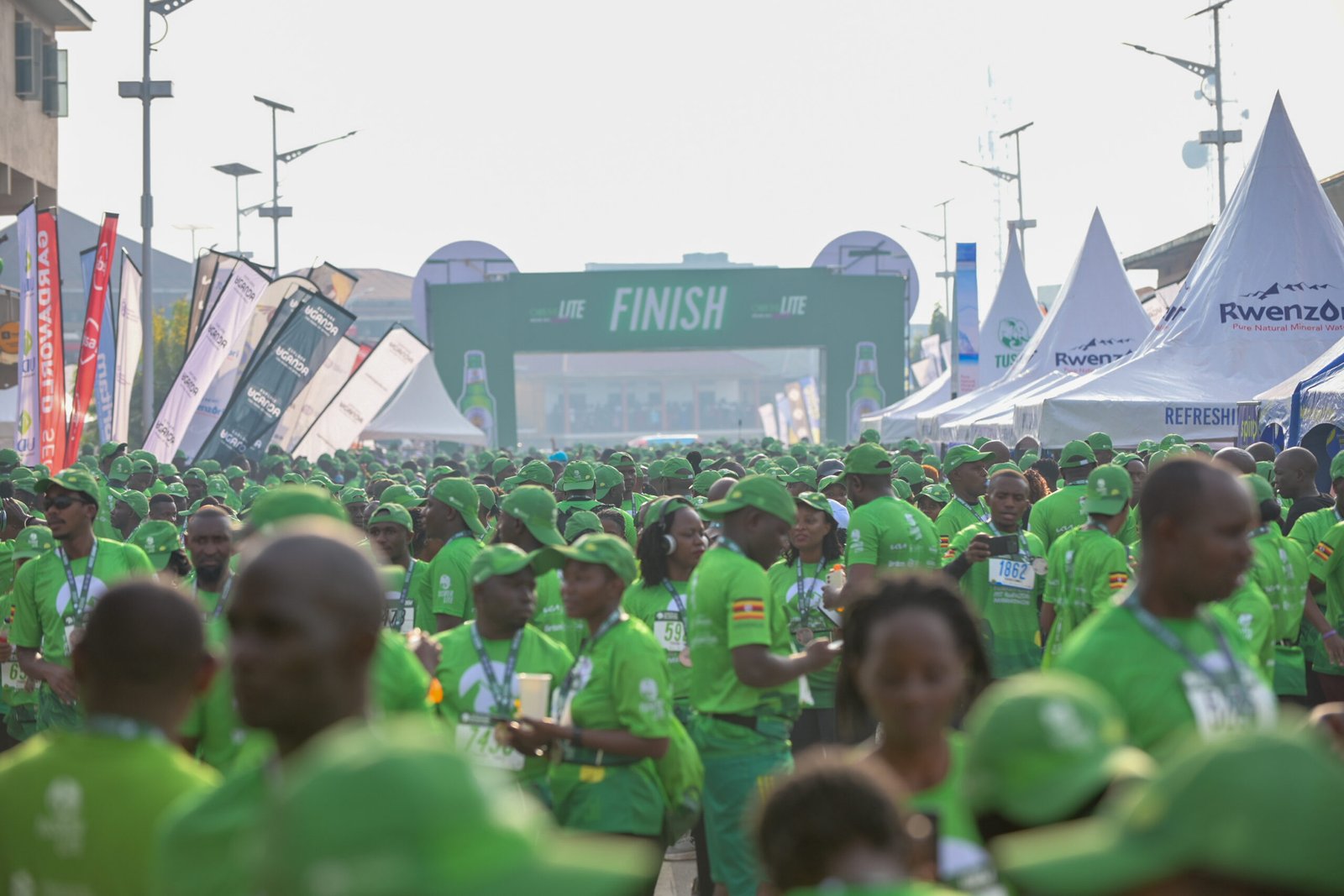
Thousands of runners, spectators and visitors converged on Kasese for an event that combined elite athletics with tourism, entertainment and local business.
At the centre of the sporting action was Uganda’s Leonard Chemonges.
Chemonges won the men’s 42.2-kilometre marathon in an official World Athletics time of 2:13:25.
Alex Mutai finished second in 2:13:36, while Fred Cherotwo took third in 2:13:49.
The all-Ugandan men’s podium highlighted the strength of Uganda’s distance-running talent.
Kenya’s Margaret Jepchumba claimed the women’s marathon title in 2:39:15.
Uganda’s Vanice Chemutai finished second in 2:43:32, while Joan Chebet took third in 2:44:08.
The women’s results therefore produced an international winner alongside two Ugandan podium finishers.
The half marathon provided another strong Ugandan performance.
Abel Chebet won the men’s 21.1-kilometre race for the fourth time in five editions, finishing in about 1:02:00.
Sam Yeko was second and Oscar Kibet third.
Gloria Chebet won the women’s half marathon in approximately 1:12:10, ahead of Prisca Chesang Chemweno and Viola Munerya Chemos.
The results capped an event that had already generated significant attention before race day.
The 2026 edition carried World Athletics Label Road Race status, placing the event on the international athletics calendar.
Preparations included official course measurement by World Athletics-certified measurer Gavin Wright and a detailed operational review covering hydration stations, marshal positions, transport, congestion points and the finish arena.
The marathon’s course remained one of its biggest attractions.
The 42.2-kilometre route begins at the Equator in Kikorongo, inside Queen Elizabeth National Park.
Runners then travel towards Kasese before heading into the Rwenzori foothills.
The course has a maximum elevation of 1,200 metres above sea level and approximately 410 metres of elevation gain.
The 21.1-kilometre course also takes runners into the Rwenzori foothills and has become known for its scenic character.
The event’s growing prize structure also contributed to its appeal.
The total prize purse reached Shs252 million in 2026.
The men’s and women’s marathon winners each received Shs40 million, while half-marathon winners received Shs15 million each.
The equal prize structure for men and women extended down the finishing positions, making the race one of the more significant prize-paying road events on Uganda’s athletics calendar.
But the impact of the marathon extended well beyond the winners.
The Ministry of Tourism said the event attracted thousands of runners, spectators and visitors and strengthened Kasese’s position as an international sports tourism destination.
The tourism component was visible throughout the weekend.
Visitors had opportunities to explore Queen Elizabeth National Park, the Equator and the Rwenzori Mountains.
Hotels, restaurants, transport providers, tour operators and other businesses benefited from the increased number of visitors.
The event therefore created an economic chain extending beyond the race route.
For the organisers, this is central to the marathon’s long-term vision.
The race is designed to combine healthy living, athlete development, tourism promotion and enterprise.
The World Athletics label gives the event an international sporting platform, while the scenery gives it a distinctive tourism identity.
The 2026 edition also demonstrated the potential of that combination.
Elite athletes competed for substantial prizes.
Recreational runners participated in the 5km and 10km races.
The 21.1km event attracted competitive distance runners.
And thousands of spectators and visitors joined the wider celebration.
The result was an event that was simultaneously a sporting competition, tourism campaign and business opportunity.
The Ministry of Tourism has described the marathon as a platform through which Uganda can market its landscapes, culture and hospitality to an international audience.
For Kasese, that may be the marathon’s most important legacy.
The town is increasingly becoming associated not only with the Rwenzori Mountains and Queen Elizabeth National Park, but also with an annual international sporting event.
The 2026 edition therefore ended with more than winners and finishers.
It ended with a stronger international profile for Kasese, a new benchmark for Ugandan road running and another step towards establishing the Rwenzori Marathon among Africa’s leading destination races.
As organisers look towards the sixth edition in 2027, the challenge will be to build on the momentum created by the historic fifth edition.
For now, Leonard Chemonges, Margaret Jepchumba and thousands of other runners have left their mark on a marathon that is rapidly becoming one of Uganda’s most distinctive sporting events.