
President Yoweri Kaguta Museveni is set to commission a landmark cement and clinker manufacturing plant in Moroto District next week, in a move expected to significantly boost Uganda’s industrial capacity and accelerate economic transformation in the Karamoja sub-region.
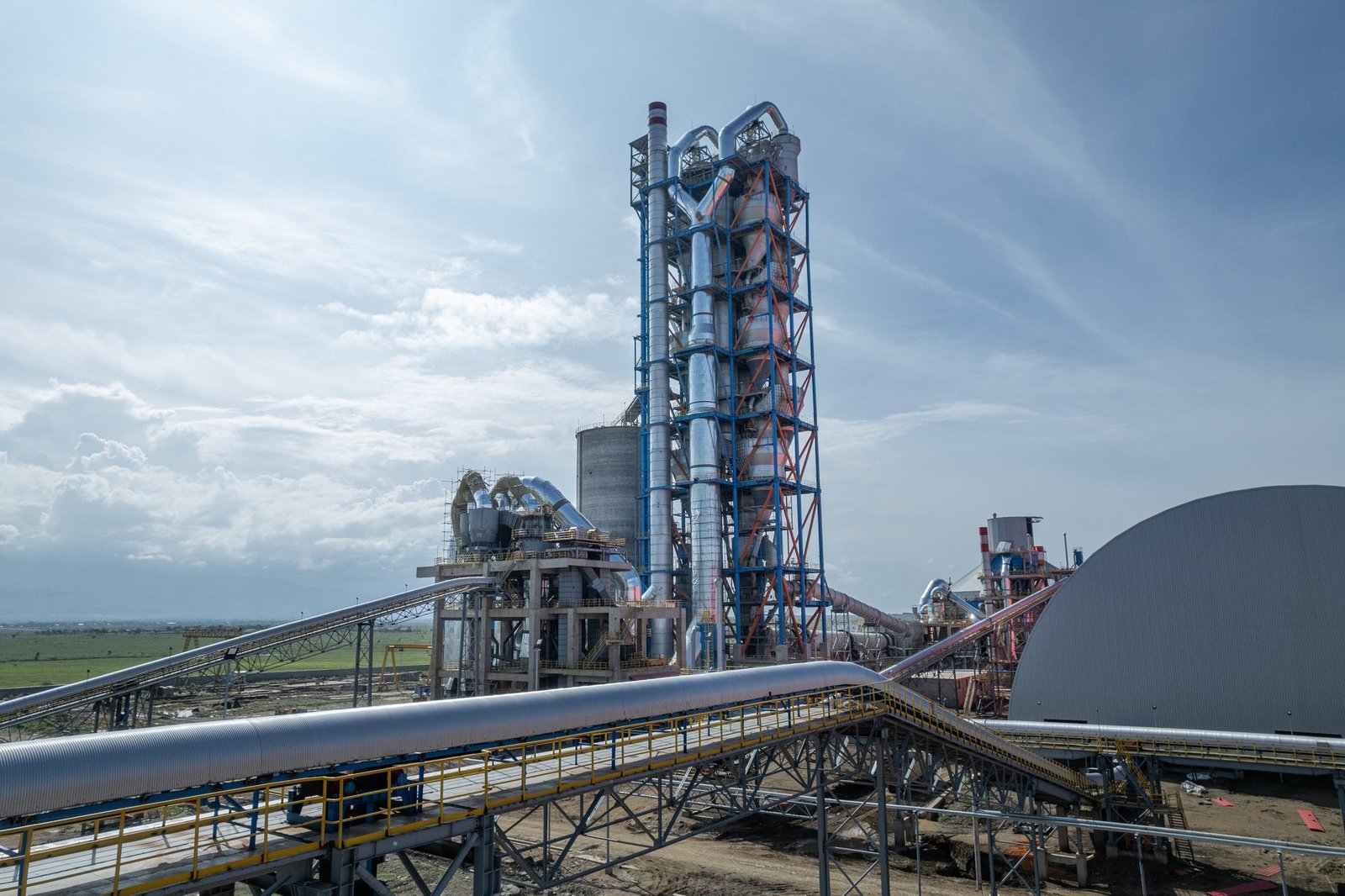
The state-of-the-art facility, operated by Yaobai Cement Uganda, is valued at over USD 300 million and ranks among the largest industrial investments ever undertaken in Northern Uganda. The project signals growing investor confidence in Karamoja, a region historically viewed as marginalized but now increasingly attracting large-scale development projects.
Located in Moroto, the plant boasts an initial production capacity of more than 6,000 tonnes of clinker per day under Phase I. This output is expected to play a critical role in strengthening Uganda’s domestic manufacturing base, particularly in the construction sector, which continues to experience rapid growth driven by infrastructure expansion and urbanisation.
Government officials say the facility will drastically cut Uganda’s reliance on imported clinker by over 2.5 million tonnes annually. This reduction is anticipated to ease pressure on supply chains, lower production costs for cement manufacturers, and ultimately stabilize market prices for construction materials.
The increased availability of locally produced clinker and cement is also expected to improve accessibility across the country and the wider East African region, positioning Uganda as a more competitive player in the regional construction materials market.
Beyond its industrial significance, the project is already having a transformative socio-economic impact on the Karamoja sub-region. The construction and early operational phases have created hundreds of direct and indirect jobs, while also stimulating local businesses through increased demand for goods and services.
Leaders in the region have welcomed the investment as a turning point for Karamoja’s economic fortunes, with expectations that it will contribute to improved household incomes and reduced poverty levels. The plant is also expected to spur further infrastructure development, including roads, energy, and water systems, to support industrial growth.
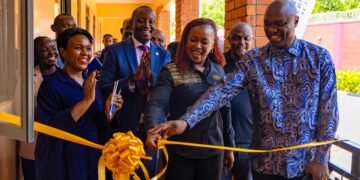
The commissioning ceremony is expected to draw a wide array of stakeholders, including regional political leaders, government officials, investors, private sector players, and cultural institutions. Their presence underscores a collective commitment to fostering inclusive growth and unlocking the economic potential of Karamoja.
Analysts say the project aligns with the government’s broader industrialisation agenda, which seeks to promote value addition, reduce import dependency, and create sustainable employment opportunities for Ugandans.
As Karamoja continues to transition into a viable investment destination, the commissioning of the Yaobai Cement plant marks a significant milestone in redefining the region’s economic identity. It reinforces Uganda’s ambition to build a resilient, self-sufficient industrial sector capable of supporting long-term national development goals.