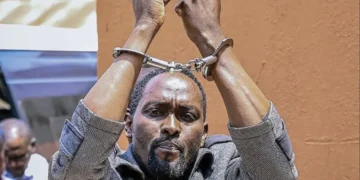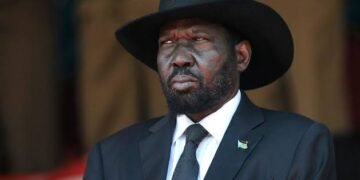


President Yoweri Kaguta Museveni has taken a fresh swipe at veteran opposition leader Kizza Besigye, accusing him of deliberately avoiding trial while portraying himself as a champion of democracy and human rights.
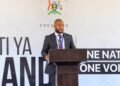
In a national address on Saturday, Museveni questioned why Besigye, whom he described as a self-proclaimed defender of democratic values, was allegedly resisting appearing before court if he believed he was innocent.
The President’s remarks come as Besigye remains at the centre of a politically charged legal battle that has drawn criticism from opposition supporters, religious leaders and international human rights organisations.
“To show the impunity, take the case of Besigye. He was arrested on the 17th of November, 2024. All this time, however, he has been refusing trial, misusing the legal system,” Museveni said.
Museveni argued that someone who claims to be fighting dictatorship should be eager to defend himself in court.
“Why would this great democrat and human rights fighter spend so many calories on refusing to come to trial where he has got opportunity to prove his innocence and expose the undemocratic behaviour of the dictatorship of Museveni and his family?” he asked.
The President also criticised Uganda’s justice system for allegedly allowing accused persons to delay criminal proceedings indefinitely.
He argued that permitting suspects to refuse trial undermines public confidence in the courts and fuels mob justice, where communities take the law into their own hands because they fear suspects will never be held accountable.
Museveni linked the issue to what he described as a broader culture of impunity that his government is now determined to eliminate through tougher enforcement by security agencies.
The President defended recent security operations targeting opposition politicians and activists, insisting they are intended to strengthen—not weaken—the rule of law.
He also suggested that some opposition figures have encouraged confrontational politics through inflammatory slogans, including threats to burn Kampala and prevent the swearing-in of elected leaders.
According to Museveni, such conduct has forced security agencies to intervene to preserve national stability and protect witnesses involved in criminal investigations.
Rejecting claims that Uganda has returned to the era of political disappearances, Museveni argued that today’s suspects are appearing before courts rather than being secretly killed as happened under previous regimes.
He urged Ugandans to wait for court proceedings before drawing conclusions about those facing prosecution.
The latest remarks are among Museveni’s strongest personal attacks on his longtime political rival in recent months and signal that the government intends to continue defending the legal proceedings against Besigye despite sustained criticism from opposition supporters and rights groups.