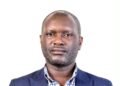

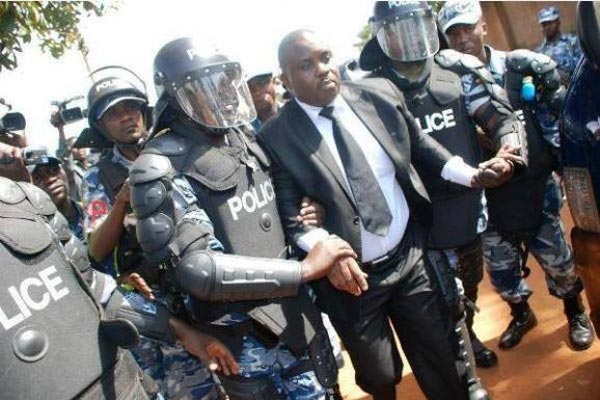
The leader of the opposition People’s Front for Freedom (PFF), Erias Lukwago, was dramatically seized from his Kampala residence before dawn on Monday in an operation that has triggered fresh accusations of state repression and political persecution.
Witnesses said armed operatives stormed Lukwago’s home in Wakaliga shortly after 5:00 a.m., scaling perimeter walls and forcing their way into the premises before whisking away the veteran opposition politician and lawyer under circumstances that remained unclear by press time.
The operation, carried out by a group reportedly consisting of both uniformed and plain-clothed security personnel, unfolded without any immediate public explanation from police or other security agencies.
The arrest comes at a politically sensitive moment for Lukwago, who serves as president of the opposition PFF and is a member of the legal team representing veteran opposition leader Kizza Besigye in his treason-related case.
According to sources close to him, Lukwago had been scheduled to appear for a television interview on Monday morning. He had reportedly chosen to conduct the interview from his residence rather than his office. PFF officials also said he was preparing to formally serve court documents on Muhoozi Kainerugaba, the Chief of Defence Forces and son of President Yoweri Museveni.
Residents and boda boda riders in the area reported noticing unusual security activity hours before the operation. They said one vehicle without registration plates and another carrying number plates arrived in the neighbourhood carrying an estimated eight operatives.
Witnesses said the group entered the compound by climbing over the perimeter fence before moving swiftly into the house.
Local journalist with Daily Monitor, Ibrahim Kavuma, who was reportedly inside the residence during the operation, described a tense scene in which operatives shouted orders, slammed doors and demanded to know Lukwago’s whereabouts before eventually locating and taking him away.
Kavuma further alleged that security personnel briefly confiscated phones and other electronic devices from people inside the house during the operation.
The dramatic raid was followed by a controversial social media post from Gen Muhoozi, who wrote: “I have captured a FOOL and taken him to the basement!”
Although Muhoozi did not name the individual he was referring to, the timing of the post immediately fueled speculation that it was linked to Lukwago’s arrest. No official confirmation had been provided by security agencies.
PFF responded furiously, accusing the government of resorting to intimidation and military force to silence political opponents.
“Instead of respecting the rule of law, the regime has chosen military might to shield themselves from legal accountability and choke the voices of democratic change. This is the height of state-sponsored lawlessness,” the party said in a statement.
The opposition party further warned that what it described as a campaign of intimidation would not deter its political activities.
“We want to send a clear message to the dictator and his tools of oppression: intimidation cannot and will not deter our resolve. You can blockade a house, but you cannot blockade the burning desire of millions of Ugandans fighting for freedom and democratic change,” the statement added.
The incident is likely to intensify scrutiny of Uganda’s political climate as the country moves closer to another electoral cycle. Opposition groups have repeatedly accused security agencies of targeting critics of the government through arrests, detentions and restrictions on political activity, allegations that authorities have consistently denied.
As questions mounted over Lukwago’s whereabouts and the legal basis for his detention, neither police nor military authorities had issued a statement explaining the operation.
By Monday afternoon, uncertainty continued to surround the circumstances of the arrest, adding another chapter to the increasingly confrontational relationship between Uganda’s security establishment and opposition leaders.
For many government critics, the images and accounts emerging from Wakaliga painted a troubling picture of power exercised through force rather than due process. For authorities, however, the silence left unanswered questions that are likely to dominate Uganda’s political conversation in the coming days.