

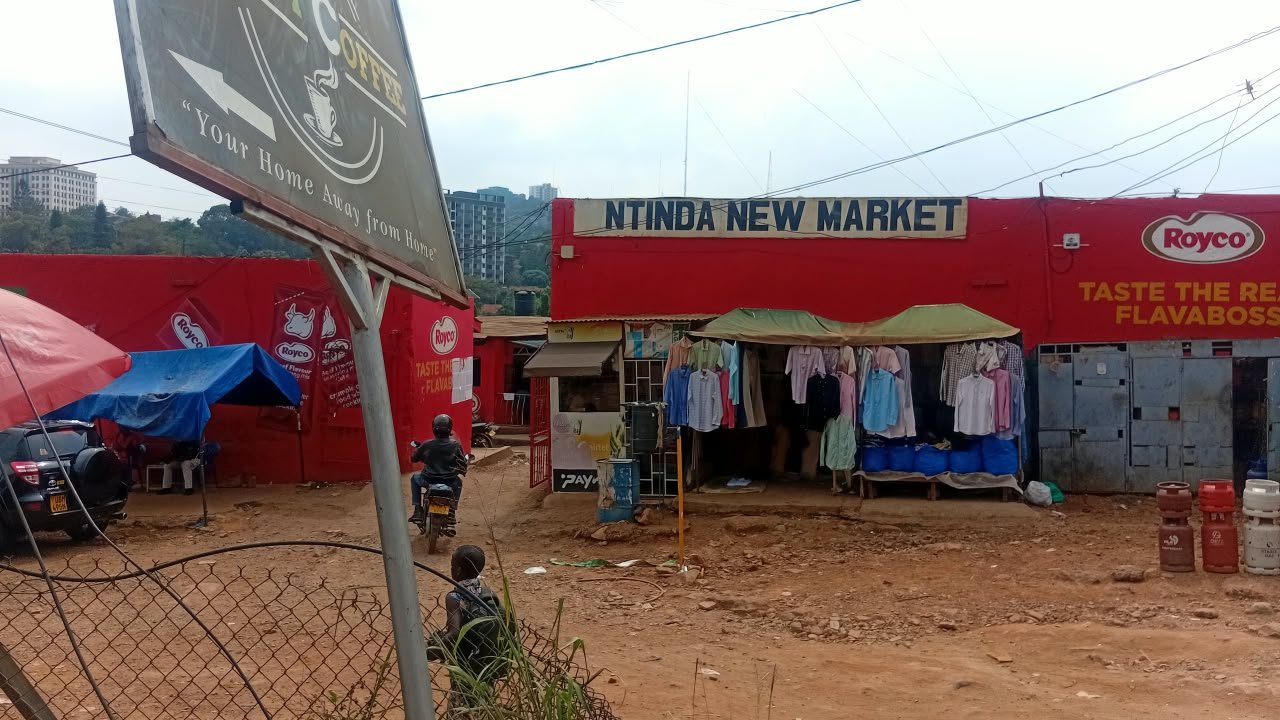
A planned modernization project at Ntinda New Market has been thrown into uncertainty after an intervention attributed to the Deputy Resident District Commissioner (RDC) for Nakawa, Benesa Edrine, reportedly blocked a new developer from taking over a car washing bay despite completing the bidding process and paying Shs18 million in development fees.
The dispute has raised fresh questions about the boundaries of political and administrative authority in local economic development projects, particularly where publicly administered markets are seeking private investment to improve facilities and create business opportunities.
The controversy dates back to August 1, 2025, when the management of Ntinda New Market issued a public bid notice seeking a developer to redevelop the market’s car washing bay.
Market officials say the redevelopment was conceived as part of a wider modernization programme intended to transform the facility and improve the environment for traders, customers and service providers.
The washing bay was selected as the pilot project.
Interested bidders were required to submit an application letter, a business profile and a site development plan for consideration by the market committee.
Following evaluation, Stephen Okeng was declared the successful bidder on August 15, 2025, after presenting what market officials described as a comprehensive plan to transform the facility.
His proposal included paving the entire washing bay and portions of the external parking area, installing security lighting, constructing a drainage system, grading the external parking area and installing a car shade.
The improvements, according to the proposal, were expected not only to modernize the washing bay but also to increase parking capacity and attract more motorists to the market, potentially boosting business for other traders.
Okeng subsequently paid the required Shs18 million development fee and was formally allocated the service area.
But the promised transformation has remained on paper.
Former operator refuses to leave
According to market management, the project hit a roadblock when Nalwoga Christine, the former operator of the washing bay, whose contract had expired, allegedly refused to vacate the premises.
Management says it sought the intervention of Ntinda Police Station to facilitate a lawful handover of the premises to the new developer.
It was during this process, according to market officials, that the RDC’s office entered the dispute.
Market management alleges that a directive attributed to Deputy RDC Benesa instructed that Nalwoga should continue operating the washing bay, effectively preventing Okeng from taking possession of the facility.
More seriously, management claims that market leaders were threatened with arrest if they attempted to enforce the new contract.
The allegations have effectively placed the market’s procurement process and modernization programme in limbo.
An investor who had gone through the bidding process, emerged as the successful bidder and paid millions of shillings now remains unable to commence the works for which the money was paid.
Questions over political interference
The dispute has triggered concern among some vendors and stakeholders, who argue that the episode could undermine investor confidence in public markets if procurement decisions can subsequently be overturned through political intervention.
They contend that market modernization requires predictable rules, transparent procurement and protection of legitimate investments—not competing directives from different offices.
The stakeholders are now calling for intervention from the Office of the President, the Ministry for Kampala and the Kampala Resident District Commissioner to establish what happened and determine who has authority to resolve the dispute.
At the heart of the controversy is a simple but potentially far-reaching question: If a market management committee lawfully awards a facility to a developer who pays the required fees, what authority can suspend that decision—and under what legal process?
The situation is also likely to attract scrutiny because Ntinda New Market falls under the administration of the Kampala Capital City Authority (KCCA), raising questions about the extent to which an RDC’s office can intervene in operational decisions concerning a KCCA-administered market.
Benesa denies blocking lawful action
When contacted by this publication, Benesa distanced himself from claims that his office had improperly taken over the management of the market.
He pointed out that the market is under KCCA and said the market master was better placed to explain how the facility is administered.
“That market is currently under KCCA. The market master is in a better position to give you the details on how markets under KCCA are administered,” Benesa said.
He, however, acknowledged that a member of the market committee had contacted him over the dispute.
“One of the committee members called me and I told him to come to office on Tuesday next week.”
Benesa also insisted that the law must be followed, particularly where payments due to the market are concerned.
“Nobody is above the law, if the current washing bay owner is not paying money, action should be taken against her.”
His comments appear to suggest that the issue may not simply be about who won the redevelopment bid, but also about whether the existing operator has outstanding obligations to the market and whether the market followed the proper legal process in seeking her removal.
However, the central question remains unresolved: why an investor who was declared the successful bidder, paid Shs18 million and was granted the service area has been unable to begin the development works?
For Ntinda traders and other stakeholders, the dispute has become more than a quarrel over a washing bay. It has become a test of whether Kampala’s push to modernize its markets and expand economic opportunities will be driven by transparent investment processes—or be derailed by competing administrative and political interventions.
Until the dispute is resolved, Shs18 million remains tied up, the promised infrastructure upgrades remain stalled and a market modernization project intended to attract more customers and create additional economic activity remains frozen.