
Rwanda is positioning itself to tap into a rapidly growing segment of global finance through the introduction of Islamic capital market products, a move that experts say could unlock billions in new investment for infrastructure, housing, agriculture, private sector development, and sustainable economic growth.
The initiative, spearheaded by the Rwanda Stock Exchange and market regulators, seeks to diversify the country’s financial instruments beyond conventional stocks and bonds while attracting a broader range of domestic and international investors.
At the center of the proposed reforms is the introduction of Sukuk, commonly referred to as Islamic bonds.
Unlike conventional bonds that generate returns through interest payments, Sukuk are structured around ownership interests in tangible assets, projects, or investment activities, making them compliant with Islamic financial principles that prohibit interest-based transactions.
Industry leaders believe the new framework could transform Rwanda’s capital markets by opening access to investors who have traditionally remained on the sidelines due to religious or ethical investment considerations.
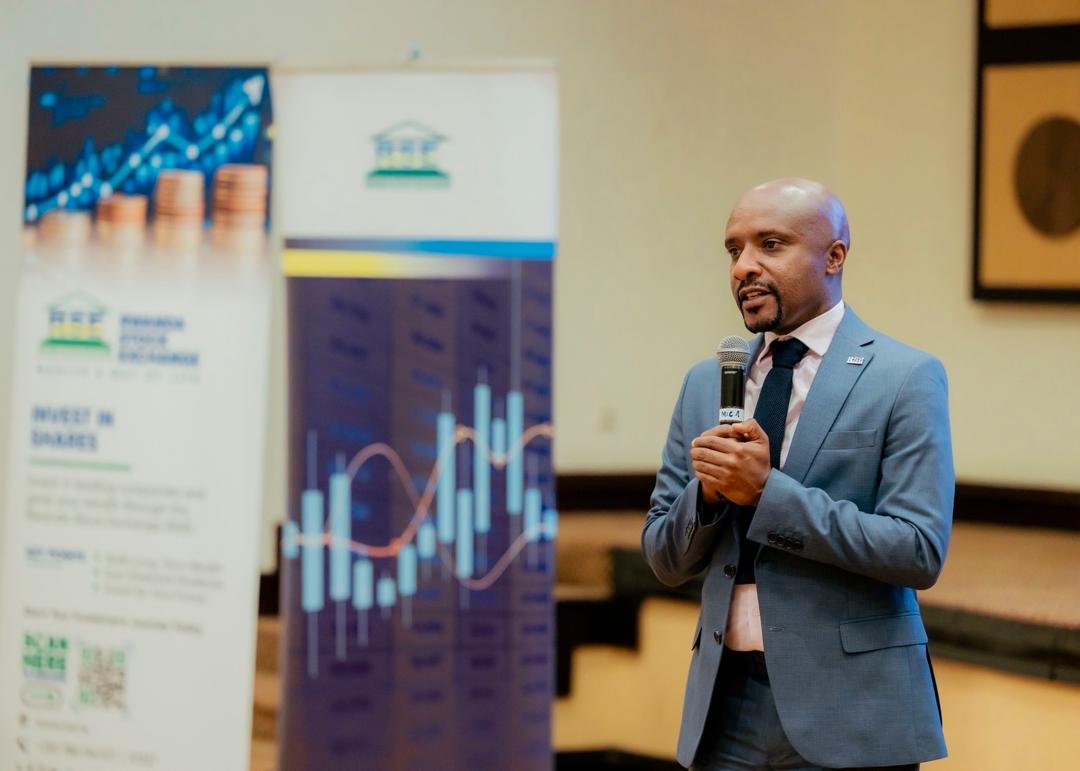
Speaking during discussions on the development of Islamic capital market regulations, Celestin Rwabukumba, Chief Executive Officer of the Rwanda Stock Exchange, said the move is aimed at creating a more inclusive and diversified financial ecosystem.
According to Rwabukumba, capital markets operate through a relationship between issuers seeking long-term financing, investors looking for opportunities, and intermediaries that connect the two.
The planned Sharia-compliant products, he said, will provide both issuers and investors with alternatives that align with their financial preferences.
“The market has products which are plain vanilla,” Rwabukumba noted. “So now it is an additional diversification of investment opportunities for investors, but also an opportunity for issuers to tap into those investors who would not have come to the market.”
He added that Rwanda must strategically position itself to attract international capital, particularly from the Middle East and other regions where Islamic finance plays a major role in investment decisions.
The CEO emphasized that Rwanda’s growing demand for capital to finance infrastructure projects and support business expansion makes Islamic finance an attractive tool for mobilizing long-term funding.
Experts involved in developing the regulatory framework say clear rules governing the issuance, listing, and trading of Islamic financial products will be essential to ensuring market confidence and liquidity.
Issa Mohammed Ahmed, an Islamic market products consultant who facilitated the workshop, said the draft regulations currently under development will establish the foundation for how Sukuk and other Islamic investment instruments operate within Rwanda’s financial system.
He explained that a robust regulatory framework would help create an active secondary market, enabling investors to buy and sell securities more easily while attracting both local and international issuers.
Ahmed also sought to dispel common misconceptions surrounding Islamic finance.
“One of the biggest misunderstandings is that Islamic finance is only for Muslims,” he said. “In reality, these products are available to anyone looking for ethical and alternative investment opportunities.”
He noted that countries such as Malaysia and Nigeria have successfully integrated Islamic capital markets into their broader financial sectors, while Rwanda and the wider region have been relatively slow to adopt such instruments.
Nevertheless, he praised Rwanda’s regulatory ambitions, describing them as innovative and forward-looking.
“There is a lot of capital in other parts of the world,” Ahmed said, pointing to the Middle East as a major source of investment that Rwanda could attract through the creation of suitable financial products.
Ahmed stressed that public awareness campaigns and capacity-building initiatives would be critical to educating regulators, issuers, intermediaries, and investors about Islamic finance and addressing misconceptions, including fears that the model seeks to promote religious agendas.
He also encouraged Rwanda to explore the possibility of issuing a sovereign Sukuk in the future, following the example of countries including the United Kingdom, South Africa, and Luxembourg.
International partners have welcomed Rwanda’s efforts to expand its financial sector through innovative financing mechanisms.
Charlotte Helminger, Chargé d’Affaires at the Embassy of Luxembourg in Rwanda, said the development of an Islamic sustainable finance framework could help Rwanda attract new investors, mobilize long-term capital, strengthen financial inclusion, and deepen the country’s capital markets.
Drawing on Luxembourg’s experience as a global hub for sustainable and Islamic finance, Helminger said Rwanda could benefit from lessons learned through initiatives such as the Luxembourg Green Exchange and the country’s role in facilitating Sukuk and other Sharia-compliant financial instruments.
She commended the Rwanda Stock Exchange, the Capital Markets Authority, and development partners involved in drafting the regulations, describing the effort as evidence of Rwanda’s ambition to build a diversified and internationally connected financial sector.
According to Helminger, Islamic finance is among the fastest-growing sectors in the global financial industry and offers significant opportunities to support infrastructure development, affordable housing, agriculture, private sector expansion, and broader sustainable development goals.
For financial intermediaries operating in Rwanda’s capital markets, the reforms are expected to create new business opportunities while expanding financing options for companies.
Olivier Muneza, Chief Executive Officer of stock brokerage firm Mo Capital, said Sukuk and other Islamic financial products could provide businesses with alternatives to traditional bank loans and conventional bond financing.
He noted that the products could help attract new categories of investors and deepen market participation, although sustained awareness campaigns would be necessary to educate businesses and potential issuers.
Similarly, Vanessa Deborah Uwingabire, a stockbroker at Baraka Capital Ltd, said the introduction of Islamic capital market products would broaden Rwanda’s investment landscape and foster healthy competition.
She observed that many people initially associate Islamic finance exclusively with Muslim investors but said ongoing discussions have helped challenge that perception.
As Rwanda moves closer to finalizing the regulatory framework, stakeholders say the next challenge will be translating policy into practical investment products capable of attracting both issuers and investors.
If successfully implemented, Islamic finance could become a powerful tool for mobilizing long-term capital, strengthening financial inclusion, attracting foreign investment, and supporting Rwanda’s broader economic transformation agenda.
The initiative also positions Rwanda to compete for a share of the trillions of dollars circulating within the global Islamic finance industry, offering the country a new pathway to fund its development ambitions while expanding the reach and sophistication of its capital markets.