
President Yoweri Museveni has directed National Resistance Movement (NRM) Members of Parliament to intensify the fight against corruption, particularly in the health sector and the Parish Development Model (PDM), saying widespread public complaints gathered during his recent countrywide campaigns point to persistent theft, abuse of office and poor service delivery.
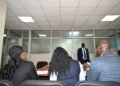
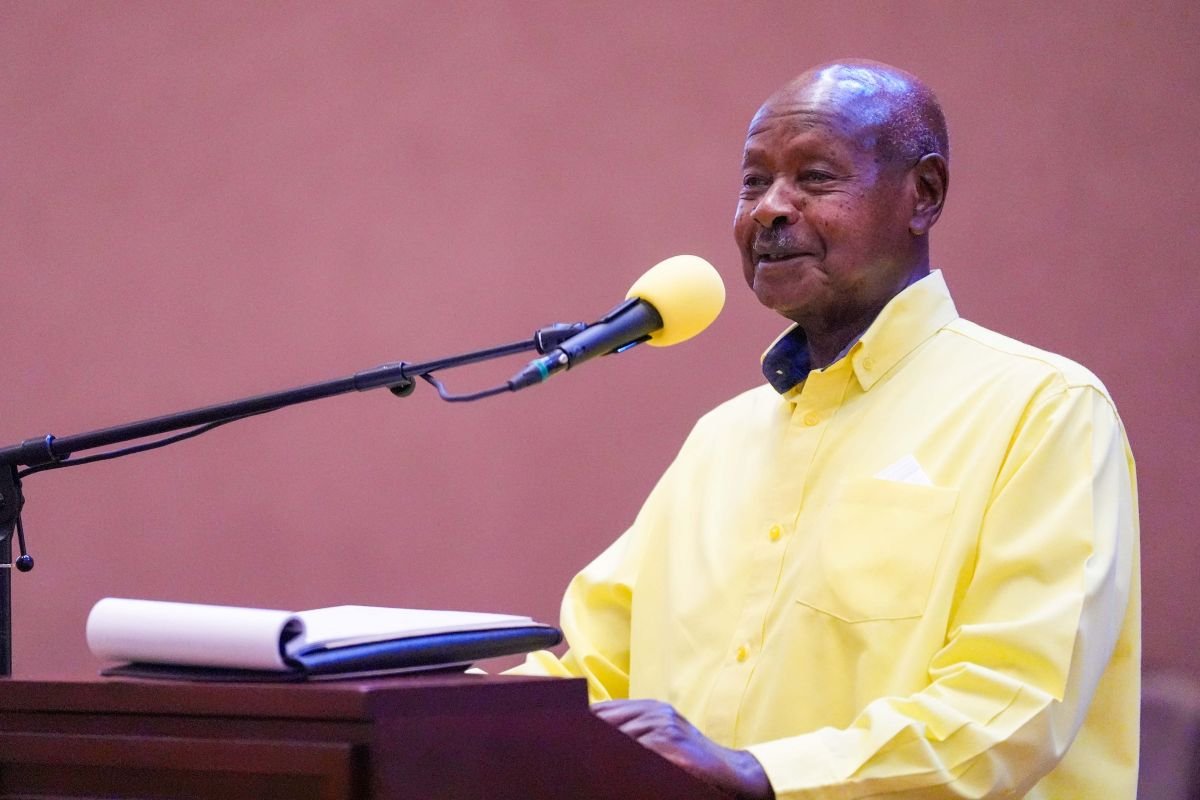
The President delivered the directive on Friday during a meeting with the NRM Parliamentary Caucus at Munyonyo, where he briefed legislators on issues he said were consistently raised by wananchi during his recent political engagements across the country.
Museveni said the concerns expressed by ordinary Ugandans revolved around corruption in public service, especially the theft of medicines from government health facilities, absenteeism among health workers, diversion of funds under the Parish Development Model, the alleged sale of government jobs, and other forms of abuse that continue to undermine government programmes.
“Today, I met the NRM Parliamentary Caucus at Munyonyo and shared with them what I picked from wananchi during the recent campaigns,” the President said in a statement released after the meeting.
He told the legislators that corruption in both the health sector and the Parish Development Model must be decisively confronted if government programmes are to achieve their intended objectives.
According to Museveni, rampant theft of medicines from public health facilities continues to deny citizens access to essential healthcare despite significant government investment in the health sector.
The President also expressed concern over absenteeism by health workers, saying the practice leaves many government health centres operating below capacity and forces patients to seek expensive treatment from private facilities.
Another issue that featured prominently in his address was the implementation of the Parish Development Model, the government’s flagship poverty eradication programme aimed at moving households from subsistence to the money economy.
Museveni warned against the diversion and misuse of PDM funds, saying resources intended to uplift poor households must reach the intended beneficiaries without interference from corrupt officials.
He further condemned allegations surrounding the sale of government jobs, describing the practice as unacceptable and damaging to both public service delivery and confidence in government institutions.
“The theft of medicines, absenteeism by health workers, diversion of PDM funds, the sale of government jobs, and all forms of corruption must stop,” Museveni said.
The President tasked NRM legislators to play a more active oversight role by closely monitoring government programmes in their constituencies and ensuring that implementation challenges are identified and addressed before they affect service delivery.
He urged the MPs not to remain silent whenever they encounter corruption or inefficiency, stressing that their responsibility extends beyond lawmaking to ensuring government programmes produce tangible results for citizens.
Museveni challenged members of the ruling party’s parliamentary caucus to become fearless advocates for accountability and transparency, saying they should openly expose corruption wherever it occurs.
“They must speak out without fear, monitor government programmes closely, and ensure that they deliver real benefits to the people,” he said.
The meeting comes at a time when the government has intensified efforts to improve accountability in public service delivery amid increasing public concern over corruption in key sectors.
The health sector has repeatedly faced allegations involving the theft and diversion of medicines supplied to public health facilities, while absenteeism among medical personnel has remained one of the major challenges affecting healthcare delivery, particularly in rural areas.
Similarly, the Parish Development Model, launched to transform livelihoods through parish-level financing, has come under increasing scrutiny following reports of delayed disbursements, alleged diversion of funds and irregularities in beneficiary selection in some districts.
Museveni’s latest directive signals that the ruling party intends to tighten internal oversight of flagship government programmes as Parliament resumes business and implementation of major government initiatives continues across the country.
Political observers say the President’s decision to relay concerns gathered directly from wananchi reflects an effort to ensure that feedback from grassroots communities influences government priorities and parliamentary oversight.
The NRM Parliamentary Caucus, which brings together legislators from the ruling party, plays a key role in coordinating the government’s legislative agenda and monitoring the implementation of government programmes.
By placing corruption in healthcare and the Parish Development Model at the centre of his message, Museveni has effectively put NRM legislators on notice that they will be expected to take a more visible role in exposing malpractice, demanding accountability from implementing agencies and ensuring that public resources are used for their intended purpose.
The President’s remarks also reinforce the government’s broader anti-corruption agenda, with legislators now expected to translate his directives into stronger oversight of ministries, departments, local governments and agencies responsible for delivering services to Ugandans.