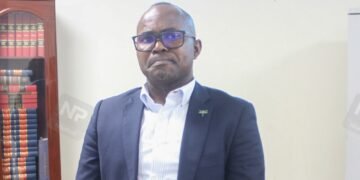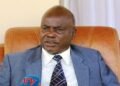

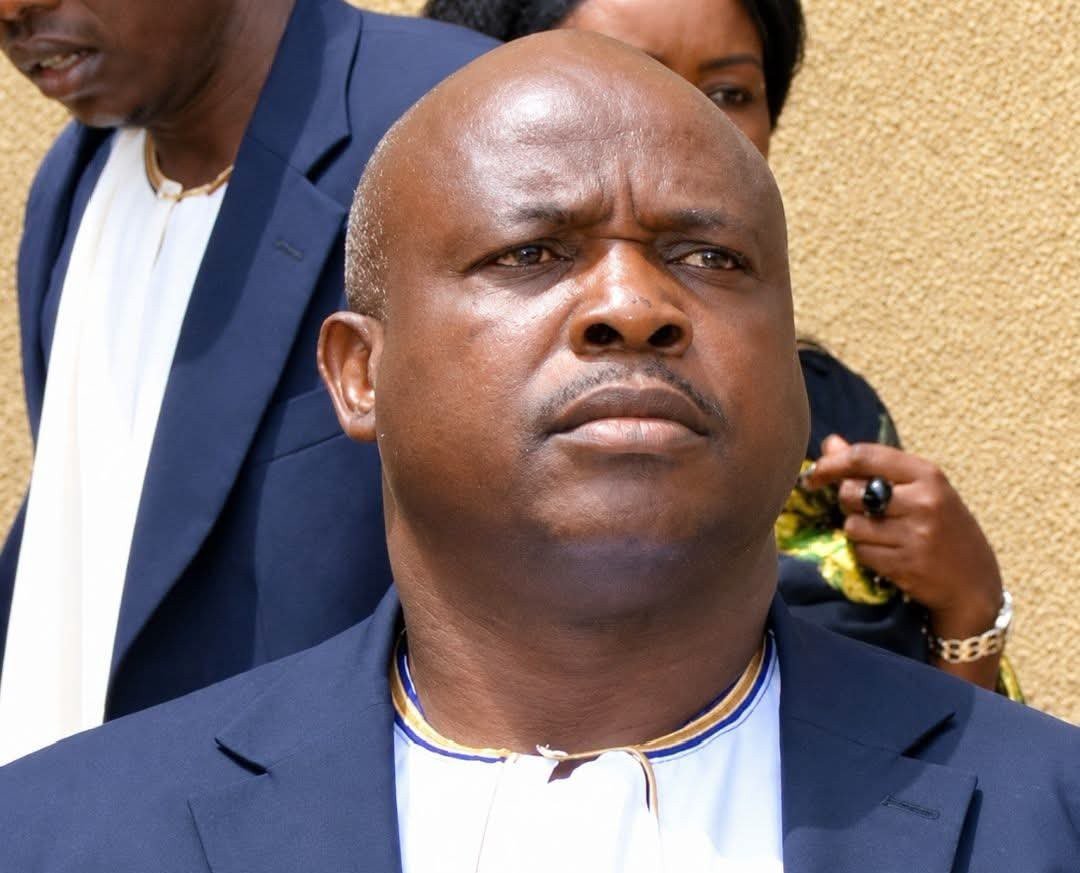
Tooro Kingdom’s new Prime Minister, Benard Tungwako Ateenyi, is returning to an office he abruptly abandoned in August 2022, raising questions about the circumstances of his previous departure and whether his second stint can succeed where his first ended.
The appointment by Omukama Edward Rukidi Nyabongo I marks a remarkable political comeback for Tungwako, who served as Tooro’s Omuhikirwa between May 2015 and August 2022 under the late Omukama Oyo Nyimba Kabamba Iguru IV.
But his previous departure was not an ordinary leadership transition. It came at a time when the kingdom was experiencing persistent internal disagreements, questions about administrative accountability and tensions between different organs of its leadership.
On August 20, 2022, Tungwako wrote to King Oyo announcing that he was stepping down with immediate effect.
In the resignation letter, he said he wanted to prepare for another assignment at the national level within the cultural fraternity, explaining that remaining Prime Minister could create a conflict of interest.
“This is to communicate a decision I have reached to step down from the position of Prime Minister – Tooro Kingdom effective immediately in order to enable me prepare for service in another role,” he wrote.
Nile Post and Daily Monitor reported his resignation on August 26, 2022, confirming that King Oyo had accepted it and appointed Steven Kiyingi as his successor.
Tungwako had served for approximately seven years after replacing Steven Kaliba in May 2015.
Importantly, neither the resignation announcement nor the contemporary reports established that he had been dismissed for incompetence. His departure was publicly presented as voluntary.
His departure came amid a troubled kingdom administration
Tungwako’s tenure unfolded against a background of persistent disagreements over the management of Tooro Kingdom, its resources and the relationship between the palace, cabinet and Supreme Council.
One of the most revealing episodes came in May 2021 when Supreme Council Speaker Saul Mugasa resigned, accusing senior kingdom officials and palace leadership of undermining institutional structures.
Mugasa, who had served the kingdom for 22 years, raised serious questions about the management of kingdom properties and finances.
Among his allegations was that Shs2 billion received from government following an agreement on the return of kingdom properties had been transferred from the kingdom’s account to the King’s personal account without the knowledge of the Supreme Council.
He also questioned the transfer of kingdom land into the King’s names.
Tungwako, who was then Prime Minister, rejected the allegations concerning the land, explaining that the kingdom had leased 0.2102 hectares to the King in recognition of his service to the people of Tooro.
The dispute exposed the difficult relationship between the kingdom’s administrative structures and palace leadership.
Mugasa’s resignation was particularly significant because it demonstrated that tensions within the institution were not limited to disagreements between individual officeholders.
A history of leadership exits and financial controversies
Tooro’s leadership challenges were not new.
In February 2013, former Prime Minister Amos Mugisa resigned following a confrontation involving palace officials.
Uganda Radio Network reported that Mugisa had been dragged out of a cabinet meeting and taken to police for questioning over alleged financial impropriety.
Palace officials accused him of diverting more than Shs12 million from kingdom funds, allegations he disputed.
Mugisa subsequently blamed interference in kingdom administration by palace officials, including Queen Mother Best Kemigisa and the King’s Principal Private Secretary.
He also raised concerns about the management of kingdom land, financial accounts and revenue.
Former Prime Minister Steven Irumba had similarly complained about interference by palace officials in kingdom administration.
These episodes illustrate the longstanding institutional tensions that have confronted successive Tooro administrations.
2022 exit was followed by a controversial succession
Tungwako’s resignation triggered another controversy when King Oyo appointed Steven Kiyingi as his replacement on August 26, 2022.
The appointment immediately divided members of the Supreme Council.
Some council members objected, arguing that the constitutional procedure for appointing and approving a Prime Minister had not been followed.
Others questioned Kiyingi’s eligibility, including his cultural background and connection to the kingdom.
A section of clan leaders subsequently petitioned King Oyo, arguing that the appointment process had violated provisions of the Tooro Kingdom Constitution.
The dispute escalated, with some leaders threatening legal action and a boycott of the kingdom’s coronation anniversary celebrations.
King Oyo, however, stood by his decision and urged the dissenting leaders to work with the new Prime Minister.
The controversy demonstrated how sensitive the premiership had become within the kingdom.
A second chance under Nyabongo
Tungwako’s return now places him at the centre of another leadership transition, this time following the death of King Oyo and the ascension of Omukama Edward Rukidi Nyabongo I.
His previous experience could prove valuable as the new monarch seeks to establish a functioning administration.
However, the circumstances surrounding the previous administration mean that his return will attract scrutiny.
He will be expected to address longstanding concerns about accountability, the management of kingdom assets, relations between the palace and the Supreme Council, and the implementation of development programmes.
His biggest test may be restoring confidence among kingdom leaders and subjects who have witnessed repeated disputes involving successive administrations.
The question facing Tooro is whether Tungwako’s second appointment will usher in a new era of institutional stability or revive the same administrative tensions that have repeatedly overshadowed the kingdom’s leadership.
For a man who once walked away from the premiership after seven years, the return is undoubtedly a major political comeback.
But this time, the expectations are considerably higher.