
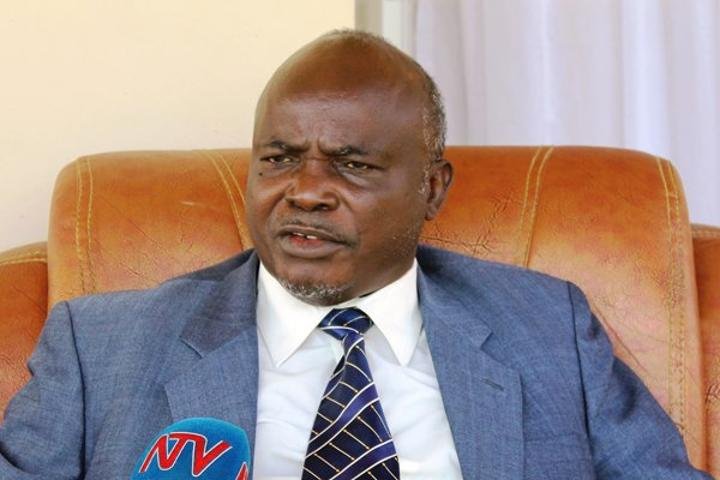
Tooro Kingdom’s leadership transition has taken another dramatic turn after Omukama Edward Rukidi Nyabongo I appointed former Prime Minister Benard Tungwako Ateenyi as the new head of the kingdom’s administration, replacing Calvin Armstrong Rwomiire Akiiki, who resigned amid growing internal divisions and disagreements over the management of kingdom affairs.
The appointment was announced on Monday, November 23, 2026, during an extraordinary meeting of the Tooro Kingdom’s Orukurato (Supreme Council) held at Mucwa, the kingdom’s headquarters in Fort Portal City.
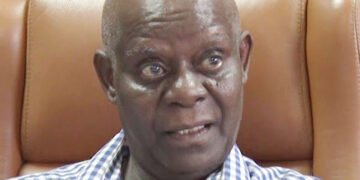
Tungwako returns to the powerful position having previously served as Tooro Kingdom Prime Minister between 2015 and 2022 under the late Omukama Oyo Nyimba Kabamba Iguru IV.
According to NTV Uganda, Omukama Nyabongo said he had undertaken consultations and received advice before settling on Tungwako.
However, the appointment will be presented to the Supreme Council for endorsement before the new Prime Minister can complete the formation of his administration.
Following the council’s endorsement, Tungwako is expected to nominate members of his cabinet for approval before the team is formally presented to the King for a swearing-in ceremony at Karuziika Palace.
Akiiki’s resignation exposes divisions within Tooro
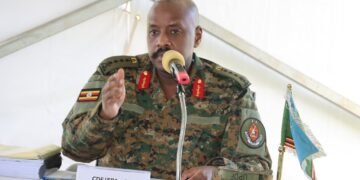
Tungwako’s appointment follows the sudden resignation of Calvin Armstrong Rwomiire Akiiki, who announced on Saturday, November 21, that he had formally stepped down from the position of Omuhikirwa (Prime Minister).
Akiiki’s departure came barely seven weeks after Omukama Nyabongo reappointed him on October 5 to serve as acting Prime Minister for a six-month transitional period following the death of King Oyo.
In his resignation statement, Akiiki cited growing divisions within the kingdom, warning that internal disagreements were threatening the institution’s ability to concentrate on serving its people.
He said he was stepping aside to give Tooro an opportunity to heal, reconcile and move forward.
“Tooro has become increasingly polarised, and I am deeply concerned that the divisions within our Kingdom are diverting attention from our shared responsibility to serve the people,” he stated.
He added that unity, reconciliation and the interests of the kingdom should take precedence over personal ambitions and positions.
His resignation initially appeared to be a decision intended to promote reconciliation. However, details subsequently published by Nile Post revealed deeper disagreements between the outgoing Prime Minister and sections of the kingdom’s leadership.
Cabinet appointments, accountability report at centre of disagreements
In an exclusive report published on November 21, Nile Post revealed that Akiiki’s resignation letter, dated November 20, contained several grievances concerning the administration of the kingdom.
One of his major complaints concerned cabinet appointments which he said had been made following consultations with the Omukama.
Akiiki reportedly expressed disappointment after some of the appointments were reversed without consultation, notification or explanation, arguing that the decisions undermined the credibility and authority of his office.
He also questioned the manner in which his administration’s accountability proceedings were handled before the Supreme Council.
The outgoing Prime Minister reportedly maintained that accountability processes should be fair, informed and objective, expressing concern that the proceedings appeared increasingly aimed at discrediting the previous administration rather than objectively assessing its performance.
Another contentious issue involved a Memorandum of Understanding between Tooro Kingdom and MTN.
According to Nile Post, Akiiki raised concerns about suspected irregularities in the partnership, including questions surrounding individuals allegedly operating outside established institutional structures and the handling of funds intended for grassroots sports development.
He called for an independent review of the agreement, including scrutiny by MTN’s senior leadership.
He also raised concerns about reports that members of the late King Oyo’s family were being asked to vacate land at Bugaki, where the King Oyo Model Farm is located.
Akiiki reportedly argued that any questions regarding ownership, administration or use of the property should be addressed lawfully and in consultation with the late monarch’s family.
These allegations and concerns were presented in Akiiki’s account of events and have not, on the available reporting, been independently established as wrongdoing by the individuals or institutions concerned. Nilepost
The succession crisis that rocked Tooro
The latest leadership changes are rooted in the turbulent transition following the death of Omukama Oyo Nyimba Kabamba Iguru IV on August 27, 2026, aged 34.
Oyo’s death triggered a succession process that eventually resulted in the selection of Prince Edward Kijanangoma, who assumed the royal name Edward Rukidi Nyabongo I.
The new Omukama was endorsed by the kingdom’s Supreme Council on September 15 and formally crowned on September 29, 2026, at Karuziika Palace in Fort Portal.
However, the succession process was preceded by public disagreements involving members of the royal family, the Babiito Royal Clan and the kingdom administration.
One of the most contentious issues concerned Akiiki’s announcement that the late King Oyo had left behind a son who was an heir to the throne.
The announcement was challenged by Omusuuga Charles Kamurasi, head of the Babiito Royal Clan, who questioned the claim and said the royal family had no knowledge of the reported child.
The disagreement contributed to tensions surrounding the succession and the management of the kingdom following Oyo’s death.
Akiiki subsequently acknowledged shortcomings in the way some matters had been handled after the monarch’s death and apologised for mistakes made during that period.
Akiiki had been ordered to account for his administration
The outgoing Prime Minister’s departure also comes against the background of an accountability process initiated by the new Omukama.
During the first opening of the kingdom’s Supreme Council on October 27, Nyabongo directed Akiiki to submit a comprehensive accountability report detailing projects, activities and achievements during the previous administration.
He was reportedly given until November 12 to submit the report, with the Supreme Council expected to scrutinise it and forward recommendations to the King’s office by November 19.
Akiiki subsequently submitted a 42-page accountability report to the Omukama and the Supreme Council, eight days before announcing his resignation.
The report was expected to inform the kingdom’s assessment of the outgoing administration and guide decisions on the way forward.
The accountability process became one of the contentious issues surrounding his departure, particularly given his subsequent complaints about how the proceedings were conducted.
Tungwako returns to an administration facing difficult questions
Tungwako is not a newcomer to Tooro Kingdom’s leadership.
He previously served as Prime Minister from 2015 to 2022 during the reign of Omukama Oyo, giving him experience in managing the kingdom’s administrative and institutional affairs.
Interestingly, his name had already featured in Nyabongo’s initial transitional arrangements.
When the new Omukama announced an 11-member interim advisory committee in October, Tungwako was among those selected to advise the monarch.
The committee brought together prominent figures with experience in government, politics, law, business, agriculture and cultural affairs.
His elevation from the advisory committee to the position of Prime Minister now places him at the centre of efforts to stabilise the kingdom’s administration.
He inherits an institution facing several outstanding challenges, including questions surrounding accountability, cabinet appointments, institutional relationships, development programmes and reconciliation among kingdom leaders.
The new Prime Minister will also be expected to restore confidence in the kingdom’s administrative structures and ensure continuity of programmes initiated under the previous administration.
Omukama Nyabongo has called upon members of the Supreme Council to embrace unity and work collectively for the progress of the kingdom.
With Akiiki now out of office and Tungwako returning to the helm, attention will be on whether the new administration can resolve the disagreements that have overshadowed Tooro’s transition following the death of King Oyo.