
Bank of Uganda (BoU) Governor Dr Michael Atingi-Ego has warned Parliament against excessive domestic borrowing, saying an aggressive borrowing programme could drive up interest rates and squeeze private businesses out of the credit market.
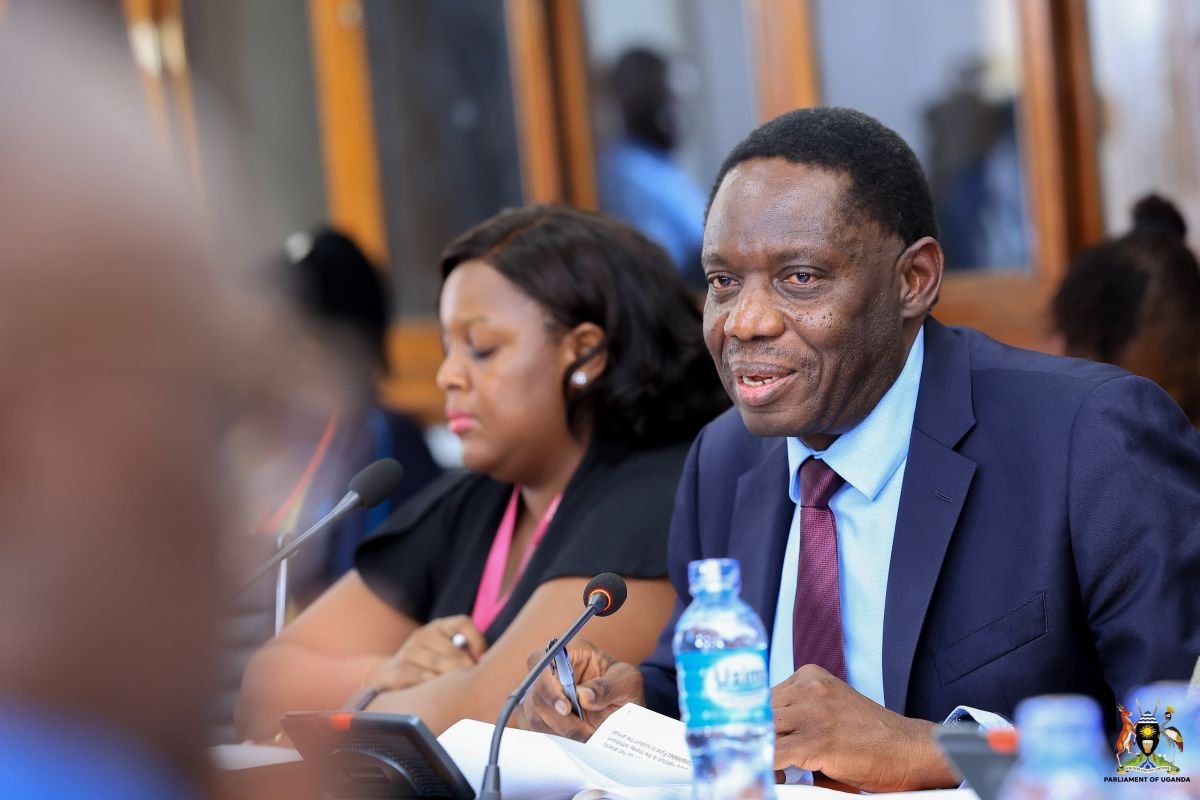
Atingi-Ego made the warning while appearing before Parliament’s Budget Committee, chaired by Hon Gabriel Okumu, where he addressed concerns surrounding Government’s domestic financing plans for the 2026/27 financial year.
According to the Governor, Uganda’s domestic financial market has the capacity to absorb the planned Shs12.7 trillion in borrowing, but the situation could become problematic if Government exceeds the projected amount.
The warning comes amid growing pressure on Uganda’s budget and public debt obligations. Parliament approved an Shs84.3 trillion budget for FY2026/27, with about Shs11.97 trillion expected to come from domestic borrowing and another Shs13.97 trillion earmarked for refinancing maturing domestic debt.
Private-sector credit growing
Atingi-Ego told MPs that private-sector credit had nevertheless continued to expand, recording 16.1% year-on-year growth by June 2026.
He cautioned that maintaining access to affordable credit for businesses should remain a key consideration as Government determines how much money to raise from the domestic market.
The concern is that when Government borrows heavily from the same pool of funds available to banks and investors, financing conditions can tighten, potentially putting upward pressure on borrowing costs for businesses and households.
BoU has previously highlighted the importance of maintaining credit access to support private investment and economic activity. Its lending surveys have also continued to monitor developments in credit demand and lending conditions across households and enterprises.
MPs urged to restrain borrowing
Budget Committee Chairperson Gabriel Okumu separately called on Parliament’s Budget and National Economy committees to scrutinise Government borrowing more closely and discourage excessive reliance on domestic financing.
The call reflects growing concern within Parliament over the amount of public resources being committed to debt-related obligations.
Parliament’s approved 2026/27 budget projects about Shs33.4 trillion for debt servicing, with interest payments alone estimated at approximately Shs12.4 trillion. Parliament has noted that domestic borrowing is a major driver of interest costs.
BoU wants debt strategy reviewed
Atingi-Ego also called for Uganda’s fiscal debt path to be revisited, particularly in relation to the 2026/27 financial year.
He argued that projections contained in the Charter for Fiscal Responsibility could become difficult to achieve if the debt base used in making those projections does not correspond with the country’s current debt position.
The Governor and other central bank officials proposed that risks to Uganda’s debt trajectory should be assessed annually, rather than being treated as a static medium-term issue.
They further recommended that the Charter should require Government to provide annual reporting on its domestic financing strategy and clearly indicate how such borrowing affects the availability of credit to the private sector.
Debt pressure intensifies
The warning comes as Uganda attempts to balance infrastructure and development spending with rising debt-servicing obligations.
Parliament has previously raised concerns over the sustainability of public finances and the need to ensure that borrowing translates into productive investment rather than placing excessive pressure on future budgets.
The Government, meanwhile, has defended domestic borrowing as one component of a broader financing strategy for the national budget, alongside domestic revenue, external financing and debt refinancing.
Atingi-Ego’s intervention puts the availability of private-sector credit at the centre of the borrowing debate, with the central bank effectively urging policymakers to weigh the immediate financing needs of Government against the potential effects of heavier borrowing on businesses seeking loans.
The proposed annual review of the debt path and domestic financing strategy would also give Parliament a more regular mechanism for assessing whether Government borrowing is consistent with fiscal sustainability targets and the needs of the wider economy.