

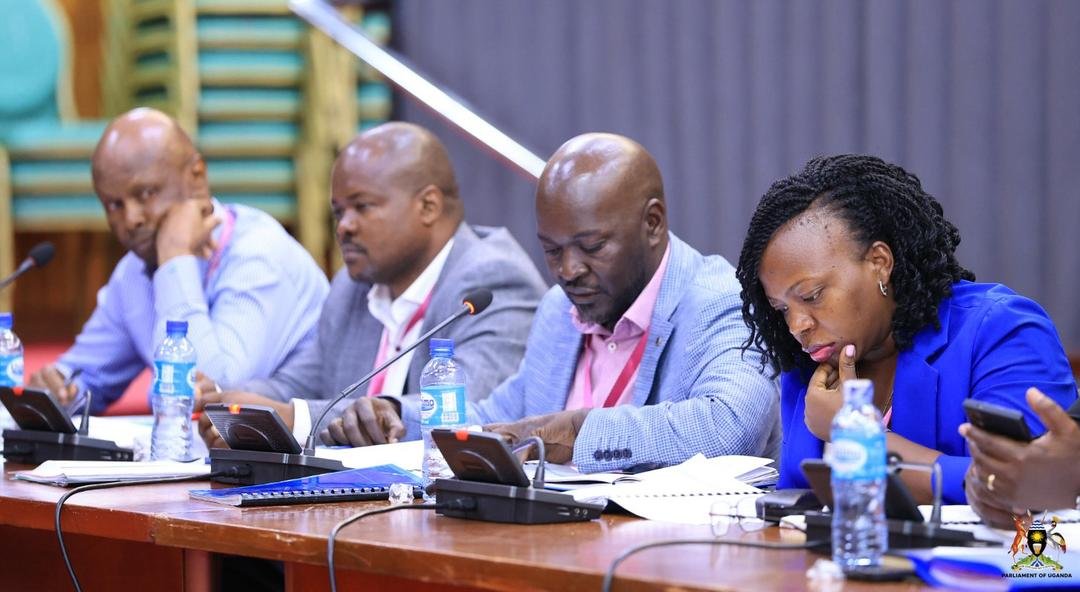
The Parliamentary Committee on Commissions, Statutory Authorities and State Enterprises (COSASE) has raised serious concerns over 136 court cases facing the Uganda Electricity Transmission Company Limited (UETCL), carrying a combined contingent liability of Shs777 billion.
The committee, chaired by Hon. Nkunyingi Muwada, made the concern while scrutinising the Auditor General’s report for the financial year 2024/2025 together with UETCL officials.
At the centre of the MPs’ concern is the potential financial exposure the cases could create for the electricity transmission company and, ultimately, the Government.
Of the Shs777 billion in contingent liabilities, approximately Shs500 billion is linked to a dispute involving Umeme, which is currently before a court in London.
The dispute comes against the backdrop of the contentious transition from Umeme’s electricity distribution concession to government control in 2025. The matter has already generated significant legal and financial disagreements between the former distributor and government entities. Previous reports have put the disputed figures in the hundreds of billions of shillings.
COSASE members warned that should UETCL lose a significant number of the cases, the resulting payouts could place enormous pressure on the company’s finances and expose taxpayers to additional costs.
The MPs were particularly concerned that some of the disputes appear to stem from land acquisition, contract management and administrative shortcomings—areas where stronger internal controls could potentially have prevented or reduced litigation.
The committee said the sheer number and value of the cases raise questions about how UETCL manages contracts, acquires land for electricity infrastructure and handles administrative decisions.
The legal exposure comes at a time when UETCL is expected to play a central role in expanding and strengthening Uganda’s electricity transmission network to support industrialisation and increased electricity demand.
Parliament’s concern is therefore not only about the legal costs themselves but also the possibility that money that should be directed towards electricity infrastructure and service delivery could instead be diverted towards settling court awards and legal obligations.
The Umeme dispute has already become one of the most significant legal battles surrounding Uganda’s electricity sector. In November 2025, the Public Procurement and Disposal of Public Assets Appeals Tribunal ordered UETCL to re-evaluate bids for legal representation in a dispute associated with the Umeme matter, highlighting the complexity and high financial stakes surrounding the case.
COSASE is now expected to scrutinise the individual cases and the circumstances that led to the liabilities, with MPs seeking greater accountability from UETCL management.
The committee’s intervention underscores a broader concern over contingent liabilities in government entities: although they may not immediately appear as expenditure, successful claims against state-owned companies can ultimately become a burden on public finances.
For UETCL, the Shs777 billion exposure represents a major financial risk, particularly if the company is required to meet substantial court awards while simultaneously financing critical electricity transmission projects.
The committee has consequently urged greater attention to contract compliance, land acquisition procedures, legal risk management and administrative controls to prevent avoidable disputes from turning into costly liabilities for the state.