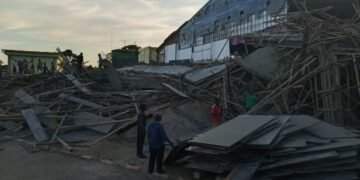

A UGX 29 billion bridge construction project in Eastern Uganda has come under scrutiny after Members of Parliament raised serious concerns over the quality of works and safety standards at several project sites.
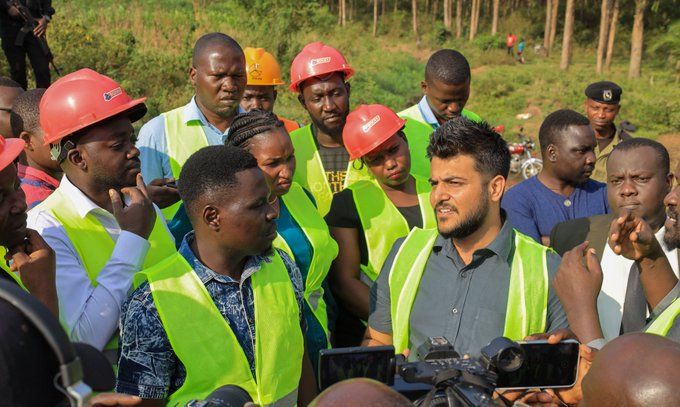
The concerns emerged on August 21 when Parliament’s Committee on Government Assurances and Implementation, led by Hon. Francis Zaake, inspected ongoing bridge construction works in the region.
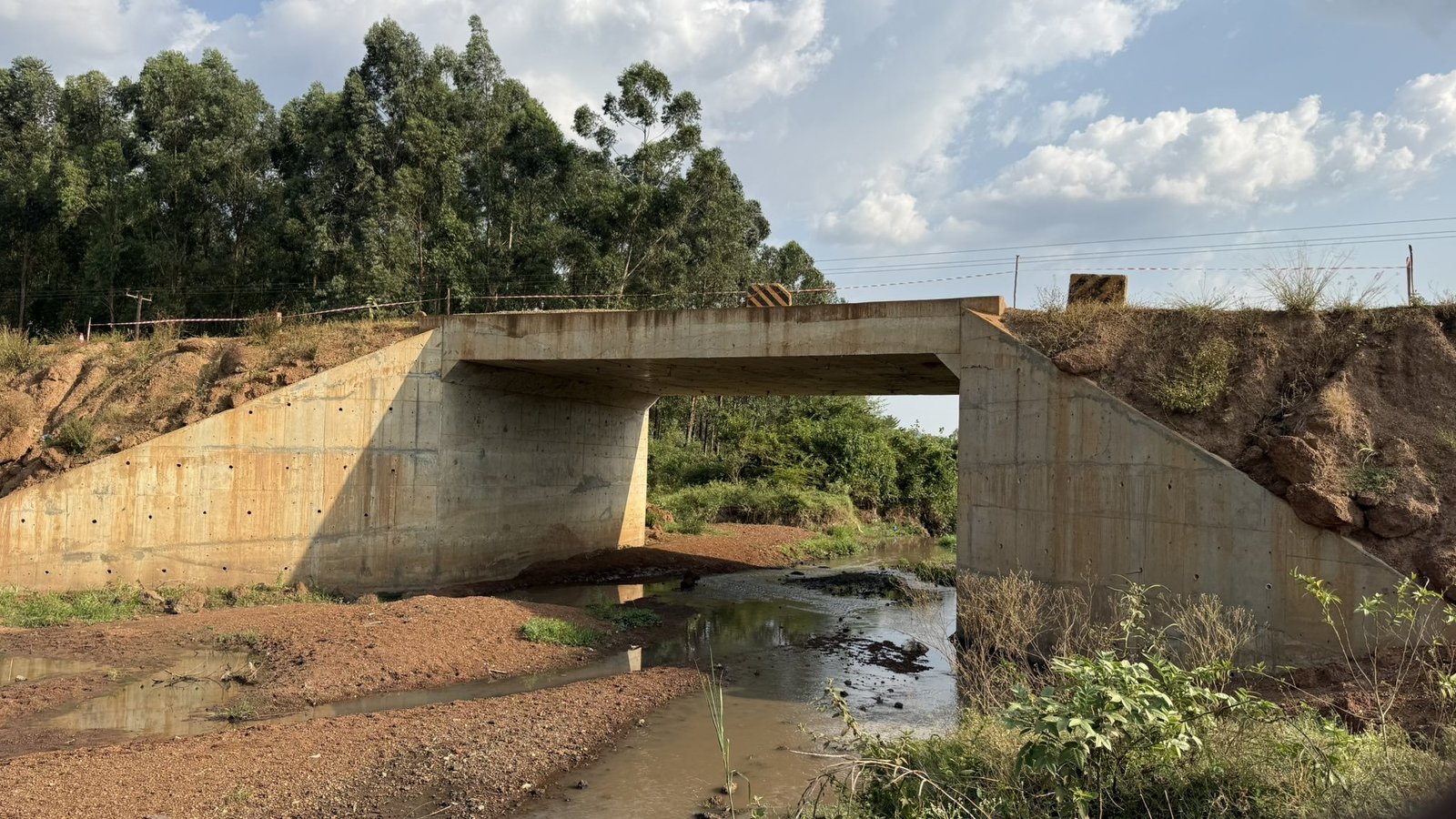
The committee visited Rubongi Bridge in Tororo and inspected works on Nabukhuya, Nambola, Nametsimeru, Tsakhana and Khamitsaru bridges along the Kufu–Lwakhakha Road.
Although the contractor reported that the project had reached 79 percent completion, MPs said the physical works they inspected revealed flaws and cases of what they described as shoddy workmanship, prompting calls for immediate corrective action.
The committee is understood to have questioned whether the reported progress adequately reflects the quality and durability of the structures being constructed, particularly given the importance of the bridges to communities and road users in the region.
At Rubongi Bridge, MPs also raised concerns about the contractor’s failure to observe basic health and safety precautions, exposing workers and other people at the construction site to unnecessary risks.
The safety concerns add another layer to the committee’s scrutiny of the project, with MPs expected to demand that the contractor address the identified shortcomings before the works proceed further.
The committee’s inspection comes amid growing pressure for government-funded infrastructure projects to meet required standards and deliver value for taxpayers’ money.
With UGX 29 billion committed to the bridge works, the committee’s concerns could trigger closer monitoring of the project, particularly as construction approaches completion.
The MPs have called for the identified defects and workmanship problems to be urgently rectified, raising questions about the level of supervision and quality control exercised during the construction process.
The committee’s findings are likely to put additional pressure on the responsible agencies and contractor to demonstrate that the bridges will be safe, durable and capable of serving the communities along the Kufu–Lwakhakha corridor.
The inspection also highlights the risks of declaring infrastructure projects substantially complete when significant defects and safety violations remain unresolved.
For residents and road users who depend on the bridges, the immediate concern is whether the government will ensure that the reported defects are fixed before the structures are handed over for public use.