

Government has stepped up its call for tighter budget discipline across public institutions, warning accounting officers and other senior officials to ensure that every shilling allocated to government programmes is properly planned, spent and accounted for.
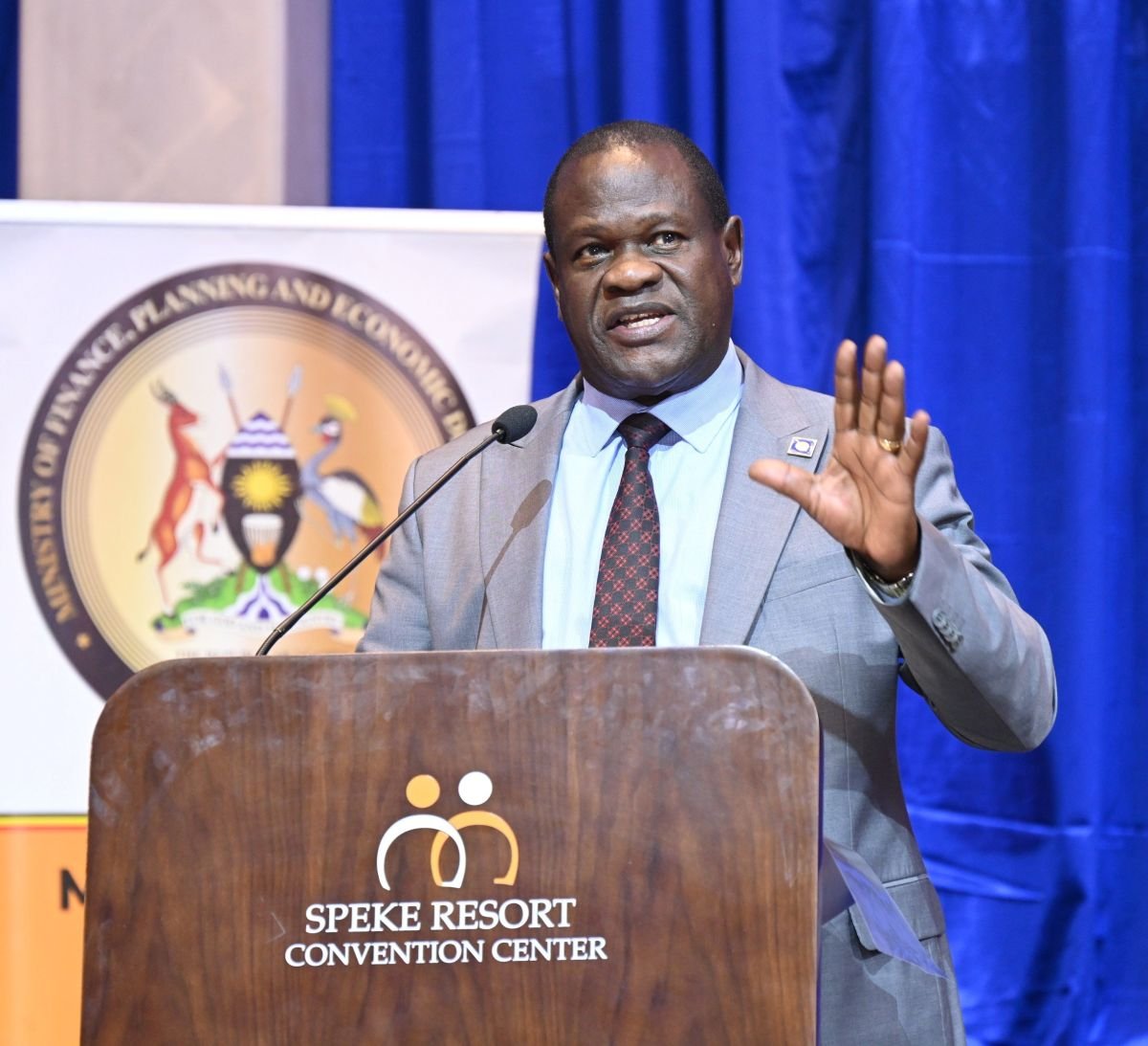
Deputy Secretary to the Treasury Patrick Ocailap, representing the Permanent Secretary and Secretary to the Treasury, Ramathan Ggoobi, made the call during a meeting with Heads of Planning, Accounts and Procurement from government institutions.
Ocailap said the financial management reforms are intended to ensure that public resources are directed towards national priorities and programmes capable of accelerating Uganda’s socio-economic transformation and improving service delivery.
He said the Financial Year 2026/27 budget has placed greater emphasis on fiscal discipline, requiring government entities to align their spending with approved priorities instead of committing resources to activities that do not directly contribute to national development objectives.
The Treasury official stressed the need for stronger coordination among planning, accounting and procurement departments to prevent waste and ensure that budgets are implemented according to approved plans.
The meeting comes amid growing government efforts to strengthen public financial management and ensure that limited public resources generate measurable results.
According to Ocailap, government is also tightening the public procurement system through the electronic government procurement system, commonly known as eGP.
The digital procurement platform is being strengthened as part of efforts to reduce corruption and weaknesses associated with the traditional procurement process.
Ocailap said digitising procurement would help government improve transparency and accountability by creating a more traceable procurement cycle and reducing opportunities for manipulation.
He said the reforms are expected to address corruption tendencies in procurement while improving efficiency and value for money in government expenditure.
Looking ahead to the Financial Year 2027/28, Ocailap said the government’s approach would become even more focused on ensuring that expenditure is affordable, strategically targeted and capable of delivering tangible results.
“For FY2027/28, the focus will be on affordability, national priorities, completion of viable projects, value for money and end-to-end accountability,” Ocailap said.
The emphasis on completing viable projects signals a shift away from spreading government resources across numerous projects, some of which remain incomplete for years because of inadequate funding.
Under the approach, government entities are expected to prioritise projects that are financially viable, aligned with national development priorities and capable of delivering meaningful benefits to citizens.
Ocailap’s message also places greater responsibility on officials involved at every stage of the budget cycle, from planning and procurement to accounting and implementation.
The Treasury expects government institutions to demonstrate stronger accountability for public funds and ensure that approved budgets translate into actual services and infrastructure rather than unspent balances, delayed projects or expenditure that cannot be adequately justified.
The push for fiscal discipline is part of the wider government agenda to improve the effectiveness of public spending as Uganda seeks to accelerate economic transformation while operating within increasingly tight fiscal constraints.
With procurement accounting for a significant share of government expenditure, the increased reliance on eGP is expected to make it easier to monitor procurement transactions and strengthen oversight.
The Treasury has therefore placed the planning, accounting and procurement functions at the centre of efforts to improve budget execution, with officials expected to work together rather than operate as isolated departments.
Ocailap urged the government officials to ensure that resources are not only spent within approved budgets but also produce value for Ugandans.
The message effectively places public institutions on notice that future budgets will be judged not simply by how much money is allocated or spent, but by whether the expenditure is affordable, aligned with national priorities, delivers value for money and can be fully accounted for from the point of allocation to the final outcome.
The reforms are expected to shape preparations for the 2027/28 budget as government seeks to strengthen expenditure controls, curb procurement-related corruption and ensure that public money is channelled towards programmes with the greatest potential to improve service delivery and drive economic transformation.