
KAMPALA — Uganda and the Russian Federation have reaffirmed their longstanding diplomatic and strategic partnership ahead of the Third Russia–Africa Summit scheduled for October this year in Moscow, signaling a renewed push to deepen cooperation in trade, education, technology, and global security matters.
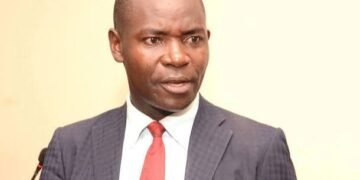
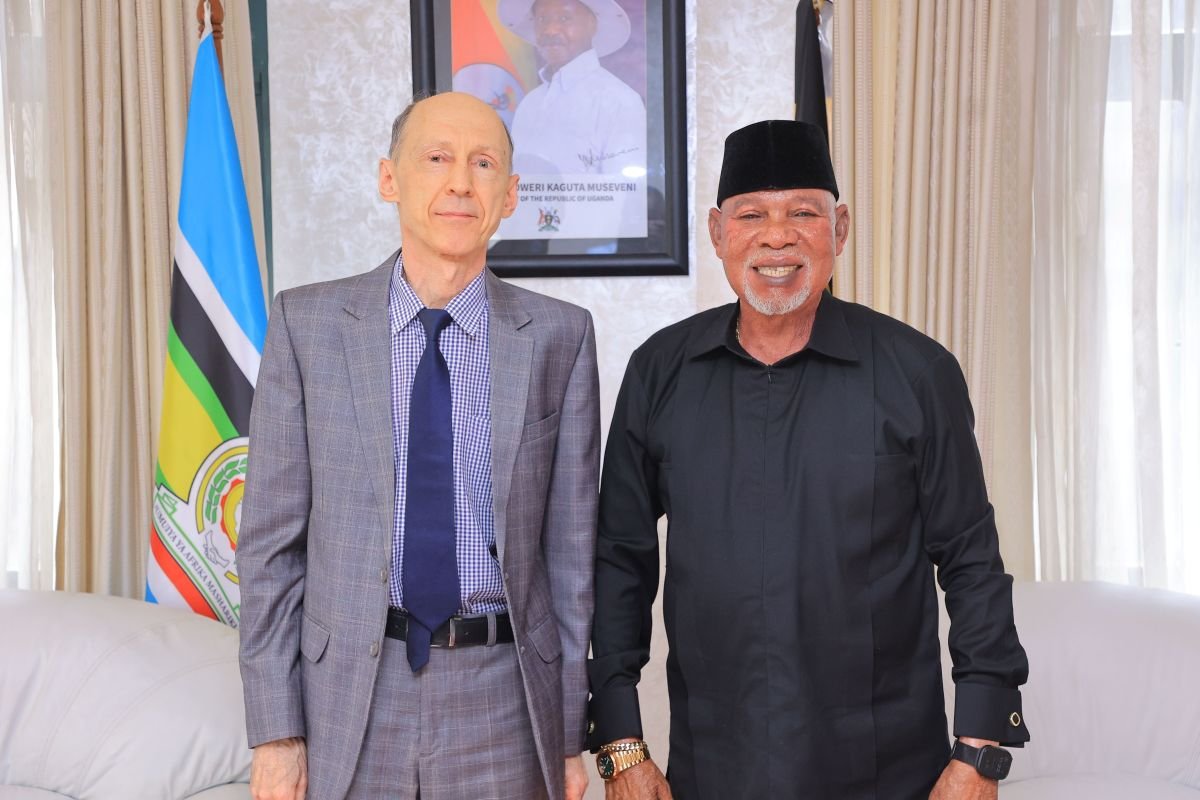
The renewed commitment emerged during a bilateral meeting held in Kampala on Thursday between Uganda’s Minister of Foreign Affairs, Jeje Odongo Abubakhar, and Russia’s Chargé d’Affaires to Uganda, Sergey Lobanov.
During the meeting, the Russian Federation formally delivered an invitation to Uganda to participate in the Third Russia–Africa Summit, which will take place in Moscow from October 28 to 29, 2026.
The summit is expected to bring together African heads of state, ministers, business leaders, and policymakers to strengthen political and economic engagement between Russia and African nations at a time of shifting global alliances and growing competition for influence on the continent.
Uganda’s participation in the summit is likely to reinforce Kampala’s long-held policy of maintaining strategic relations with a wide range of global partners, including Russia, China, the European Union, and the United States.
Officials from both sides described the meeting as a reflection of the “warm and longstanding relations” that have existed between Uganda and Russia for decades, dating back to the Soviet era when Moscow supported educational and technical training opportunities for many African countries, including Uganda.
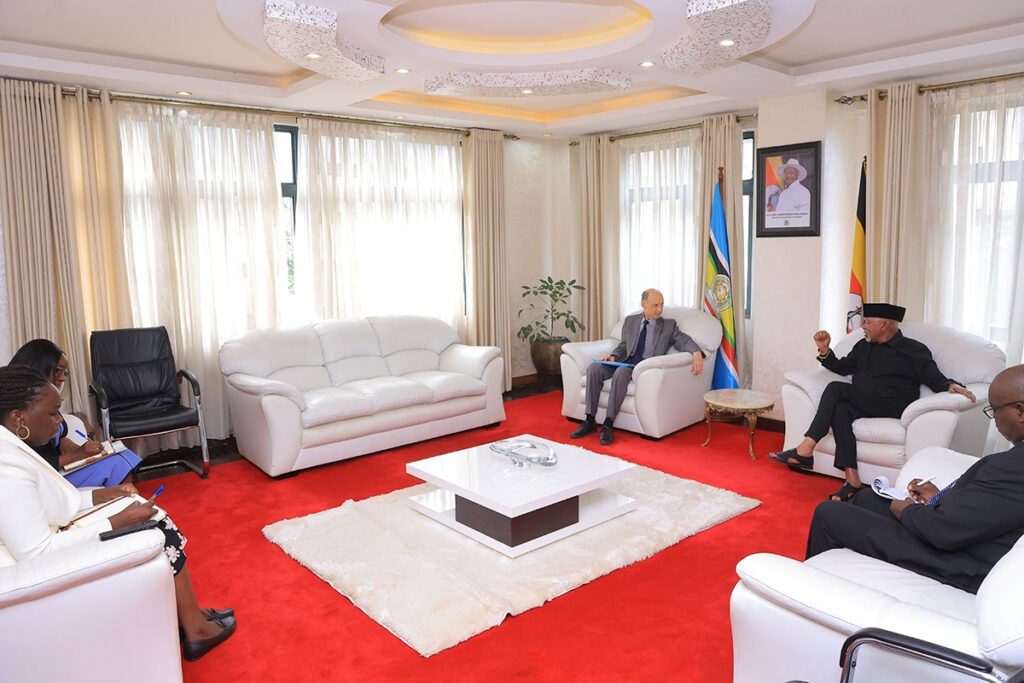
The discussions focused on expanding bilateral cooperation in key strategic sectors such as trade, investment, technology transfer, energy, education, and security cooperation.
Diplomatic sources indicated that the upcoming summit could open new avenues for Ugandan exports, industrial partnerships, and scientific collaboration as Russia seeks to strengthen its economic footprint in Africa amid growing geopolitical realignments.
Education emerged as one of the central pillars of the discussions after the Russian side acknowledged Uganda’s request for an increase in scholarship opportunities for Ugandan students for the 2026–2027 academic year.
The request is part of broader efforts by both governments to strengthen higher education cooperation, academic exchange, and skills development, particularly in technical and scientific disciplines where Russia has historically played a significant role in training African professionals.
Over the years, hundreds of Ugandan students have benefited from Russian government scholarships in fields such as medicine, engineering, agriculture, information technology, and military sciences.
Ugandan officials view the expansion of scholarship opportunities as critical to developing a skilled workforce capable of supporting the country’s industrialization agenda.
The two sides also reaffirmed their commitment to sustained diplomatic engagement and cooperation on regional and international peace and security matters.
Uganda and Russia have in recent years maintained close cooperation within multilateral forums, with Kampala often advocating for non-alignment and dialogue-driven diplomacy in international affairs.
Analysts say the strengthening Uganda–Russia relationship comes at a time when African nations are increasingly seeking diversified partnerships that provide investment, infrastructure, technology, and educational opportunities without excessive political conditionalities.
For Uganda, closer ties with Russia are also expected to complement existing cooperation in defense, agriculture, energy development, and mineral exploration.
The meeting concluded with both parties expressing optimism about the future of bilateral relations and reaffirming their commitment to deepening cooperation for the mutual benefit of the peoples and governments of Uganda and the Russian Federation.
The Third Russia–Africa Summit is expected to build on resolutions adopted during previous summits held in Sochi in 2019 and St. Petersburg in 2023, where African states and Russia agreed to strengthen economic, political, and security partnerships amid evolving global dynamics.