
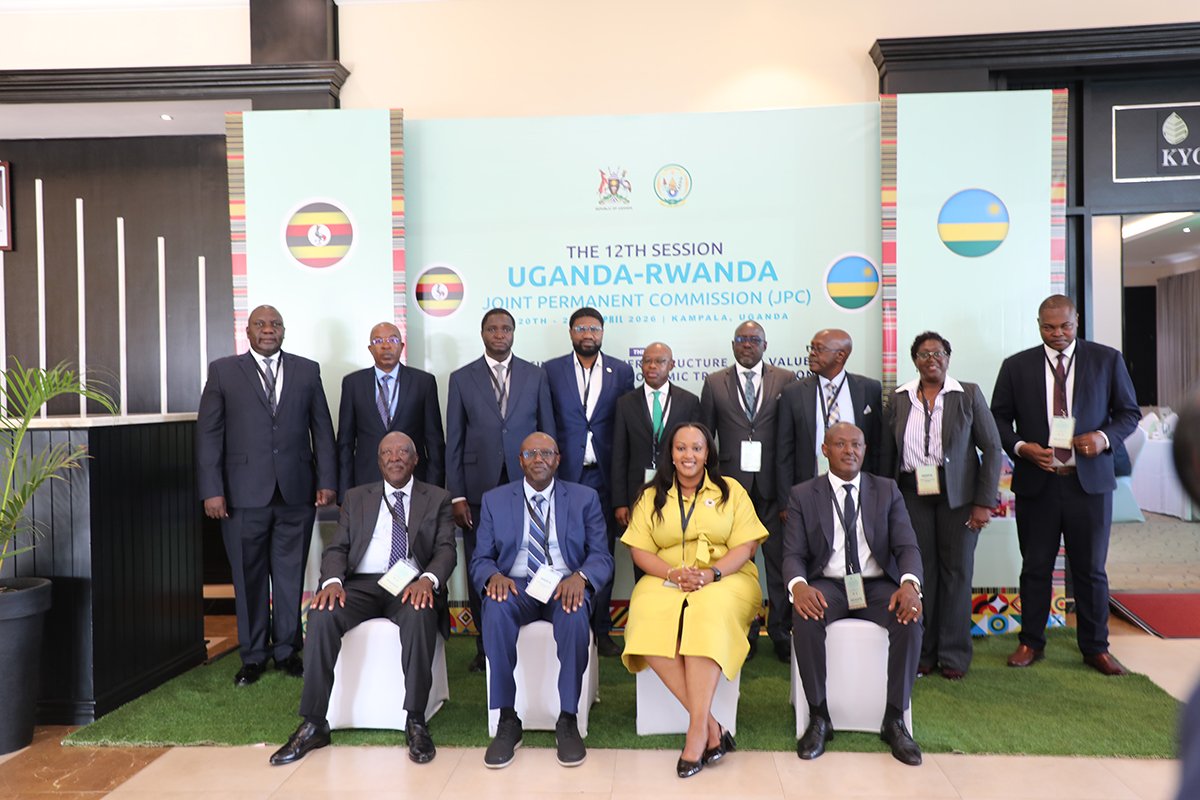
Uganda and Rwanda have reaffirmed their commitment to strengthening bilateral ties and accelerating regional integration as senior officials from both countries convened in Kampala for the 12th Session of the Joint Permanent Commission (JPC), a key diplomatic platform guiding cooperation between the two neighbours.
The three-day session, running from April 20 to 22, 2026, brings together high-level delegations from both governments to review progress made since the last meeting in Kigali in March 2023 and to chart a path forward across a wide range of strategic sectors, including trade, security, infrastructure, and technology.
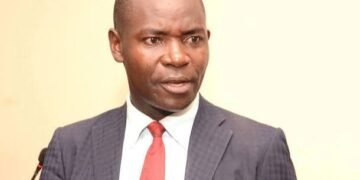
Opening the session, Uganda’s delegation, led by Ambassador Richard T. Kabonero, welcomed Rwandan officials and emphasized the enduring historical, cultural, and geographical ties binding the two countries. He described the JPC as a vital framework that has continued to sustain cooperation even during periods when formal meetings were not held.
“The Joint Permanent Commission is the cornerstone of our bilateral engagement. Even in its absence over the past three years, our countries have continued to collaborate in critical areas such as defence, energy, infrastructure, and regional integration,” Kabonero noted.
He commended the High Commissioners of both countries for maintaining diplomatic momentum and fostering cooperation despite emerging regional and global challenges.
Kabonero also used the occasion to highlight shared challenges facing both nations, including pandemics, zoonotic diseases, climate change, cybercrime, and transnational trafficking. He described these as “problems without passports,” requiring coordinated and innovative responses.
“At the same time, we must seize new opportunities in science, innovation, technology, and aviation to drive transformation and deliver tangible benefits to our people,” he added, urging delegates to ensure that deliberations result in actionable outcomes.
In a show of solidarity, Uganda joined Rwanda in commemorating victims of the 1994 genocide against the Tutsi, marking 32 years since the tragedy. A moment of silence was observed during the opening ceremony.
On the Rwandan side, Teta Gisa, Director General for Africa at Rwanda’s Ministry of Foreign Affairs and International Cooperation, expressed appreciation for Uganda’s hospitality and reaffirmed Kigali’s commitment to deepening bilateral cooperation.
“It is a distinct honour to co-chair this session and to participate in a process that reflects the strong political will and high expectations of our leadership to further strengthen cooperation between our two sister countries,” she said.
Gisa emphasized that the JPC serves as a structured platform for reviewing progress and aligning priorities across key sectors. She outlined that discussions would cover political and diplomatic relations, trade and customs, defence and security, immigration, justice, infrastructure, energy, aviation, and information and communication technology under the Northern Corridor Integration Projects framework.
She added that the session would also explore expanding cooperation into new and critical areas such as health, education, agriculture, correctional services, and local government.
“This meeting is not only about reviewing what has been achieved, but also about generating tangible and implementable outcomes that respond to the aspirations of our citizens,” Gisa said. “Our cooperation must translate into improved livelihoods, enhanced regional integration, and sustained socio-economic transformation.”
The JPC comes at a time when both countries are seeking to consolidate gains made in restoring relations and boosting cross-border cooperation. In recent years, Uganda and Rwanda have taken deliberate steps to rebuild trust, reopen borders, and enhance trade and movement of people.
Analysts view the current session as a critical opportunity to solidify those gains and address lingering bottlenecks affecting bilateral engagement, particularly in trade facilitation, security coordination, and infrastructure connectivity.
Participants at the senior officials’ session have been urged to engage in open, constructive, and solution-oriented dialogue, laying the groundwork for decisions to be adopted at subsequent Permanent Secretaries’ and Ministerial meetings.
Observers note that the emphasis on practical outcomes signals a shift towards more results-driven diplomacy, with both governments keen to ensure that agreements reached translate into real benefits for citizens on both sides of the border.
As deliberations continue in Kampala, expectations remain high that the 12th JPC will produce concrete resolutions aimed at strengthening cooperation, boosting economic ties, and reinforcing the shared vision of regional integration under frameworks such as the Northern Corridor.
The session is also expected to reinforce diplomatic goodwill and further normalize relations, setting the stage for sustained collaboration between Uganda and Rwanda in the years ahead.