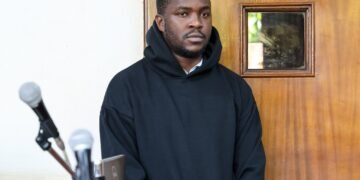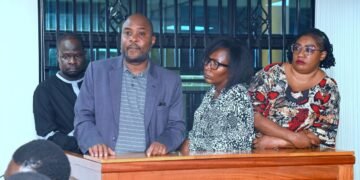

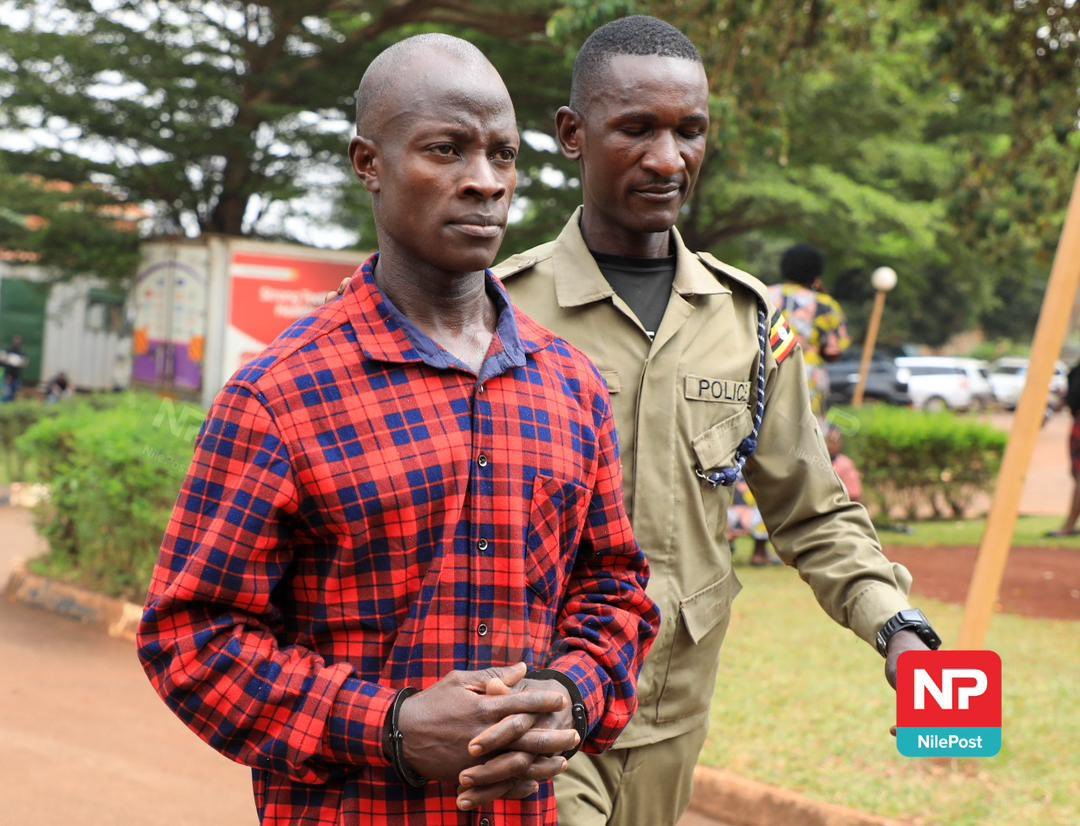
A man identified as Henry Bbosa, also known by the aliases General Tiger and Musege, has been formally charged in court with hate speech and incitement to violence after allegedly using social media to promote hostility against specific ethnic communities and supporters of the ruling party.
Bbosa, 35, was arraigned at the Nakawa Chief Magistrates’ Court in Kampala on Friday. Prosecutors allege that he used his TikTok account (@tiga46uu) to publish videos and statements that could “promote hostility” against people from the Banyarwanda and Banyankore communities — groups that are among Uganda’s many ethnic identities.
According to court documents, the posts did not only target communities but also included messages that were interpreted as calls to violence against supporters of the National Resistance Movement (NRM) political party.
Some clips reportedly urged viewers to arm themselves with pangas, tyres, and matchboxes and to “kill, burn, maim, and physically assault” political opponents — conduct prosecutors say crosses the line from protected speech into criminal incitement.
Authorities say Bbosa’s TikTok presence became notorious during the presidential election campaigns, drawing criticism for content that allegedly labelled the targeted ethnic groups as “enablers of the ruling regime.” Security operatives traced and arrested him on January 26, 2026, following investigations into a surge in alleged online hate speech linked to TikTok accounts.
He faces charges under Uganda’s Computer Misuse Act for hate speech, which criminalizes sharing information online that can degrade, demean or promote hostility against individuals or groups, and under the Penal Code Act for incitement to violence. Both offenses carry potential prison sentences if the court convicts him.
The case comes amid heightened scrutiny of Uganda’s approach to online expression. In recent years, authorities have regularly arrested social media users — particularly TikTok creators — for content deemed insulting to public figures or harmful to social cohesion. Human rights groups have raised concerns that such prosecutions can chill free speech and disproportionately target critics ahead of key political events.
Magistrates in the Nakawa court will now hear the prosecution’s evidence and Bbosa’s defence. Lawyers for Bbosa have not yet publicly commented, and it remains unclear when his next hearing will be scheduled.