
The Tooro Kingdom has set September 29, 2026, as the date for the coronation of Prince Edward Rukidi Kijanangoma Nyabongo I, deepening a succession saga that has rocked the kingdom since the death of Omukama Oyo Nyimba Kabamba Iguru Rukidi IV.
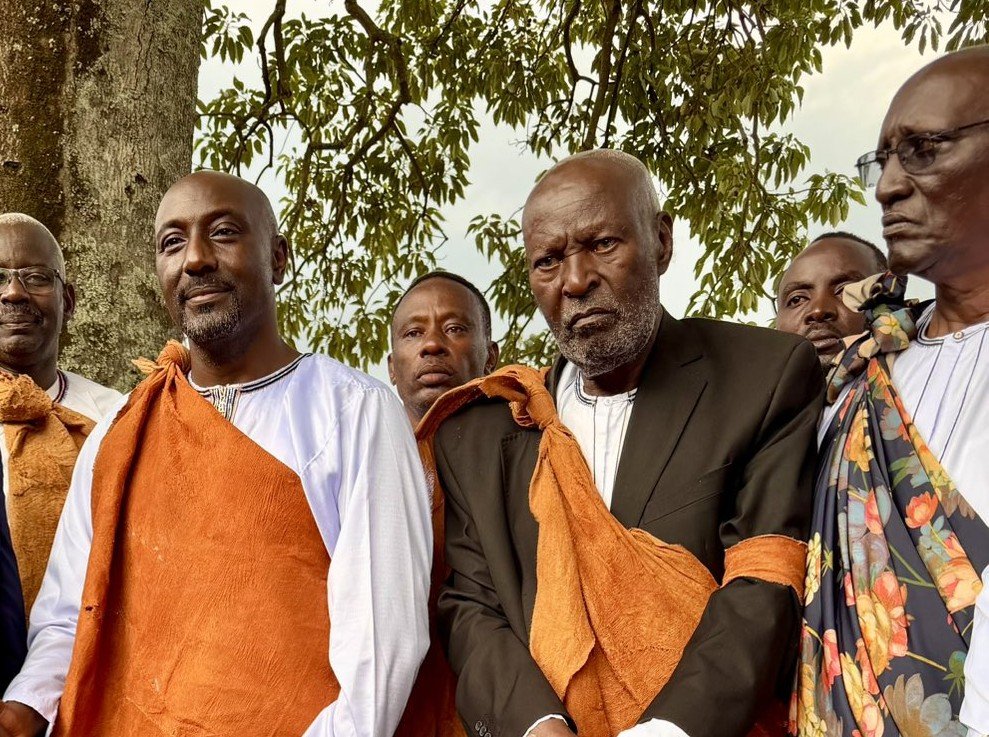
The announcement was made on Tuesday by Omusuuga Charles Kamurasi Akiiki, the head of the Babiito royal clan, following a sitting of the Tooro Kingdom Supreme Council in Fort Portal.
The Supreme Council endorsed the Babiito royal clan’s decision to designate Kijanangoma as Oyo’s successor before Kamurasi announced September 29 as the coronation date.
The ceremony is expected to take place at Karuziika Palace in Fort Portal.
“Today morning we had the Kingdom Supreme Council and it endorsed Nyabongo I, and now as Babiito royal clan, we have decided the date of coronation to be September 29, 2026, here at the palace,” Kamurasi said, according to the report.
Preparations for the coronation are expected to begin immediately, with committees being constituted to organise the ceremony.
But the planned coronation comes against the backdrop of one of the most contentious royal succession disputes in recent Tooro history.
Oyo’s death opens succession battle
King Oyo died on August 27, 2026, aged 34, while receiving cancer treatment in the United States.
Oyo ascended the Tooro throne in 1995 at just three years old following the death of his father, becoming internationally known as the world’s youngest reigning monarch at the time.
His death immediately raised questions about the succession.
In the first days after his death, Tooro Prime Minister Calvin Armstrong Rwomiire announced that the Crown was secure, saying the late king had left behind a Prince who would inherit the throne. The identity of the alleged heir, however, was not immediately disclosed.
The statement became the first major fault line in the succession controversy.
While members of the late king’s family maintained that Oyo had left a biological son, the Babiito leadership said it had no confirmed knowledge of a son who could immediately take over the throne.
The first twist: George Desmond Kamurasi
As consultations intensified, reports emerged on September 4 that Prince George Desmond Kamurasi, a grandson of former Omukama Sir George David Rukidi Kamurasi III and a cousin of the late Oyo, had been selected by members of the royal succession process.
Reports indicated that Kamurasi had secured overwhelming support in an internal selection process.
However, that choice did not culminate in a formal coronation.
The succession process subsequently shifted towards Prince Edward Rukidi Kijanangoma, another member of the Babiito royal lineage.
Kijanangoma emerges
The Babiito Royal Succession Committee, a 21-member body, eventually settled on Kijanangoma after consultations and assessment of potential candidates.
According to accounts of the process, the committee considered factors including leadership ability, education, experience and knowledge of Tooro culture, customs and traditions.
Kijanangoma, a former Uganda Broadcasting Corporation journalist, is the son of the late Prince Christopher Paul Kijanangoma and grandson of Omukama Sir George David Rukidi Kamurasi III.
On September 12, Babiito clan chief Charles Kamurasi publicly maintained that Kijanangoma had been selected as the new king during the funeral ceremonies for Oyo.
The move, however, triggered a fierce backlash from sections of the royal family.
Princesses reject Kijanangoma
Princess Ruth Komuntale, Oyo’s sister, and Princess Elizabeth Bagaya rejected the declaration of Kijanangoma as successor.
They argued that the succession process had not been properly concluded and pointed to a 2022 Will reportedly left by King Oyo.
According to reporting on the dispute, the Will allegedly provides that if Oyo had a recognised biological son, that son should succeed him. It reportedly also contains provisions identifying alternative successors if the son could not assume the throne.
The identity and status of the alleged son have become central to the dispute.
The Babiito leadership has challenged those advancing the claim to produce evidence of the heir, while members of Oyo’s immediate family have maintained that the late king’s wishes should be respected.
Reuters reported that Oyo had not publicly acknowledged a child during his lifetime and that the dispute over the alleged son had become one of the central issues in the succession crisis.
Queen Mother joins the dispute
The dispute escalated further when Queen Mother Best Kemigisa rejected Kijanangoma’s selection.
Her opposition placed the Babiito succession process in direct conflict with members of Oyo’s immediate family, turning what initially appeared to be a customary succession exercise into a broader contest over the interpretation of Tooro’s traditions, the late king’s wishes and the authority of the royal clan.
Two of Omusuuga Charles Kamurasi’s own sons have also publicly broken ranks with their father over the succession, further exposing divisions within the royal establishment.
Government steps in
The escalating dispute prompted government intervention.
President Yoweri Museveni sent former security chief Gen Henry Tumukunde, who also oversees cultural institutions, to Fort Portal amid the uncertainty.
Government officials urged the competing camps to avoid speculation and follow the procedures provided under the Institution of Traditional or Cultural Leaders Act, 2011.
Section 15 of the Act provides for disputes within traditional or cultural institutions to first be handled through the relevant traditional dispute-resolution structures, including councils of elders or clan leaders, before court intervention where necessary.
This legal framework has become increasingly important as the royal family weighs whether to challenge the succession process.
Supreme Council backs Kijanangoma
The latest development came on September 15, when the Tooro Kingdom Supreme Council endorsed the Babiito Royal Clan’s selection of Kijanangoma.
The council passed a resolution supporting his designation as the next Omukama and formally recognised him as Prince Edward Rukidi Nyabongo I. Members signed the resolution following discussions on the succession.
The endorsement effectively strengthened the institutional backing behind Kijanangoma’s claim to the throne.
Hours later, Kamurasi announced the September 29 coronation date.
Legal questions remain
Despite the preparations for the coronation, questions surrounding the succession have not disappeared.
Legal experts cited by Daily Monitor have disagreed over the interaction between Tooro custom, the late king’s reported Will and Uganda’s legal framework governing traditional institutions.
The suspended 1999 Tooro Kingdom Constitution reportedly gave the Omukama the right to nominate a successor, while Article 246 of Uganda’s 1995 Constitution recognises traditional and cultural leaders but leaves succession largely to the customs and traditions of the relevant community.
The reported 2022 Will has therefore become a critical document in the dispute, although lawyers cited in the reporting have raised separate questions about its authenticity, legal validity and whether a private Will can determine succession to a traditional office.
September 29 now looms
With the Supreme Council behind Kijanangoma and the Babiito leadership setting September 29 for his coronation, the Tooro succession process has entered a decisive phase.
Yet the planned ceremony does not by itself erase the competing claims from members of Oyo’s immediate family.
The central questions remain whether the late king’s alleged son exists and qualifies as heir, what legal and customary authority the reported Will carries, and whether the Babiito royal clan’s selection process supersedes the late monarch’s reported wishes.
For now, the Babiito leadership and Supreme Council are proceeding with preparations for the coronation of Edward Rukidi Kijanangoma Nyabongo I at Karuziika Palace.
The September 29 ceremony is therefore set to become more than a coronation: it will be the latest and potentially most consequential chapter in a succession dispute that has already exposed deep divisions within Tooro’s royal establishment.