
The Ugandan government has expressed deep concern over the escalating wave of anti-migrant violence in South Africa, summoning the country’s top diplomat in Kampala for urgent talks amid reports that two Ugandan nationals have been killed in the latest attacks.
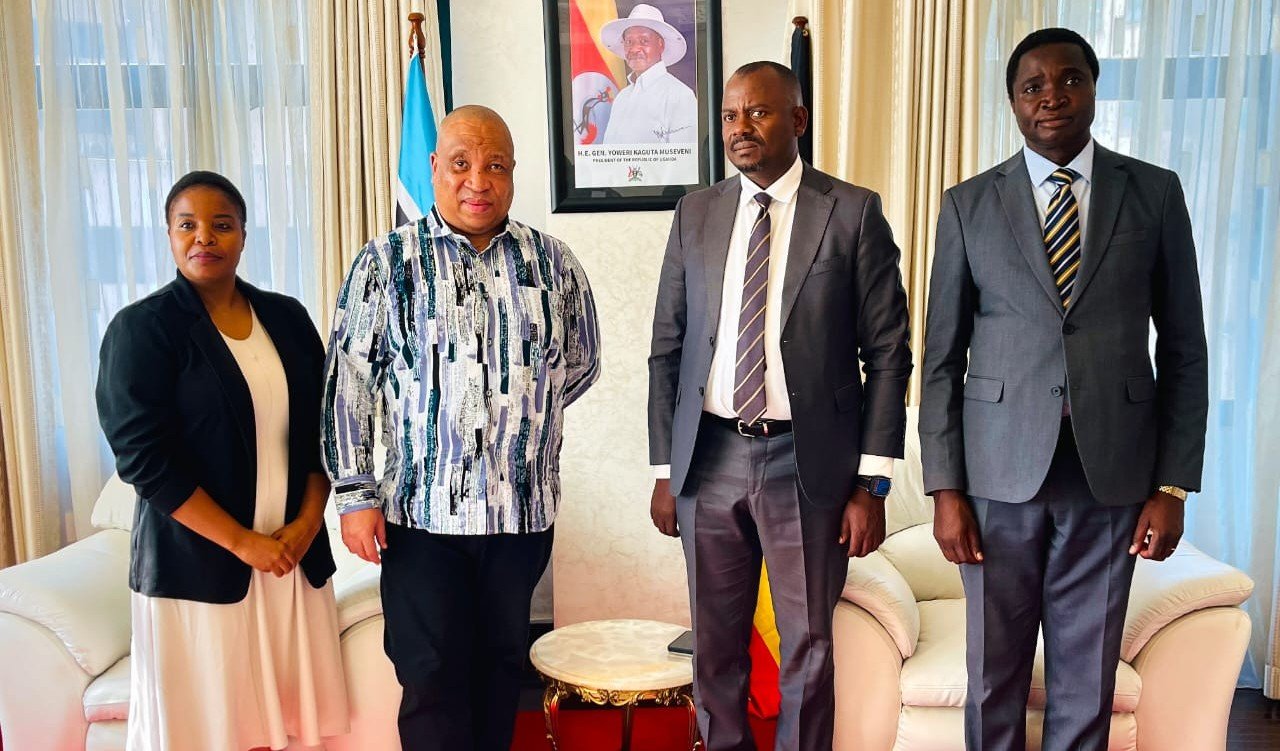
The Acting Minister of Foreign Affairs, Hon. Haruna Kasolo Kyeyune, on Wednesday met Mr. Kagiso Mosoane, the Charge d’Affaires at the South African High Commission in Uganda, at the Ministry of Foreign Affairs to discuss the worsening security situation facing Ugandans and other foreign nationals in South Africa.
The emergency meeting comes as violence, intimidation, and threats against migrants continue to spread across parts of South Africa, forcing many foreign nationals, including Ugandans, to flee their homes and businesses in search of safety.
During the meeting, Kasolo conveyed the Ugandan government’s “deep concern” over the attacks, saying the reported deaths of two Ugandan citizens in recent days underscored the urgent need for South African authorities to take decisive action.
He stressed that it is the responsibility of the South African government to guarantee the safety and security of all people within its borders, regardless of nationality.
“The South African authorities must act decisively to protect lives and prevent further loss of Ugandan nationals,” the minister said.
Kasolo also urged the South African government to ensure that Ugandans affected by the violence are provided with adequate security and allowed safe passage to designated assembly centres where they can be documented before possible evacuation.
The minister raised concerns over reports that groups involved in the crackdown claim to be targeting undocumented migrants but have instead intimidated and threatened Ugandans who are legally living and working in South Africa.
According to the Ministry of Foreign Affairs, it has received credible reports indicating that even documented Ugandan nationals have not been spared from harassment.
Kasolo emphasized that determining a person’s immigration status is the exclusive responsibility of authorized law enforcement agencies and not vigilante groups or self-appointed civilian movements.
He warned that allowing non-state actors to conduct immigration enforcement risks exposing innocent foreign nationals to violence, abuse, and unlawful discrimination.
Responding to Uganda’s concerns, Mr. Mosoane assured the government that South African authorities have deployed security personnel across the country to facilitate the safe movement of foreign nationals seeking to leave affected areas.
He said measures were being implemented to ensure those fleeing violence could travel safely without further attacks.
Beyond the immediate security concerns, the two officials also discussed the plight of Ugandan nationals currently detained in South Africa on allegations of visa overstays and other immigration-related offences.
Both sides agreed on the need for sustained bilateral engagement and structured consultations to address issues surrounding the legal status of Ugandan nationals, procedural safeguards in immigration enforcement, and the possible release of those being held.
The meeting signals Kampala’s growing concern over the safety of its citizens in South Africa, which hosts one of the largest Ugandan diaspora communities on the African continent.
South Africa has experienced repeated outbreaks of xenophobic violence over the past two decades, with foreign nationals often blamed for unemployment, crime, and pressure on public services. Businesses owned by migrants have frequently been looted or destroyed during such unrest, prompting condemnation from African governments and regional bodies.
Uganda has previously urged its citizens living in South Africa to remain vigilant, maintain contact with Ugandan diplomatic missions, and follow guidance issued by local authorities whenever security situations deteriorate.
The latest diplomatic engagement highlights Kampala’s determination to seek stronger assurances from Pretoria that Ugandan citizens—whether documented or otherwise—will receive protection under South African law as authorities work to contain the ongoing violence.