
The Government of Uganda has stepped up preparations for World Population Day 2026, with a high-level briefing held between officials from the National Planning Authority (National Planning Authority Uganda) and the United Nations Population Fund (UNFPA Uganda), ahead of the national commemoration scheduled for July 11 in Rubanda District.
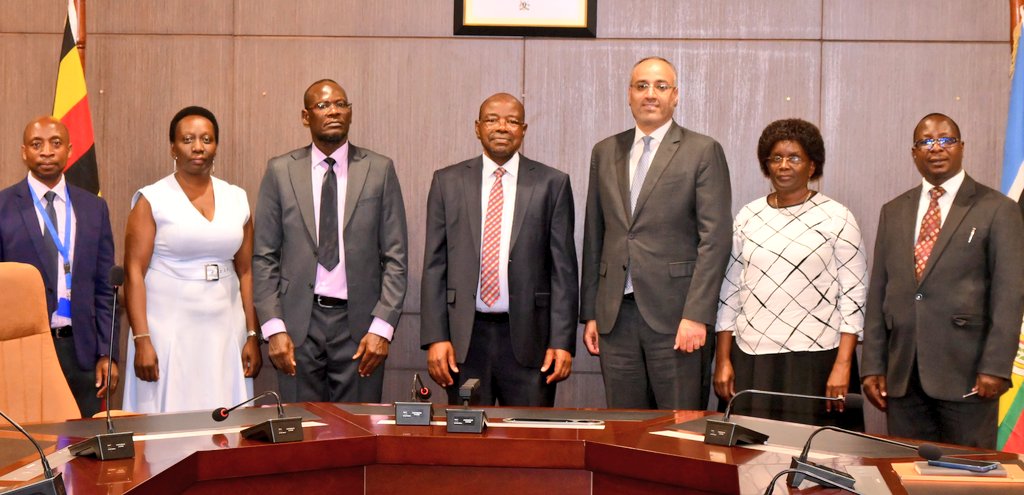
According to the Ministry of Finance, Planning and Economic Development (Ministry of Finance, Planning and Economic Development Uganda), the delegation met the Minister of State for Planning, Hon. Amos Lugoloobi (Amos Lugoloobi), to brief him on the state of readiness and key thematic focus areas for the 2026 celebrations.
The annual event, established by the United Nations, is observed globally to raise awareness on population-related issues, including reproductive health, gender equality, poverty reduction, and sustainable development planning.
Uganda’s 2026 commemoration is expected to place renewed emphasis on how demographic dynamics can be transformed into a development asset, rather than a burden.
Theme anchored on technology and research
This year’s theme, “Unlocking the potential of Uganda’s Population through Technology and Research to Drive Sustainable Development,” reflects a growing policy shift toward leveraging innovation, data systems, and scientific research to address population pressures and economic transformation.
Officials involved in the preparations indicated that the event in Rubanda District will not only be ceremonial but will also serve as a platform for policy dialogue, youth engagement, and showcasing practical interventions linking population trends to national development planning.
Uganda remains one of the youngest countries in the world, with a rapidly growing population and a high proportion of young people entering the labour market each year. Policy makers have increasingly pointed to the need for targeted investments in education, digital skills, health systems, and job creation to harness this demographic reality.
Government focus on employment and skills
During the briefing, Hon. Amos Lugoloobi underscored several priority areas that he said must be central in population planning discussions going forward. These include unemployment, skilling of young people, and the integration of emerging technologies into development planning processes.
He emphasized that Uganda’s population dynamics must be matched with deliberate strategies to equip young people with relevant skills for the modern economy, particularly in areas such as digital technologies, entrepreneurship, and innovation-driven enterprises.
Lugoloobi also highlighted the importance of strengthening gender equality frameworks in population planning, noting that inclusive development requires equal access to opportunities, services, and decision-making spaces for both men and women.
According to officials, the minister stressed that population policy discussions should move beyond statistics and focus more on practical interventions that address real-life challenges facing communities, especially in rural districts such as Rubanda.
UN agenda and Uganda’s development priorities
World Population Day, first established by the United Nations in 1989, has become a key global platform for governments and development partners to reflect on population trends and their implications for economic growth, health systems, and social stability.
In Uganda, the day has often been used to highlight issues such as teenage pregnancy, access to family planning services, maternal health, and youth unemployment—challenges that continue to shape national development outcomes.
The involvement of UNFPA Uganda in the 2026 preparations signals continued collaboration between government and international development partners in addressing population-related challenges through evidence-based policy making.
Officials noted that the integration of research and data analytics into population planning is expected to improve decision-making at both national and local government levels, enabling more targeted interventions and better resource allocation.
Rubanda District to host national event
This year’s national commemoration will take place in Rubanda District, located in southwestern Uganda, an area known for its mountainous terrain and rural agricultural communities.
Hosting the event outside the capital is part of a broader government strategy to decentralize national celebrations and bring policy discussions closer to local populations.
The event is expected to attract government officials, development partners, civil society organisations, researchers, youth groups, and community leaders. Activities will likely include exhibitions, policy dialogues, youth forums, and presentations on population and development indicators.
Local authorities in Rubanda are also expected to use the opportunity to highlight regional development priorities, including education access, health infrastructure, and youth livelihood programmes.
Linking population growth to sustainable development
Uganda’s population, currently among the fastest-growing in the world, continues to present both opportunities and challenges. While a large youth population offers a potential demographic dividend, it also places pressure on jobs, education systems, healthcare services, and urban infrastructure.
Policy experts argue that unlocking this potential will depend on strategic investments in human capital development, innovation ecosystems, and inclusive governance systems that ensure no segment of the population is left behind.
The 2026 World Population Day commemoration is therefore expected to reinforce Uganda’s broader national development agenda, particularly the goal of transforming the country into a middle-income economy through industrialization, digital transformation, and improved productivity.
Outlook
As preparations continue, government and development partners are expected to finalize the programme for the July 11 event in the coming weeks. The focus on technology and research signals a growing recognition that data-driven policy making will be central to addressing Uganda’s population challenges in the years ahead.
With the demographic debate increasingly tied to economic planning, the 2026 World Population Day is shaping up to be more than a commemorative event—it is being positioned as a strategic platform for rethinking how Uganda harnesses its population for sustainable development.