

Uganda’s ambitious public investment agenda has reached a combined value of Shs117.6 trillion, with economic infrastructure projects taking the lion’s share of planned government investments for the 2025/26 financial year.
According to the Ministry of Finance, Planning and Economic Development, the Public Investment Plan (PIP) for FY2025/26 comprises 320 projects worth Shs117.616 trillion, underscoring the government’s continued focus on infrastructure-led economic transformation.
Data released by the ministry shows that 154 economic infrastructure projects account for Shs74.589 trillion, representing approximately 63.4 percent of the total investment portfolio.
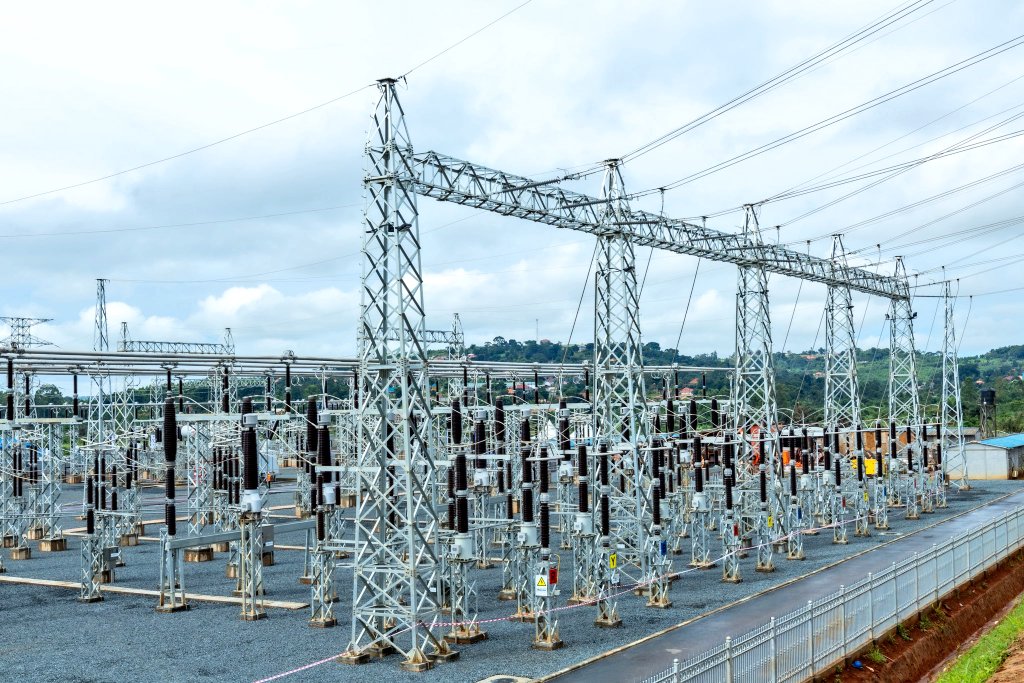
The projects include investments in roads, energy, transport, water, industrial parks, and other strategic infrastructure intended to support economic growth and attract private sector investment.
The dominance of infrastructure spending highlights government’s strategy of using public investments to unlock productivity, improve connectivity, and support industrialisation under the National Development Plan framework.
The second-largest allocation is directed toward social sector projects, with 29 projects valued at Shs15.882 trillion. These investments are expected to support improvements in health, education, social protection, and other services aimed at enhancing human capital development.
Institutional development projects form the largest category by number, with 125 projects valued at Shs10.367 trillion. These projects are designed to strengthen government institutions, improve public service delivery, enhance governance systems, and build administrative capacity across ministries, departments, and agencies.
Meanwhile, a relatively small portion of the investment plan—10 projects valued at Shs195 billion, or about 0.2 percent of the total portfolio—has been earmarked for land acquisition, office space development, and regulatory and systems interventions.
The Public Investment Plan serves as the government’s master pipeline for major development projects and is intended to guide resource allocation and implementation priorities over the medium term. Projects included in the plan undergo appraisal and review processes before being considered for funding.
Economists have long argued that infrastructure investments play a critical role in reducing the cost of doing business, expanding market access, and supporting Uganda’s ambition to become an upper-middle-income economy.
However, concerns remain over implementation delays, cost overruns, and the need to ensure that large-scale public investments generate measurable economic returns.
The latest figures come at a time when Uganda is pursuing several major infrastructure initiatives, including road construction, electricity transmission expansion, oil and gas-related developments, industrial park infrastructure, and urban development projects.
The concentration of investments in economic infrastructure suggests that government sees physical capital development as a key driver of future economic growth.
Such investments are expected to support trade, improve logistics, boost agricultural commercialization, and create an enabling environment for private sector expansion.
At the same time, the allocation of nearly Shs16 trillion to social projects signals recognition of the need to balance infrastructure development with investments in education, healthcare, and social services to ensure inclusive growth.
With the total value of projects in the pipeline now exceeding Shs117 trillion, attention will increasingly turn to project execution, financing arrangements, and the ability of implementing agencies to deliver value for money.
As Uganda continues to navigate fiscal pressures and growing development demands, the effectiveness of the Public Investment Plan will be closely watched by investors, development partners, and the business community as a key indicator of the country’s long-term economic trajectory.