
The Director-General of the World Health Organization (WHO), Dr. Tedros Adhanom Ghebreyesus, has commended Uganda’s efforts in responding to Ebola outbreaks, expressing confidence in the country’s ability to contain and manage the deadly disease based on its extensive experience.
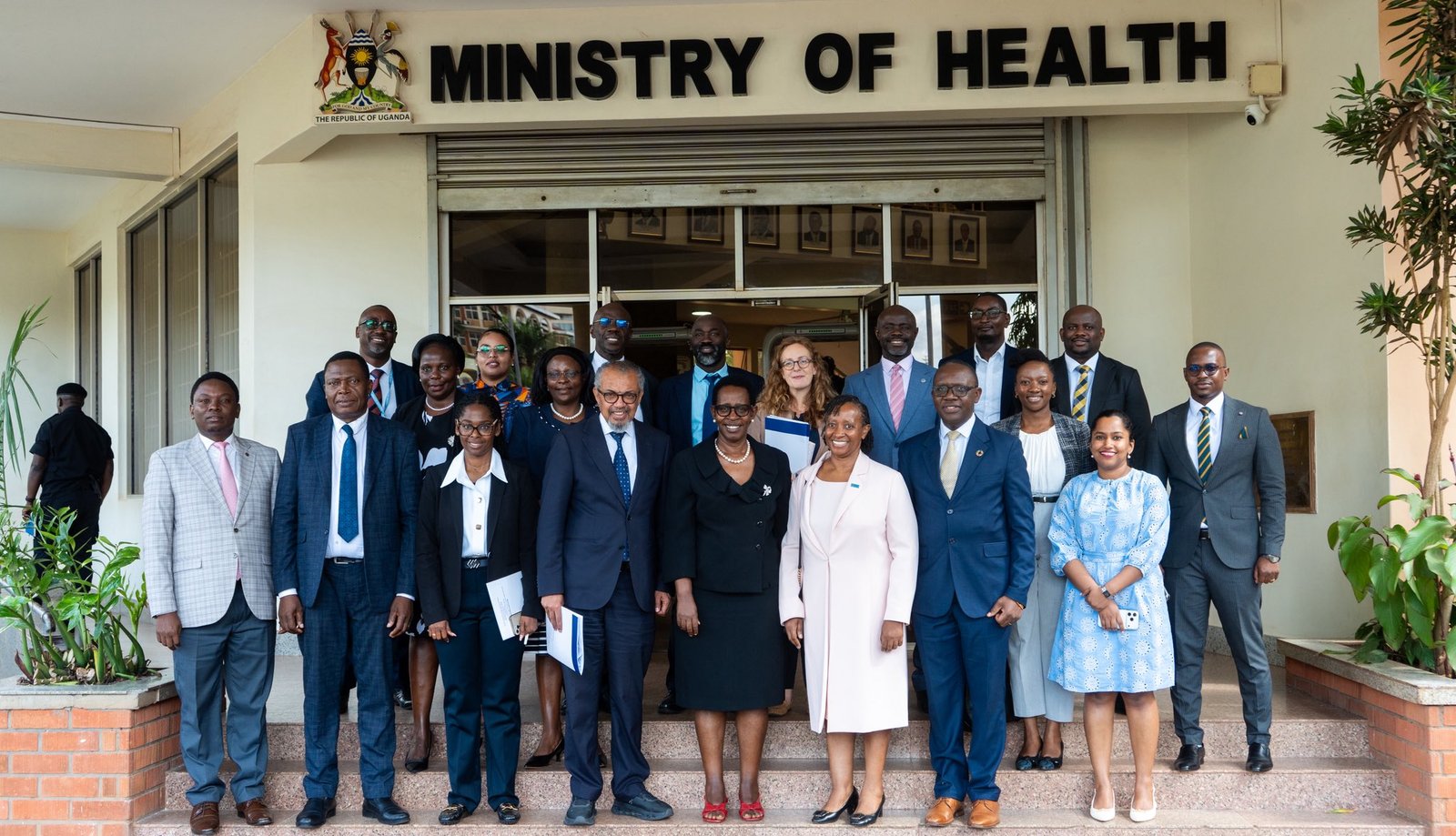
Dr. Tedros made the remarks on Monday during a meeting with Uganda’s Ministry of Health senior technical team, led by Permanent Secretary Dr. Diana Atwine and Director General of Health Services Dr. Charles Olaro, aimed at assessing the Ebola situation in the country and the wider region.
According to the Ministry of Health, the WHO chief praised the Government of Uganda for its commitment and preparedness in tackling Ebola outbreaks, noting that the country has built considerable expertise through its previous responses to the disease.
“You have the experience and you can do it,” Dr. Tedros told the Ugandan health officials, while also calling on Uganda to extend support to the neighbouring Democratic Republic of Congo (DRC), which is currently battling an Ebola outbreak.
Uganda has long been regarded as one of Africa’s leading countries in Ebola surveillance and response, having successfully contained several outbreaks over the past two decades through rapid detection, contact tracing, isolation, and community engagement.
Speaking during the meeting, Dr. Atwine revealed that Uganda has already intensified its support to the DRC as part of regional efforts to prevent the spread of the virus across borders.
She said Uganda is deploying health workers to assist in outbreak response activities and is in the process of establishing 50-bed Ebola treatment units in support of the affected areas.
“Uganda is supporting the outbreak response in DRC by deploying health workers and setting up 50-bed treatment units this week,” Dr. Atwine said.
She further disclosed that two mobile laboratories have already been established in the border districts of Bwera and Arua to strengthen testing and diagnostic capacity for Ebola cases linked to the outbreak in the DRC.
The deployment of mobile laboratories is expected to enhance early detection and timely confirmation of suspected cases, a critical component in preventing cross-border transmission of the virus.
The meeting underscores growing regional collaboration in addressing public health emergencies, particularly in East and Central Africa where porous borders often increase the risk of disease spread.
Health experts have repeatedly emphasized that coordinated regional action remains essential in controlling Ebola outbreaks, with neighbouring countries playing a crucial role in surveillance, preparedness and response efforts.
Uganda’s latest intervention comes as health authorities across the region remain on high alert amid concerns that population movements between the DRC and neighbouring countries could facilitate the spread of the disease if not swiftly contained.