
Uganda has been ordered to pay Shs522 billion ($138.93 million) to Rift Valley Railways Uganda Limited (RVRU) after an international arbitration tribunal in London ruled that the government unlawfully terminated the company’s railway concession in 2017.
The award, issued on April 6, 2026 under the UNCITRAL Arbitration Rules, brings to a close a years-long legal battle, but opens an explosive new fight at home over accountability, reckless decision-making, and who should ultimately foot the bill.
What the Tribunal Found
The three-member panel, chaired by Klaus Reichert and joined by Barton Legum and Muna Ndulo, stopped short of finding that Uganda had illegally expropriated RVRU’s assets. But it was unambiguous on the core question: the termination of the concession was not contractually justified.
Uganda has been ordered to pay $138.93 million in damages inclusive of interest, plus $1.27 million in legal and arbitration costs. In a move that will sting further, RVRU was directed to pay Uganda just $102,804.99 in historical damages, a negligible sum by comparison.
The tribunal also threw out RVRU’s claim for future lost profits, ruling that the company had failed to demonstrate any reliable basis for those projections. “The claimants did not prove a record of profits or provide a reliable basis to forecast future profits,” the panel stated.
A Relationship That Fell Apart
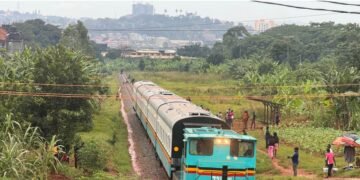
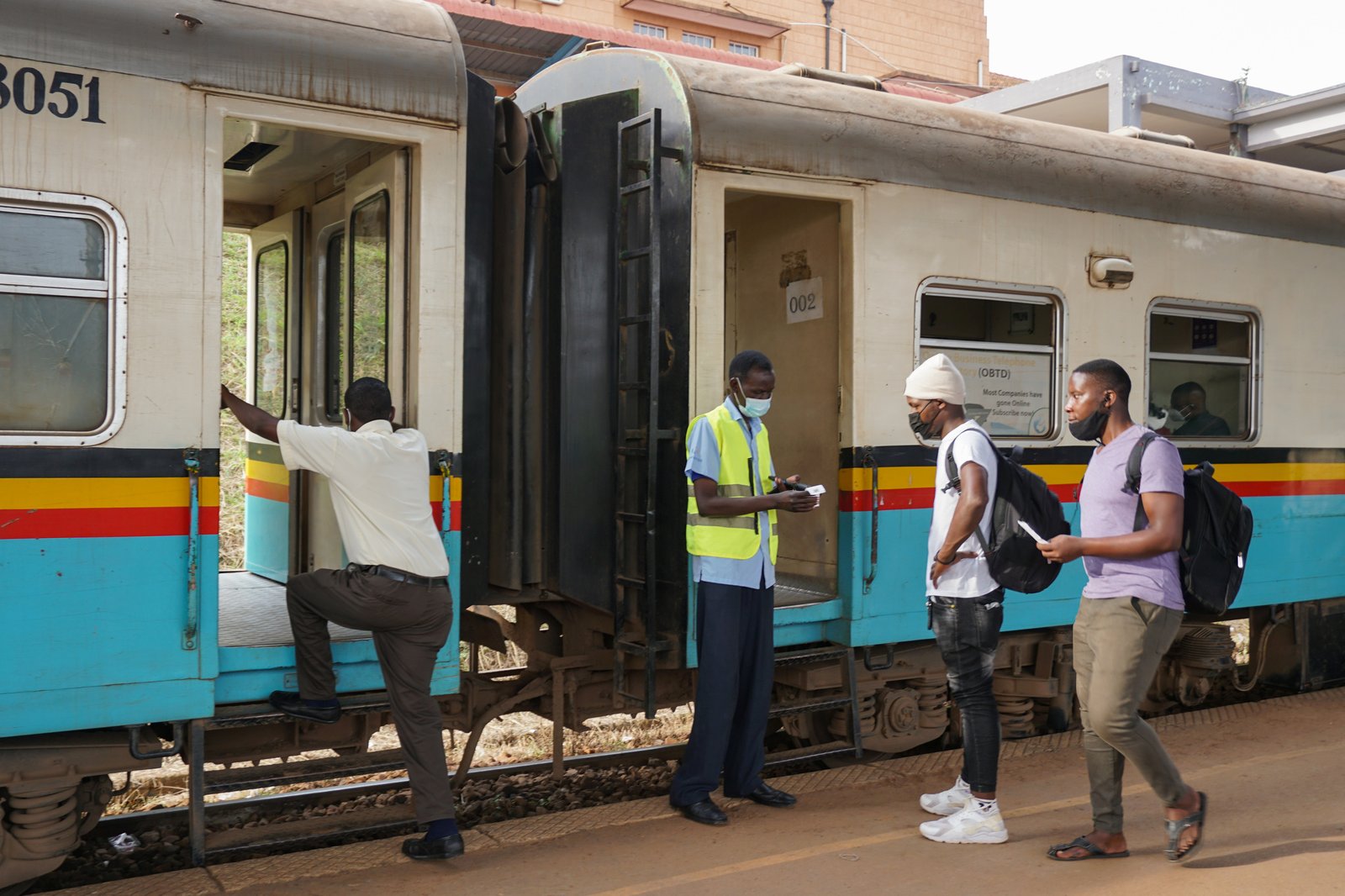
The dispute traces back to 2004, when Uganda and Kenya moved to privatise railway operations previously managed by Uganda Railways Corporation. In 2005, a consortium led by South Africa’s Sheltam was awarded a 25-year concession, establishing RVRU to run freight services on key national railway assets, tracks, rolling stock, and supporting infrastructure.
Over time, the partnership deteriorated. Government accused RVRU of failing to hit freight targets, accumulating unpaid concession fees, and neglecting maintenance. In July 2016, a formal notice of default was issued listing nine alleged breaches. RVRU denied them all.
By April 2017, government had issued a notice of intention to terminate. By October of that year, the concession was formally ended. What officials did not appear to anticipate was the legal and financial tsunami that decision would trigger.
In a detail that has raised eyebrows, it emerged that government reportedly attempted to reverse the termination shortly after issuing it, citing a lack of awareness of a court injunction — before proposing new conditions. By then, it was too late. The matter had already entered international arbitration.
Names in the Frame
The decision to terminate the concession was made under the watch of current Minister of Finance Matia Kasaija, former Attorney General William Byaruhanga, and the late Minister of Works Monica Azuba, who passed away last month.
At the time, the move was presented as a necessary intervention to reclaim a struggling national asset. The tribunal’s findings now raise serious questions about whether proper contractual procedures were followed, and whether the people who made the call should be held personally liable.
“Those who made the decision should be the ones to pay, not the public,” is the view being voiced loudly on social media and in public discussion. Calls are mounting for a formal investigation into the termination process and a legal review of the 2017 decisions.
What Shs522 Billion Could Have Built
The scale of the payout is not lost on Ugandans struggling with one of the most underfunded healthcare systems in the region.
Simple arithmetic puts the loss into devastating perspective: if Shs37 billion can construct 14 health centres, then Shs522 billion could have funded nearly 200 health facilities across the country, in communities where drug shortages are routine, hospitals are overcrowded, and basic rural healthcare remains out of reach.
The money will not build those centres. It will go to a South African-led investment consortium because of what the tribunal has determined was a procedurally flawed government decision.
A Warning to Future Governments
The ruling carries implications well beyond the railway sector. It sends a stark message to any government considering how to handle underperforming infrastructure concessions: even when a private investor is failing to deliver, the manner in which a contract is ended matters enormously. Cut corners on the process, and the cost falls on the taxpayer.
What began as an attempt to fix a broken railway concession has ended with a Shs522 billion liability, a credibility problem for Uganda’s investment climate, and a public demanding answers.
The central question now is one no government official appears eager to answer: should ordinary Ugandans carry the financial consequences of decisions they did not make, or should those who made them be held to account?