
KAMPALA — The government has unveiled fresh plans for a massive transformation of Mandela National Stadium, Namboole, as Uganda accelerates preparations to host matches during the 2027 Africa Cup of Nations (AFCON).
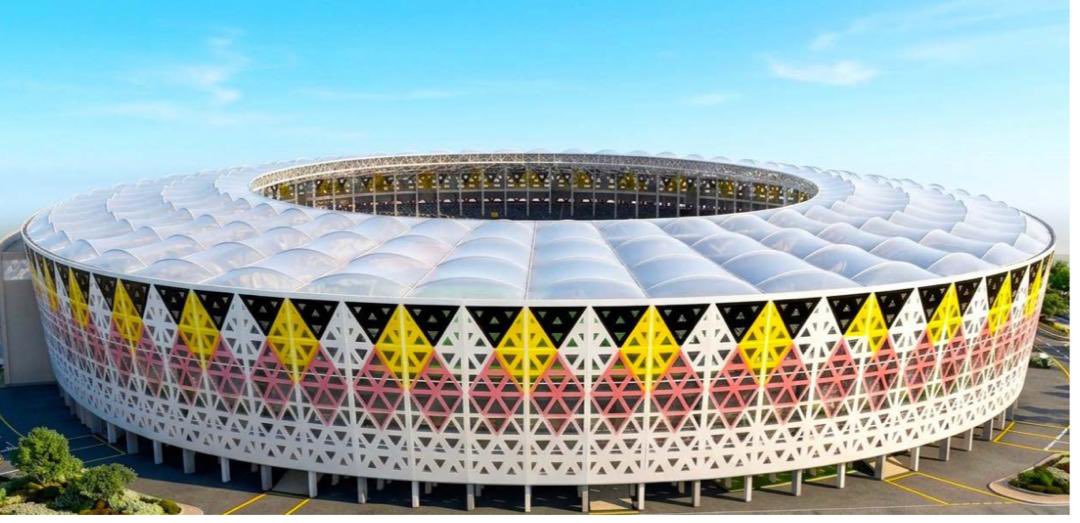
State Minister for Sports, Peter Ogwang, on Thursday revealed an artistic impression of what the country’s premier sports facility will look like after the completion of a multi-billion-shilling renovation project currently being undertaken by the UPDF Engineering Brigade.
In a post on X, Ogwang said Mandela National Stadium is among the venues selected to host AFCON 2027 matches and confirmed that renovation works are ongoing.
“Mandela National Stadium Namboole is among the host stadiums for AFCON 2027. Currently, the Stadium is under renovation by the UPDF Engineering Brigade. Below is the artistic impression of Mandela Stadium, the product after renovation,” Ogwang posted.
The announcement offers Ugandans the clearest glimpse yet of the ambitious redevelopment project that aims to transform the nearly three-decade-old facility into a modern continental sports arena capable of meeting the Confederation of African Football (CAF) requirements for Africa’s biggest football tournament.
From CAF Blacklist to AFCON Host
The ongoing works mark another chapter in the long journey to restore and modernize Namboole.
The stadium, popularly known as the home of the Uganda Cranes, was closed in 2020 after CAF deemed it unfit to host international matches due to deteriorating infrastructure and failure to meet required standards. Uganda’s national teams were forced to play home matches abroad and at alternative venues, dealing a major blow to local football.
In response, the government commissioned the UPDF Engineering Brigade to undertake a comprehensive renovation project. The first phase, which cost approximately Shs97 billion, focused on restoring the facility to CAF standards and included installation of permanent seats, refurbishment of dressing rooms, modernization of floodlights, improvement of the playing surface, installation of a modern scoreboard and upgrading spectator facilities.
The works enabled the stadium to regain CAF approval and reopen in 2024, allowing Uganda Cranes to return to Namboole for international matches after several years away.
Phase Two Driven by AFCON 2027 Requirements
However, securing AFCON 2027 hosting rights alongside Kenya and Tanzania significantly altered the scale of Uganda’s ambitions.
Following inspection visits by CAF officials, government officials acknowledged that additional upgrades were necessary to ensure the stadium meets the standards required for a tournament of AFCON’s magnitude. CAF reportedly highlighted several areas that required redesign and expansion.
As a result, government approved a second phase of redevelopment estimated at approximately $60 million (about Shs220–248 billion), with the UPDF Engineering Brigade once again entrusted with execution of the project.
According to details previously released by government officials, the new phase will involve extensive remodeling of the stadium, including expansion of seating capacity, reconfiguration of player facilities, upgrading media areas, improvement of VIP and VVIP sections and modernization of access routes.
Officials have also indicated that the redesign seeks to move the facility away from its original 1970s-inspired concept and align it with modern international stadium standards.
What the New Namboole Could Look Like
While technical specifications have not yet been fully released, previous government presentations and planning documents suggest the completed facility could feature significantly increased seating capacity, expanded hospitality areas and improved spectator experiences.
Earlier projections indicated that the redevelopment would increase the stadium’s capacity beyond the current 45,000 seats. Some plans have proposed a capacity exceeding 60,000 spectators, potentially making it one of the largest sports venues in East Africa.
The artistic impression shared by Ogwang appears to show a modernized arena with upgraded exterior architecture, expanded seating arrangements and improved infrastructure designed to accommodate major international competitions.
Beyond football, the stadium is expected to continue serving as Uganda’s premier venue for athletics, rugby, concerts and other national events.
Race Against Time
The redevelopment comes as Uganda faces growing pressure to complete key AFCON infrastructure projects before the 2027 tournament.
CAF inspectors have repeatedly emphasized the need for host nations to deliver stadiums, training grounds, accommodation facilities and transport infrastructure well ahead of the tournament.
Besides Namboole, government is overseeing construction and upgrading works at several other sports facilities, including Hoima City Stadium and the proposed Akii-Bua Olympic Stadium project in Lira, which form part of the broader AFCON 2027 infrastructure strategy.
The UPDF Engineering Brigade has previously pledged to work around the clock to ensure timely completion of the Namboole project. Government officials have expressed confidence that the facility will be ready in time for the continental showpiece.
For many football fans, the transformation of Namboole represents more than just a construction project. The stadium has long been regarded as the spiritual home of Ugandan football, hosting memorable Uganda Cranes matches, athletics competitions and major entertainment events since its opening in 1997.
With AFCON 2027 now firmly on the horizon, the latest designs unveiled by Ogwang signal government’s determination to ensure that Namboole evolves from a once-blacklisted facility into one of the flagship venues for Africa’s biggest football tournament.