
The Ministry of Works and Transport has stepped up efforts to curb rising fatalities at railway level crossings, announcing a raft of new safety interventions targeting what officials describe as some of the country’s most dangerous transport
The move follows a series of fatal incidents reported along Uganda’s rail corridor, raising fresh concerns about speeding motorists, weak enforcement, and widespread non-compliance at crossing points.
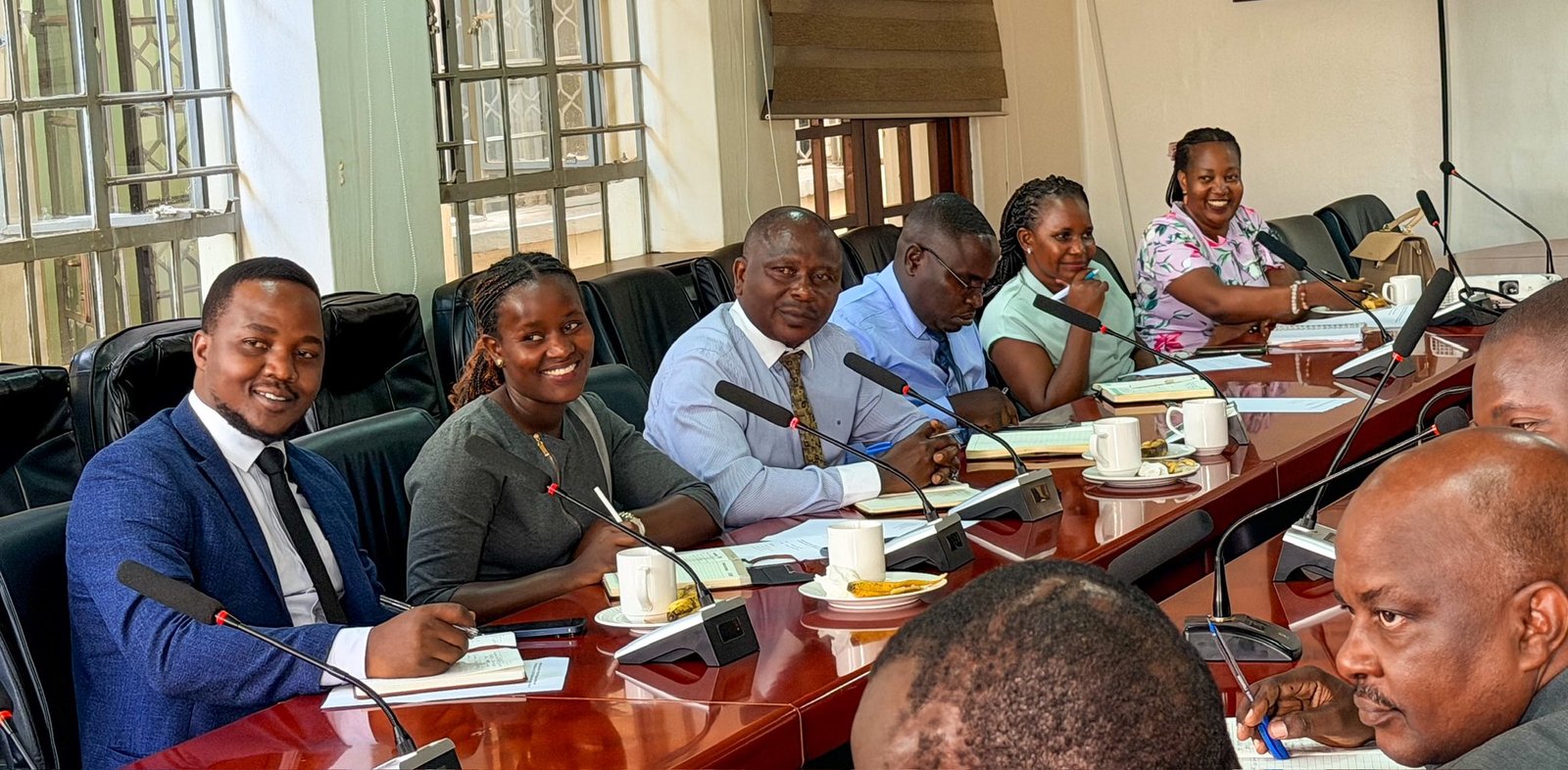
In a high-level meeting convened this week, a joint team led by Transport Regulation and Safety Commissioner, Winstone Katushabe, engaged officials from the Uganda Railways Corporation (URC) to confront the growing safety crisis.
Officials identified railway crossings as critical risk zones, where a combination of reckless driving, poor signage, and limited automation has continued to expose road users to deadly collisions with trains.
“The challenge of non-compliance at level crossings remains a serious threat to public safety,” a source familiar with the meeting said, noting that speeding motorists often ignore warning signals, particularly in busy urban and peri-urban areas.
New Measures Unveiled
The meeting resolved to roll out a series of coordinated interventions aimed at reversing the trend.
Among the key measures agreed upon are the introduction of stricter speed control mechanisms near crossings, installation of clearer and more visible signage, and stronger enforcement of traffic regulations.
Authorities also committed to accelerating the automation of railway crossings — a move expected to reduce human error and improve response times when trains approach.
In addition, the government plans to launch a targeted public awareness campaign to educate motorists, boda boda riders, and pedestrians on the dangers of ignoring railway safety rules.
Technical Committee Formed
To ensure implementation, a joint technical committee bringing together officials from the ministry and URC has been established. The committee will coordinate interventions, identify and prioritise high-risk crossing points, and monitor progress.
Transport experts say the formation of the committee signals a more structured and data-driven approach to tackling railway safety challenges, which have long been overshadowed by road traffic concerns.
Growing Rail Activity Raises Stakes
The renewed focus on railway safety comes at a time when Uganda is seeking to revitalise its rail transport system as part of broader efforts to ease pressure on roads and boost trade efficiency.
With increased activity along existing rail lines and planned expansions, officials warn that failure to address safety gaps at crossings could lead to more frequent and severe accidents.
“This is about staying ahead of the problem,” one official noted. “As rail transport grows, safety systems must evolve just as quickly.”
Public Urged to Comply
Authorities are now urging the public to strictly observe traffic rules at railway crossings, emphasizing that infrastructure improvements alone will not eliminate risks without behavioral change.
The Ministry reiterated that safety at crossings is a shared responsibility, calling on all road users to exercise caution, obey signals, and remain alert when approaching railway lines.
The latest interventions mark a significant step in Uganda’s efforts to modernize its transport safety systems and reduce preventable deaths along its rail network.