

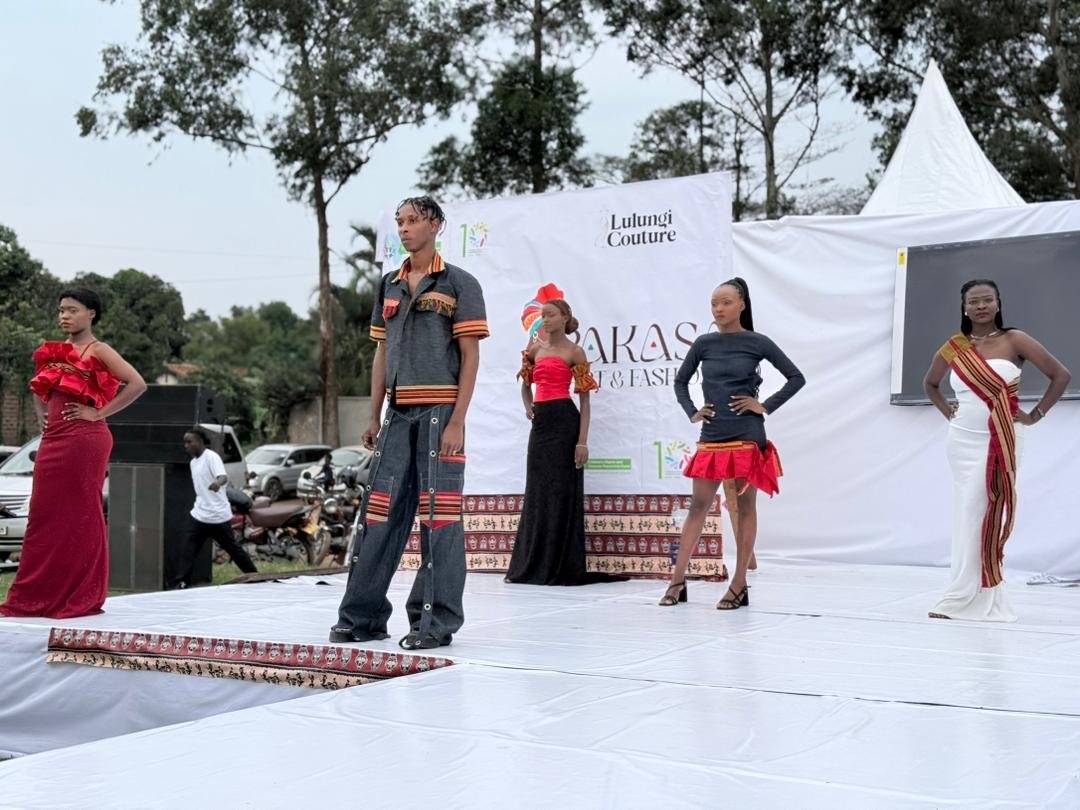
The usually quiet grounds of Express Playground in Kyebando were transformed into a vibrant hub of fashion, culture, and opportunity on Saturday as young creatives staged the Pakasa Art and Fashion Showcase.
Held in celebration of International Women’s Day, the community event brought together emerging designers, artists, local leaders, and residents for an afternoon that blended creativity with conversations about economic empowerment.
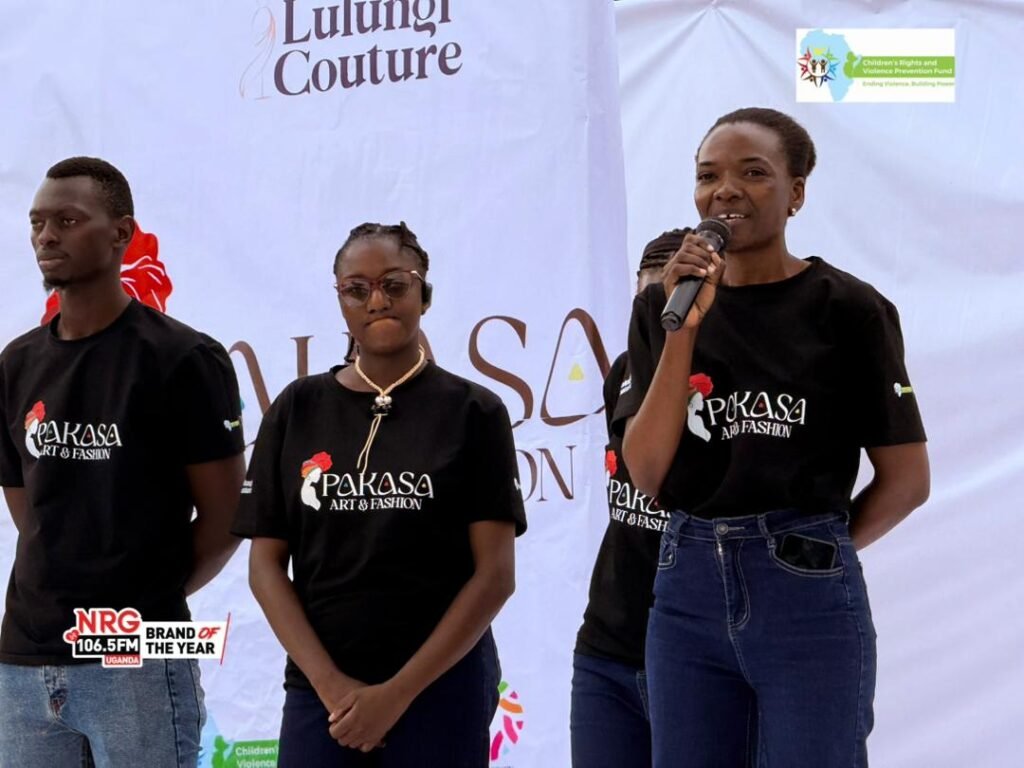
Organised by Lulungi Couture, a youth-led fashion enterprise founded by Joanita Nabagesera, the showcase created a platform for young designers, many of whom rarely get the opportunity to present their work publicly.
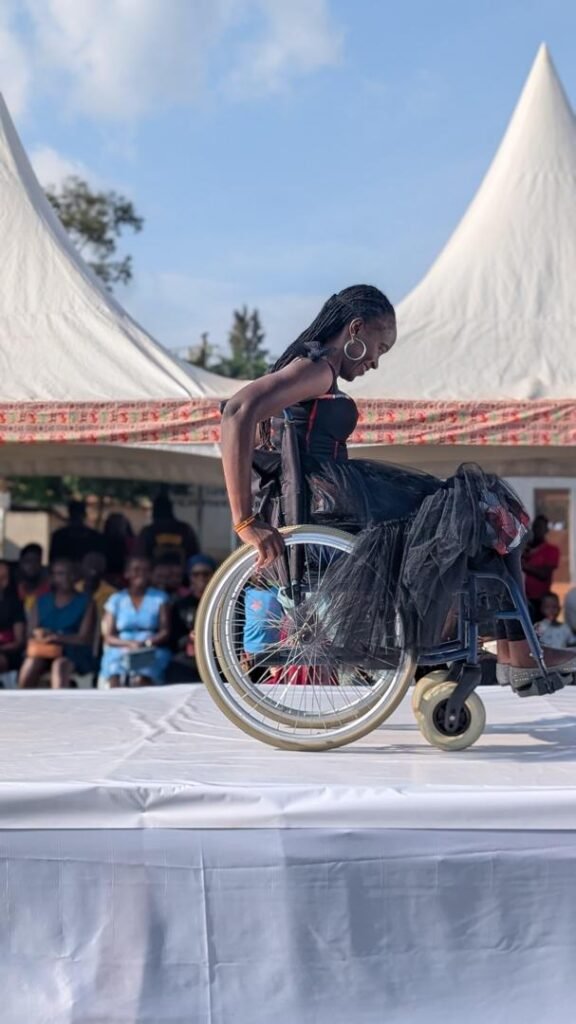
Drumbeats filled the air as models of all ages and backgrounds took to a community runway, showcasing bold Afro-contemporary designs crafted from locally sourced materials such as bark cloth, kitenge, sisal, and kikoyi. The designs not only celebrated cultural heritage but also highlighted the growing importance of sustainable fashion.
Joanita said the vision behind the showcase was rooted in changing perceptions about vocational skills and creative careers.
“Many young people think vocational skills are only for those who didn’t succeed in school. But fashion and art can also create livelihoods,” she noted.
The name “Pakasa,” a Luganda word meaning “to work hard,” reflected the spirit of the event, encouraging young people to transform talent into income-generating opportunities.
Uganda’s youthful population, with more than half under the age of 30 according to the National Planning Authority, presents both a challenge and an opportunity. Initiatives like the Pakasa showcase demonstrate how creative industries can help address youth unemployment while advancing women’s economic empowerment.
Several designers who participated in the showcase have been trained or mentored through Lulungi Couture, illustrating the ripple effect of youth-led mentorship in building sustainable creative careers. Some pieces displayed on the runway were sold during the event, with more buyers reportedly expressing interest afterward.
Beyond fashion, the event also stood out for its inclusivity. Children, young men and women, and persons with disabilities confidently modelled on the runway, turning the showcase into a celebration of diversity and community.
Community Dialogue on Inclusion
Following the runway presentations, participants engaged in a dialogue on the future of the creative industry and the importance of inclusive economic opportunities.
Tonny Mulenzi emphasized the need to integrate persons with disabilities into all aspects of society.
“Children with disabilities should not be hidden at home. They belong in schools, in businesses, and in spaces like this,” he said.
Youth leaders also highlighted the role of technology in unlocking new opportunities. Priscilla Kirabo urged young people to use digital platforms strategically to generate income, noting that tools like social media can be leveraged for entrepreneurship.
Meanwhile, Sarah Ameri stressed the importance of inclusive community models that bring together families, savings groups, and young people to drive collective growth.
Asiimwe Hajarah called for more platforms that reduce stigma and expand opportunities for vulnerable groups, including young people living with HIV.
Investing in Youth Potential
The showcase was organised in partnership with the Children’s Rights and Violence Prevention Fund (CRVPF) under the Empowering Youth through Data and Community Development (EYDCD) programme. The initiative contributes to the Mastercard Foundation’s Young Africa Works strategy, which aims to enable millions of young Africans to access dignified employment.
Joanita’s own journey into fashion began at the Sanyu Center for Art and Rights, where she gained artistic and entrepreneurial skills—an experience she is now replicating for others throgh mentorship.
More Than a Fashion Show
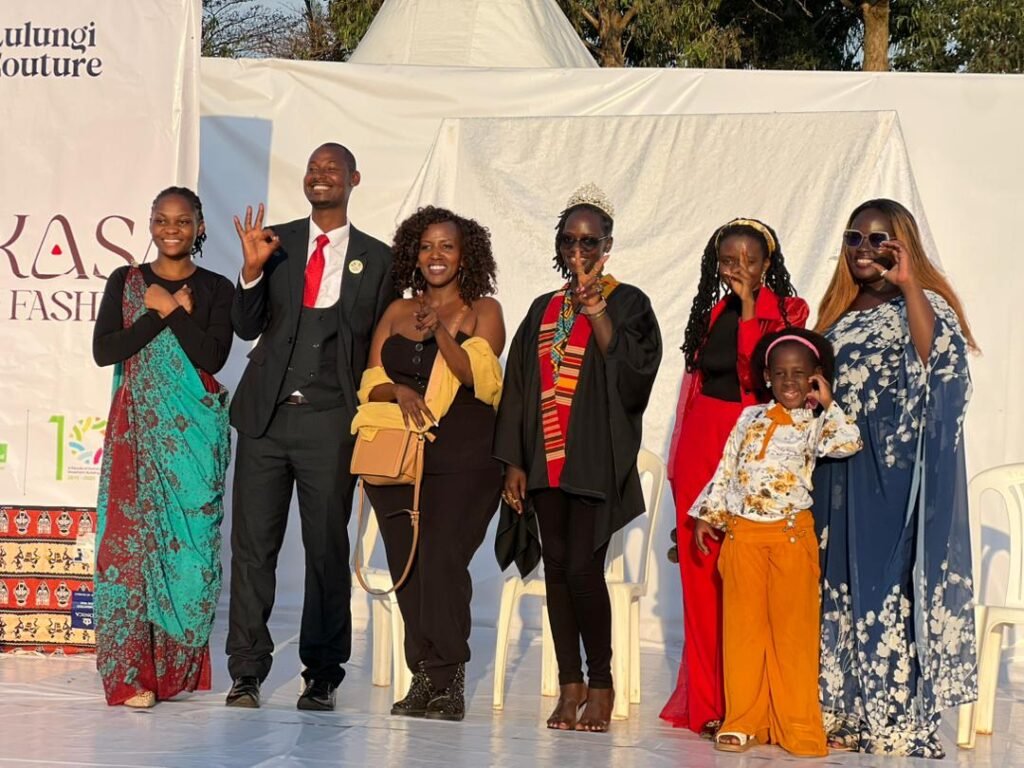
As the event drew to a close, children could be seen imitating runway walks, a reflection of the inspiration sparked within the community.
For many attendees, the Pakasa Art and Fashion Showcase was more than just a fashion event, it was a demonstration of what is possible when young people are supported to explore their talents.
For the designers who showcased their work, it marked the beginning of new opportunities.
In Kyebando, even if just for an afternoon, a community field became a runway, and a powerful reminder that creativity can open doors, create livelihoods, and transform lives.