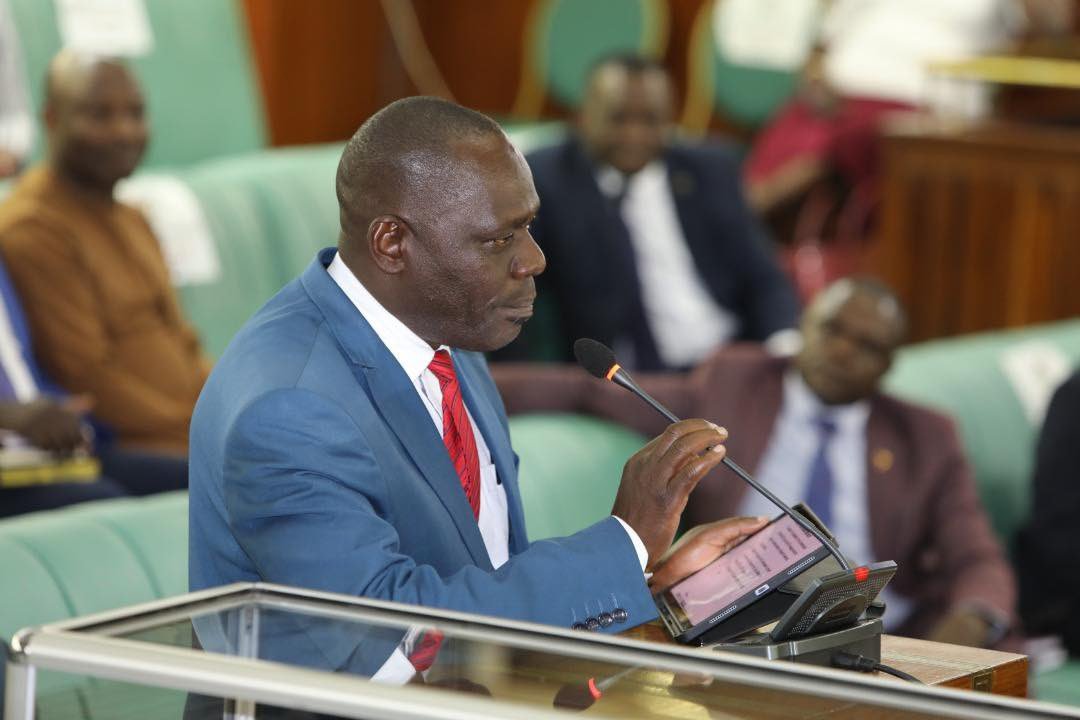


The Minister of State for Regional Affairs, John Mulimba, has cautioned against unilateral actions by states in addressing security challenges in the Great Lakes region, warning that such decisions risk escalating tensions and undermining collective peace efforts.
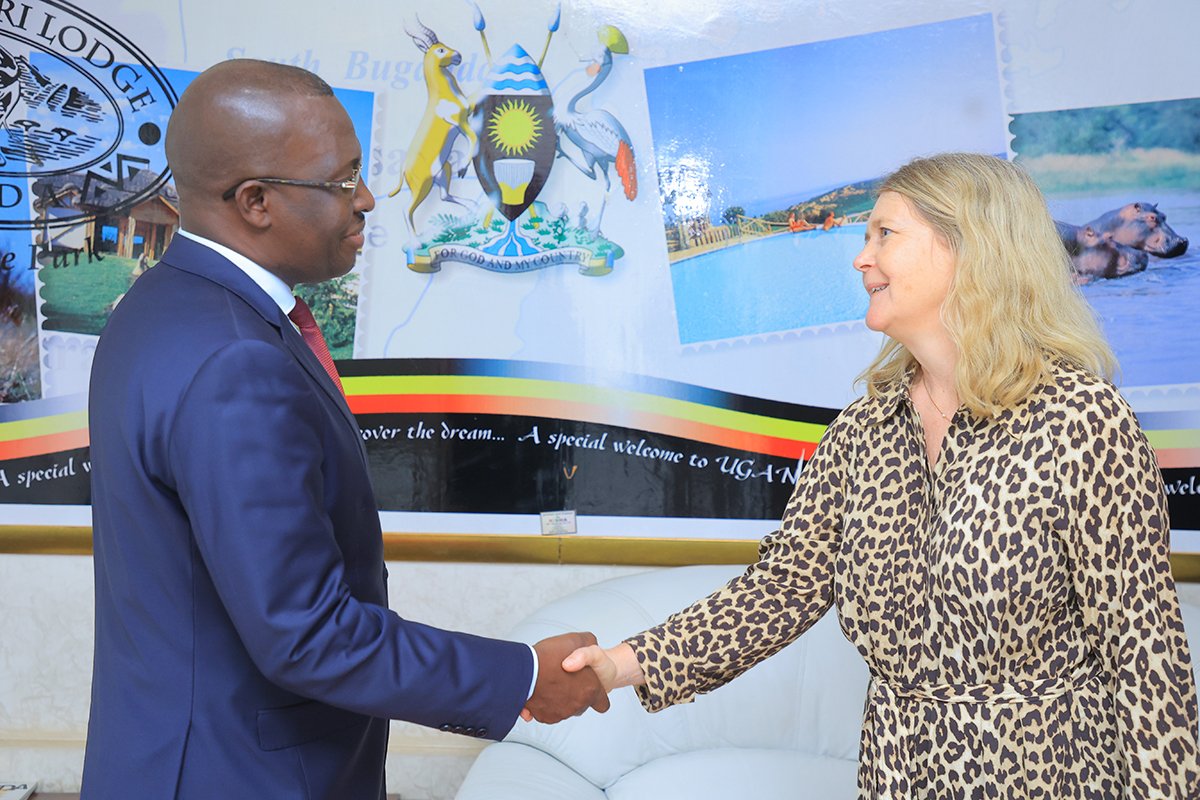
Mulimba made the remarks on February 12 during a courtesy meeting with Maria Hakansson, Ambassador of the Kingdom of Sweden, who called on him in her capacity as Representative of Sweden, the current Chair of the International Contact Group for the Great Lakes.
Ambassador Hakansson informed the minister that Sweden assumed the Group’s chairmanship in January 2026 for a six-month term, noting renewed interest in Stockholm over the security situation in the Great Lakes region, particularly in supporting humanitarian interventions.
Mulimba congratulated Sweden upon taking up the role and commended Stockholm for its continued contribution to peace and security in Africa. He emphasized Uganda’s position as a key player in regional integration and collective security initiatives.
He stressed the importance of harmonizing regional peace efforts with international frameworks, including the Doha and Washington processes, to strengthen ongoing stabilization initiatives, particularly in the Democratic Republic of Congo (DRC).
The minister referenced Uganda’s hosting of the 12th High-Level Regional Oversight Mechanism (ROM) Summit at State House Entebbe in December 2025, describing it as a reaffirmation of Kampala’s commitment to promoting peace, security, and cooperation in the DRC and the wider Great Lakes region.
Addressing rising tensions in parts of the region, Mulimba underscored the dangers of unilateralism.
“What we are seeing today is a result of states taking unilateral decisions,” he said, calling for stronger regional backing and coordinated action to prevent further escalation.
On the question of the United Nations’ recommendation for a drawdown of troops in Somalia, Mulimba advocated for a needs-based approach and urged the international community to adopt “greater realism” in diagnosing the root causes of instability in the region.
He added that the duration of Uganda’s Operation Shujaa against the Allied Democratic Forces (ADF) in eastern DRC would similarly be guided by a needs-based assessment rather than fixed timelines.