

Teachers hold a special place of trust within Ugandan communities—not only as educators but also as mentors and role models. With this influence, they are uniquely positioned to reinforce public health messages, particularly on the protection of government medicines.
Across many regions, misinformation continues to drive problems such as medicine theft and the informal sale of drugs meant to be free. Teachers can help counter these challenges by weaving health rights education into daily routines, including class discussions, morning assemblies, and school broadcasts.
Simple reminders—for instance, that Mama Kits, malaria treatment, and other essential medicines are free in government health facilities—can empower pupils with knowledge. When children take these lessons home, they often influence household decision-making, encouraging parents to question illegal charges or report suspected diversion of drugs.
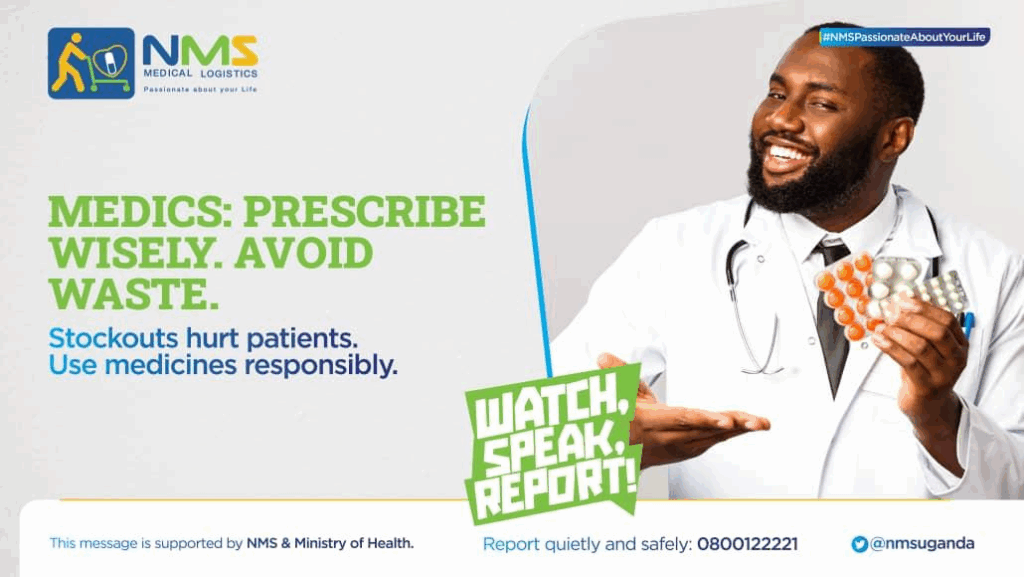
Collaborating with Health Facilities
Stronger partnerships between schools and nearby health centers could amplify this impact. Nurses, District Health Officers (DHOs), or facility managers can be invited to speak with students about how medicines are stored, monitored, and why theft undermines everyone’s well-being.
These collaborations foster a sense of shared responsibility, helping communities respect and protect public health systems. In the long run, they also nurture a new generation that understands health rights and is committed to safeguarding national resources.
Teachers, as trusted figures, can therefore play a transformative role in promoting accountability and ensuring medicines reach the patients who need them most.