

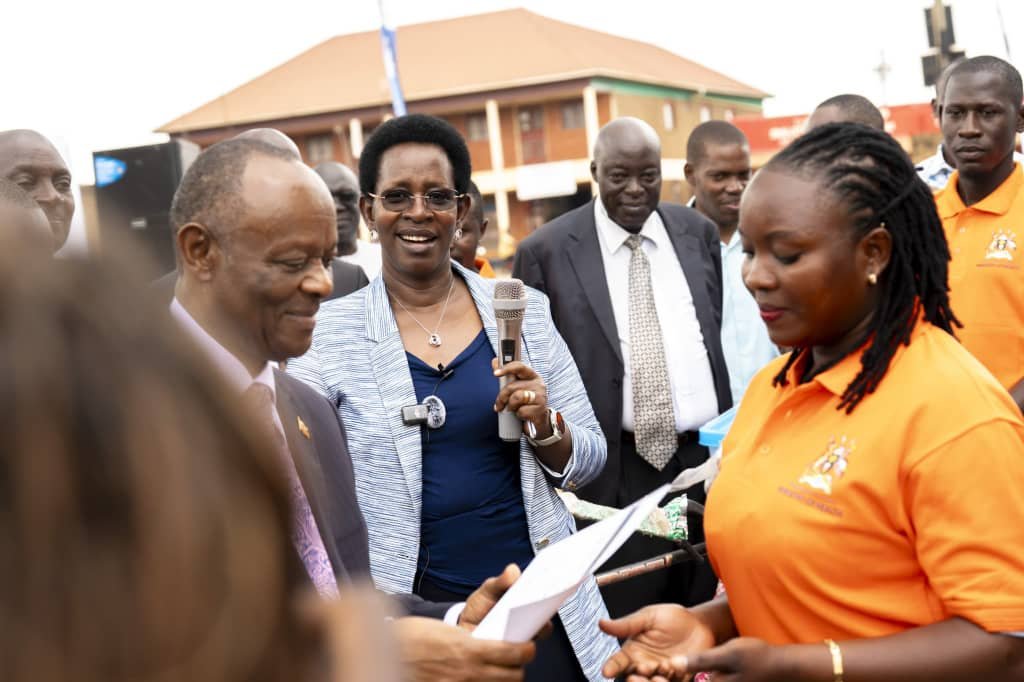
Luwero District has marked a significant milestone in its drive to strengthen primary healthcare by graduating a new cohort of Community Health Extension Workers (CHEWs). After six months of intensive training—equivalent to the duration of a diploma course—these dedicated individuals are now fully equipped to serve as vital links between the health system and the communities they come from.
The training focused on building practical skills in health promotion, disease prevention, health education, and basic screening. While CHEWs are not medical doctors or nurses and do not offer direct medical treatment, their role is crucial in improving health awareness, early detection of diseases, and encouraging timely healthcare-seeking behavior.
“We are proud of this achievement and confident that these CHEWs will transform the way communities in Luwero access and understand healthcare,” said a district health official. “They are trained to work closely with households, educate residents about hygiene, nutrition, maternal and child health, and help identify and refer individuals with symptoms of common illnesses for further care.”
The CHEW program is part of a broader national effort to address Uganda’s healthcare delivery gaps, especially in rural and underserved areas. By empowering community-based workers with relevant knowledge and tools, the Ministry of Health aims to reduce the burden on health facilities while improving health outcomes at the grassroots level.
Community members have welcomed the initiative, expressing optimism that the presence of trained CHEWs in their villages will help demystify medical information, promote healthy lifestyles, and improve early detection and response to health challenges.
As the new graduates return to their communities, their work is expected to not only support the formal healthcare system but also foster a culture of health ownership and proactive care.