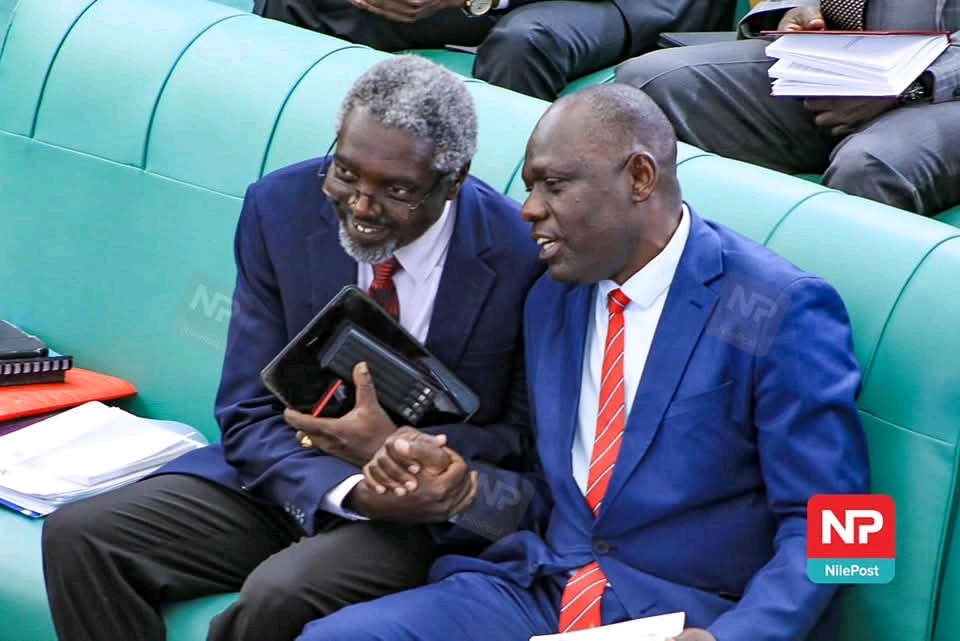

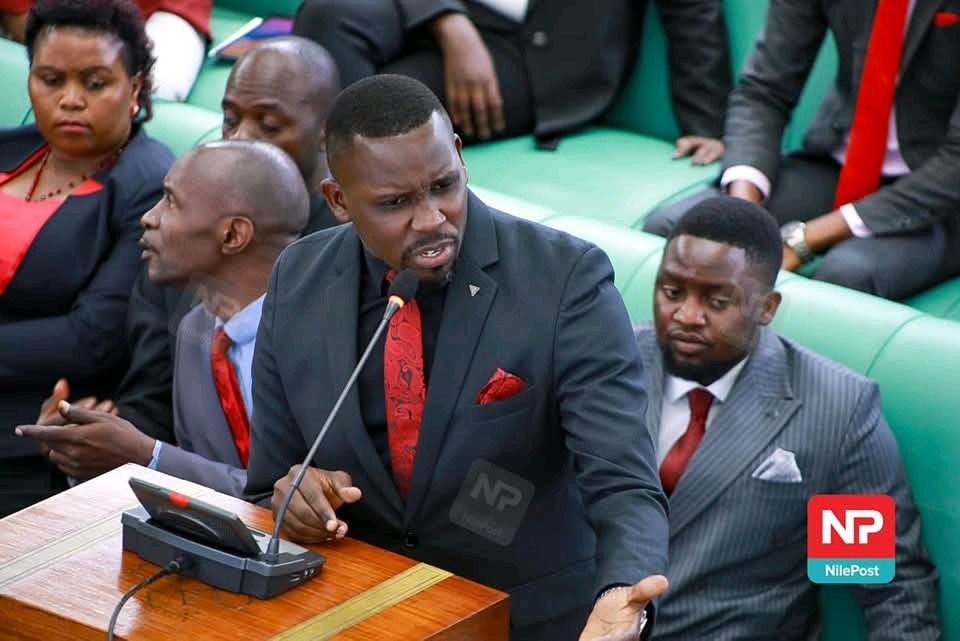
Opposition Members of Parliament on Tuesday staged a dramatic walkout from the plenary sitting of Parliament, protesting the processing of the contentious Uganda People’s Defence Forces (UPDF) Amendment Bill, 2025, and the Political Parties and Organizations Amendment Bill, 2025.
The legislators, led by Leader of Opposition Joel Ssenyonyi, accused the government of flouting a Supreme Court directive that requires meaningful public consultations before the passing of such laws. They have vowed to challenge the enactment in court, saying it amounts to contempt of court and undermines democratic legislative processes.
“This business of ambushing the different stakeholders to bring their input into the bill on the very morning is not consultation as is envisaged under the law,” said Ssenyonyi.
“My colleagues and I are hard pressed to participate in this process. We shall leave you here to process your bill, pretending that you are engaging the input of Ugandans when you’re not.”
The Opposition contends that the government is fast-tracking the bills without adequate stakeholder engagement, particularly with civil society, political actors, and the general public.
“There have been issues with these two bills. It was quite obvious that the state seemed hell-bent on passing the bills willy-nilly,” Ssenyonyi added.
The walkout effectively disrupted the debate on the two bills, which government argues are necessary to streamline the operations of the UPDF and regulate political parties ahead of the 2026 general elections.
Despite the boycott, the Speaker of Parliament proceeded with the session, allowing the ruling National Resistance Movement (NRM) MPs to push the bills through the committee stages.
The UPDF Amendment Bill, 2025, among other provisions, seeks to revise the composition and powers of the military leadership, while the Political Parties and Organizations Amendment Bill, 2025, proposes new controls on party financing and internal democracy mechanisms.
Legal experts and civil society actors have also raised red flags, warning that rushing such critical laws without broad consensus may trigger constitutional challenges.