

MTN Uganda Limited has won partial relief in a long-running legal dispute with Ezee Money Uganda Limited after the Court of Appeal reduced damages awarded against the telecommunications company from Shs2.3 billion to Shs300 million.
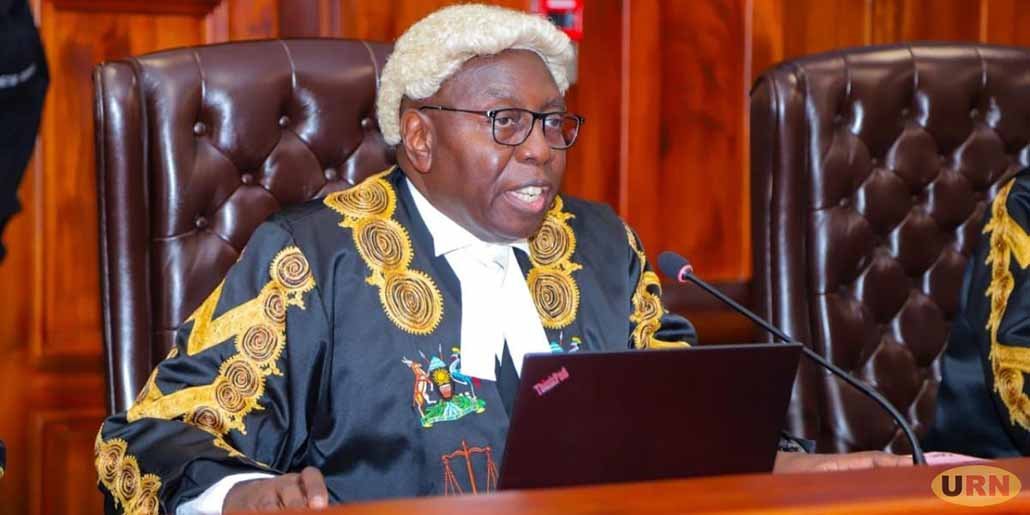
In its decision in Civil Appeal No. 66 of 2016, a panel comprising Justices Geoffrey Kiryabwire, Jesse Byaruhanga Rugyema and John Mike Musisi overturned findings that MTN had violated statutory obligations under Sections 53(1) and 56 of the Uganda Communications Act, 2013.
However, the court upheld MTN’s liability for unlawfully interfering with Ezee Money’s contractual relationships under common law, meaning the company was not fully cleared of wrongdoing.
The decision cuts the original award by Shs2 billion, or approximately 87%.
In November 2015, the High Court’s Commercial Division, presided over by Justice Henry Peter Adonyo, had awarded Ezee Money Shs800 million in general damages and Shs1.5 billion in punitive damages.
The Court of Appeal reduced the general damages to Shs200 million and punitive damages to Shs100 million. Both amounts will attract interest at the court rate from the date of the original High Court judgment until full payment.
In the lead judgment, Justice Kiryabwire ruled that Ezee Money’s business of facilitating financial transactions did not fall within the definition of “communication services” under the Uganda Communications Act.
Ezee Money operated a digital payment platform that allowed customers to transfer money and settle bills using telecommunications infrastructure.
The company had sought to connect its platform to MTN’s network through short code 7711, using third-party aggregator Yo! Uganda Limited. MTN declined the arrangement and instead required Ezee Money to negotiate commercial terms directly with the telecommunications operator.
MTN also had exclusivity agreements with its mobile money agents, preventing them from providing services to competing platforms.
Ezee Money argued that MTN’s actions breached statutory competition protections and undermined its business operations.
However, Justice Kiryabwire held that using telecommunications infrastructure to facilitate financial transactions did not automatically make Ezee Money a provider of communication services.
The judge also referred to testimony from Ezee Money’s chief executive, who acknowledged that the company neither offered communication services nor held a licence to provide them. The executive further confirmed that Ezee Money was not regulated by the Uganda Communications Commission.
On that basis, the appellate court set aside the findings that MTN owed Ezee Money a statutory duty under Section 53(1) and had breached the relevant provisions of the Act.
Despite overturning the statutory competition findings, the court upheld the separate finding that MTN had unlawfully interfered with Ezee Money’s contractual arrangements.
The judges found that evidence showed MTN had persuaded Yo! Uganda Limited to terminate its aggregation agreement with Ezee Money.
Justice Kiryabwire also upheld findings that agents who continued working with Ezee Money had been subjected to harassment, had their equipment confiscated and, in some instances, had been temporarily detained.
The court held that these actions went beyond the legitimate enforcement of commercial contracts.
It reasoned that even if the exclusivity agreements were not expressly prohibited by the law at the time, the methods used to enforce them could independently amount to unlawful interference with contractual relations.
Consequently, MTN remained liable under common law despite the court overturning the statutory competition-related findings.
The Court of Appeal also concluded that the original damages award was excessive in relation to the harm established in court.
Justice Kiryabwire observed that the High Court had relied on online financial reports about MTN’s performance when determining damages, despite the reports having been rejected as evidence.
He held that material excluded from evidence could not properly be used as a basis for calculating compensation.