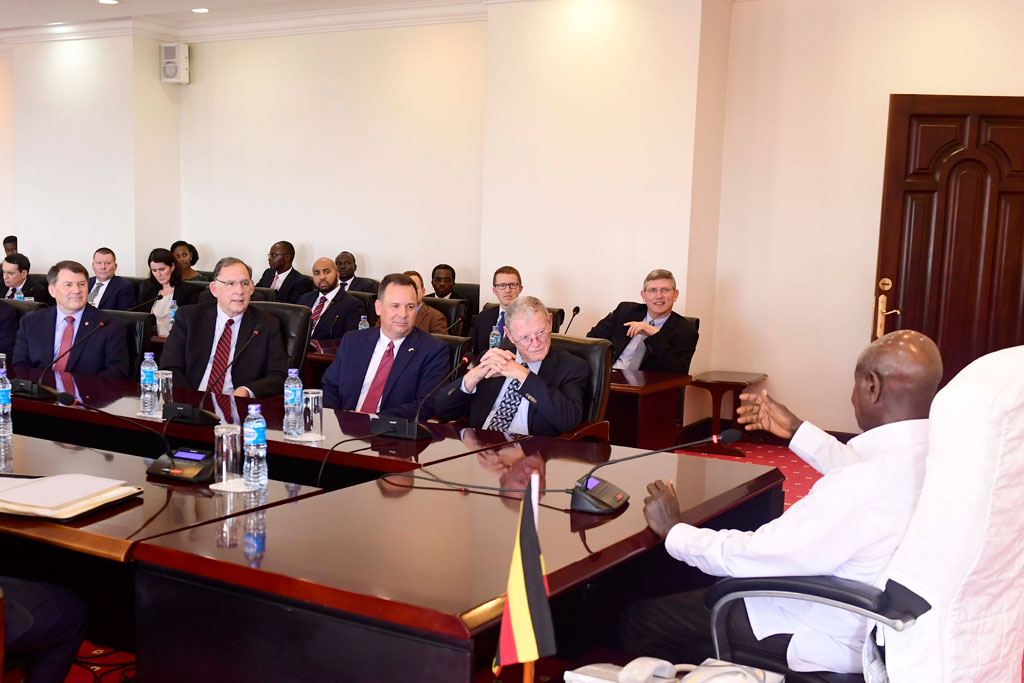

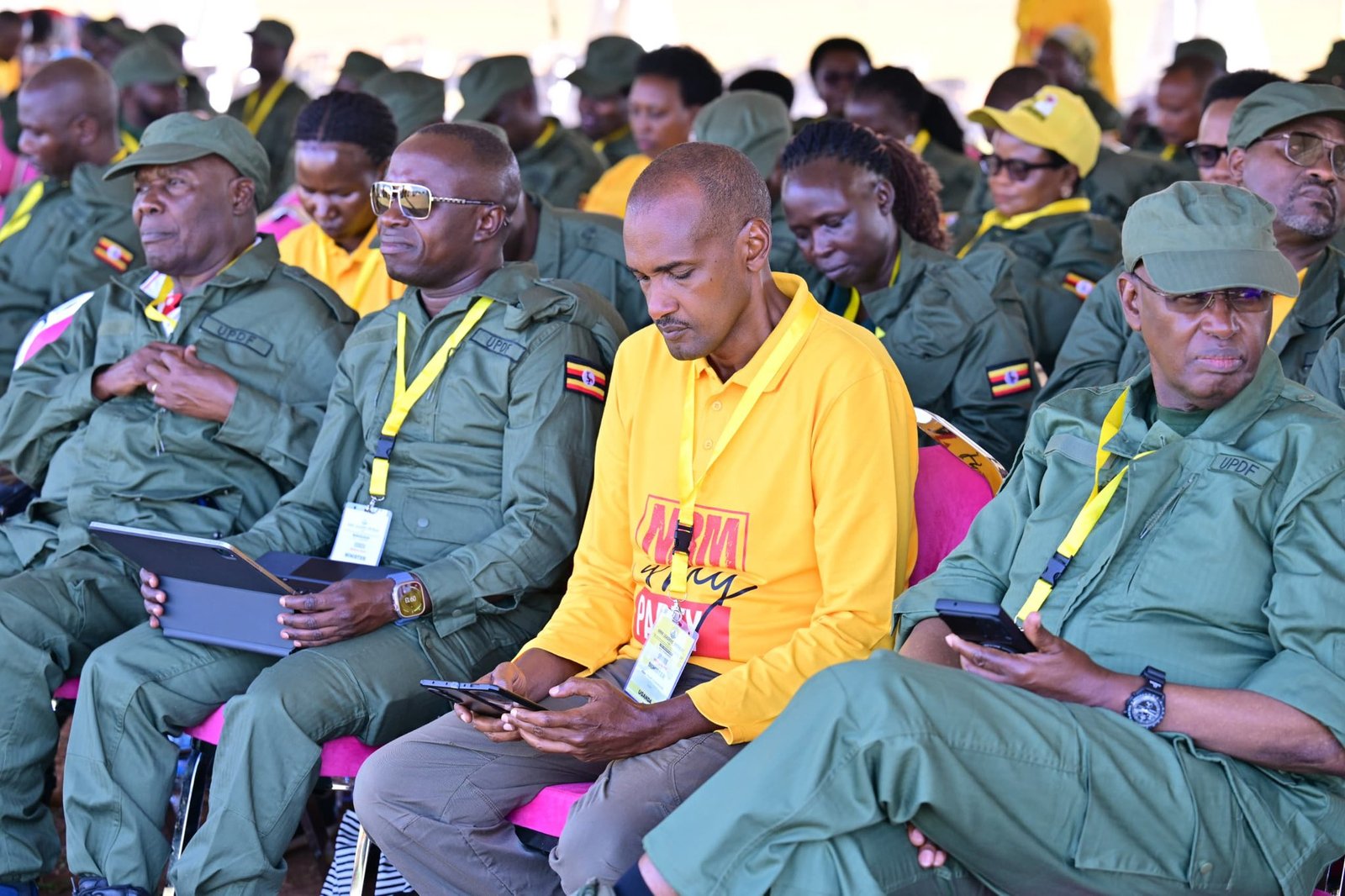
The Minister of Agriculture, Animal Industry and Fisheries, Frank Tumwebaze, has ignited a fresh national conversation on health and body image after publicly addressing concerns about his noticeable weight loss, insisting it is deliberate, healthy, and worth celebrating.
In a strongly worded statement shared on social media, Tumwebaze dismissed speculation about his health and instead turned the spotlight onto what he described as a dangerous and widespread misconception—that being overweight is a sign of good health, while being slim signals illness.
“To health educators, epidemiologists, nutritionists and all health professionals, I am really worried—and you too should be,” he wrote, warning that the fight against non-communicable diseases (NCDs) is far from over.
The minister’s remarks come at a time when Uganda, like many developing countries, is grappling with a rising burden of NCDs such as diabetes, hypertension, and heart disease—conditions often linked to poor diet, sedentary lifestyles, and obesity.
Tumwebaze argued that society must urgently rethink its attitudes toward body size, stressing that “a lean body equals a strong one,” while firmly rejecting the notion that excess weight should be admired or normalized.
“Obesity has never been a badge of honour,” he declared.
The outspoken minister revealed that his transformation is intentional, achieved through disciplined lifestyle changes including dieting, calorie reduction, and increased physical activity. He emphasized that such efforts should be encouraged, not questioned.
“Weight loss can only be worrying if it is unintentional and linked to illness,” he explained. “But when it is planned and achieved through healthy measures, it is one of the best health targets any rational and disciplined person should aim for.”
His message was also a direct response to a wave of concern from friends and supporters who had sent him “quick recovery” wishes, assuming his slimmer appearance was due to sickness.
“Please take heart—I am not sick. My new looks are intentional,” Tumwebaze reassured, adding that he remains in good health and grateful for life.
The tweet, posted while he was at the National Leadership Institute Kyankwanzi (NALI), quickly gained traction online, drawing mixed reactions. While many praised his discipline and candor, others debated his blunt stance on obesity, with some calling for more nuanced discussions around body diversity and health.
Health experts have long warned about the silent rise of non-communicable diseases in Uganda, often fueled by changing diets, urban lifestyles, and limited public awareness. Tumwebaze’s intervention now adds a high-profile government voice to the conversation—one that could influence public attitudes and policy focus.
By framing fitness and intentional weight loss as both a personal and public health priority, the minister has effectively shifted attention to a growing crisis—challenging Ugandans to rethink what it truly means to be healthy.
As the debate unfolds, one thing is clear: Tumwebaze’s message has struck a nerve, reopening critical discussions about health, perception, and the urgent need to confront lifestyle-related diseases head-on.