
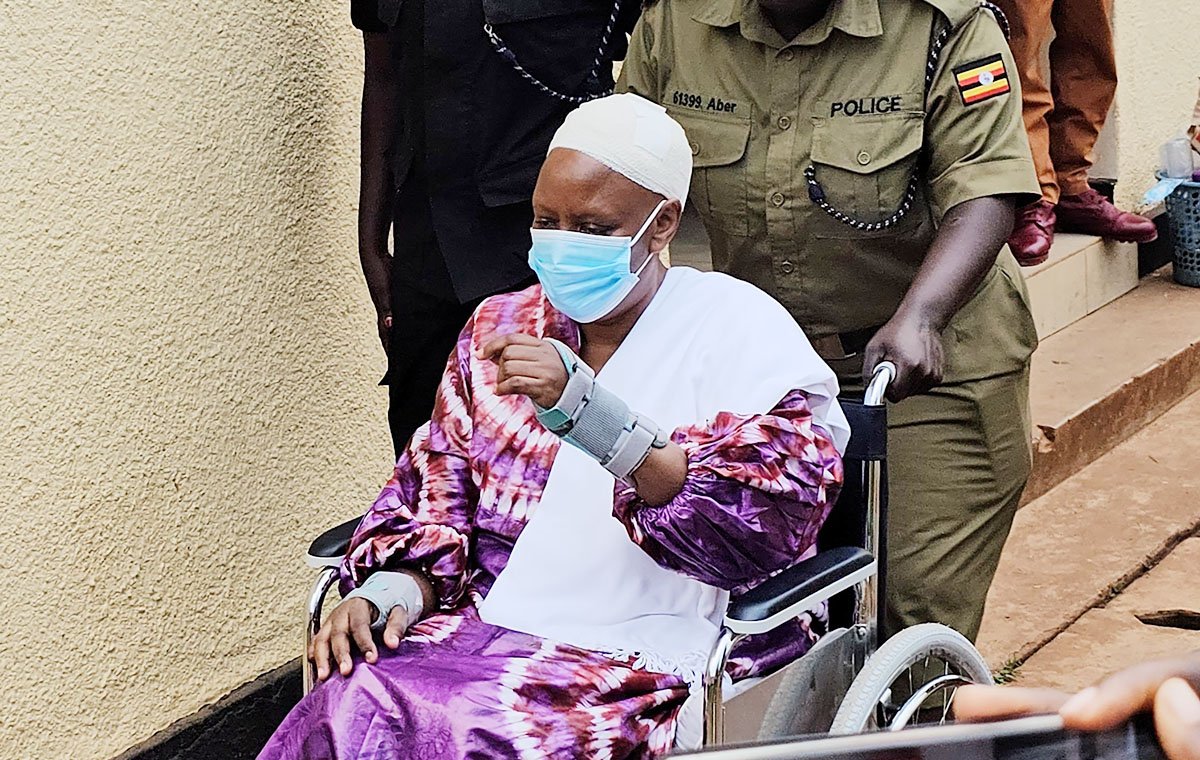
The High Court in Kampala has today ruled that Ms Molly Katanga and four co-accused individuals have a case to answer in relation to the death of her husband, prominent businessman Henry Katanga.
The decision means that the accused must now enter their defence in a high-profile murder trial that has gripped the nation for more than two years.
The ruling, delivered by Justice Rosette Comfort Kania, comes after a prolonged legal battle to determine whether the evidence presented by the prosecution is strong enough to warrant a full defence hearing — a key stage before final judgment can be made.
What the Court Found
Justice Kania held that the prosecution had established sufficient evidence, if believed, to present a prima facie case against:
- Ms Molly Katanga, widow of the deceased and the principal accused;
- Her daughters, Patricia Kakwanza and Martha Nkwazi;
- Family worker George Amanyire; and
- Nursing officer Charles Otai.
Molly faces a murder charge over the fatal shooting of her husband on November 2, 2023, at their family home in Mbuya, Nakawa Division, Kampala District. The four others face related charges including destroying evidence and being accessories after the fact to murder.
Prosecution Allegations
The prosecution — led by Assistant Director of Public Prosecutions Samali Wakooli and Jonathan Muwaganya — alleges that Molly shot Henry and, in concert with the other suspects, attempted to conceal the crime.
State lawyers pointed to circumstantial evidence, forensic analysis and the “last seen” doctrine, arguing that Molly and her husband were the only adults reported to be in the master bedroom at the time of the shooting.
DNA evidence from the firearm showed mixed profiles with Molly as the major contributor — a finding the State says supports her handling the weapon.
Defence Arguments
The defence had asked the court to dismiss the case at the no-case stage, arguing that the prosecution’s evidence fell short of proving murder.
Defence lawyers called the forensic evidence unreliable, citing contradictions in gunshot residue testing and alleged procedural irregularities in how evidence was collected and handled. They also argued that Molly’s extensive injuries — including head wounds — made it improbable she could have fired the gun.
Long Road to Today
The trial has been ongoing since July 2025, after prosecutors closed their case with testimony from at least 25 witnesses.
Witnesses have included forensic experts, police officers, and others involved in the investigation, with some testimony generating controversy over accuracy and interpretation.
Earlier in the proceedings, defence lawyers challenged the validity of certain witness reports and procedures, including handwriting analyses of police reports and alleged inconsistencies in testimony by key prosecution witnesses.
Public Interest and Next Steps
The Katanga case has drawn intense media and public attention in Uganda since the discovery of Henry’s body.
The late businessman was widely known in Kampala’s social and commercial circles, and his untimely death triggered national conversations about domestic violence, forensic processes, and the integrity of investigative procedures.
With the court now satisfied that there is a case to answer, the matter will proceed to the defence stage, where each of the five accused will present their defence before a final judgment is delivered at a later date.