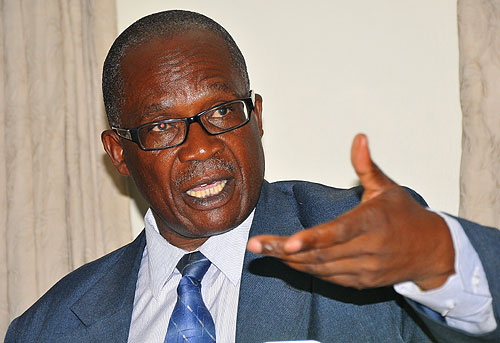

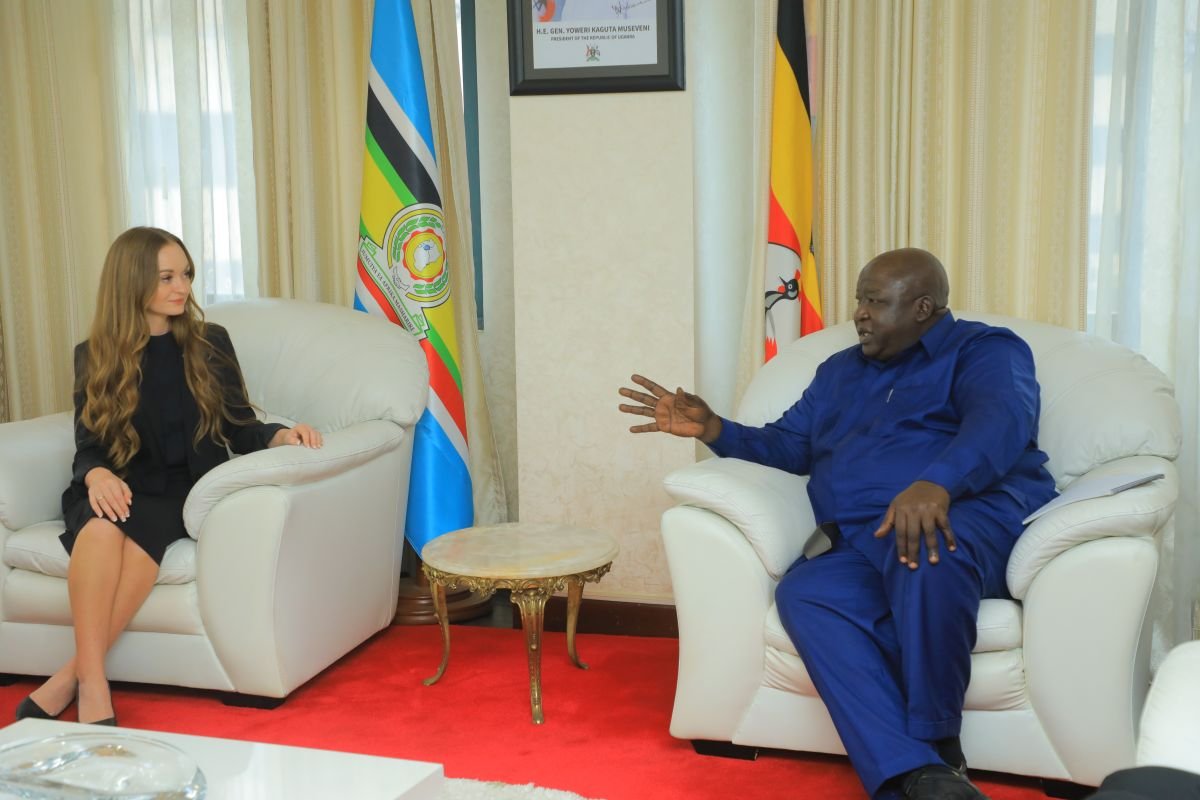
Uganda has intensified its push for American investment following high-level talks between the Minister of State for Foreign Affairs (International Cooperation), Oryem Henry Okello, and a United States delegation led by Sarah Troutman, the U.S. Deputy Assistant Secretary for African Affairs.
The delegation, which included William W. Popp, met the minister in Kampala for discussions centered on advancing commercial diplomacy and expanding economic cooperation between Uganda and the United States.
During the meeting, Oryem outlined Uganda’s strategy to position itself as a leading investment hub in East and Central Africa, citing political stability, an investor-friendly regulatory environment, and liberal profit repatriation policies as key advantages. He noted that investors are allowed to repatriate 100 percent of their profits and that the Ugandan shilling remains relatively stable and freely convertible.
A key highlight of the discussions was Uganda’s emerging oil and gas sector. With first oil production expected soon, the minister pointed to opportunities not only in upstream extraction but also in refinery development, engineering services, logistics, and related auxiliary industries. He encouraged increased participation by American companies, emphasizing the United States’ expertise in energy development and advanced technologies.
Beyond oil and gas, Uganda presented investment prospects in critical minerals, infrastructure development, aviation, rail transport, and telecommunications. Government priorities under the national development framework include expanding the national carrier, strengthening road and rail networks to link regional markets, and improving internet connectivity to support trade and innovation.
Tourism was also identified as a sector with significant growth potential. Officials highlighted Uganda’s natural attractions, favorable climate, and agricultural productivity as key drivers for increased American tourism and hospitality investment, particularly as connectivity improves.
Troutman reaffirmed that commercial engagement is becoming a growing priority in U.S. foreign policy toward Africa. She said American firms bring high operational standards, transparency, and skills transfer that can support sustainable development and job creation. The U.S. delegation pledged to increase awareness among American businesses about opportunities in Uganda and to strengthen follow-up mechanisms through the U.S. Embassy’s commercial team.
While trade and investment dominated the agenda, both sides acknowledged the link between economic growth and regional stability. Oryem pointed to ongoing security challenges in parts of East and Central Africa, including instability in eastern Democratic Republic of Congo, Sudan, South Sudan, and Somalia. He noted that insecurity and illicit mineral exploitation continue to undermine development efforts.
The minister reiterated Uganda’s role in regional peace initiatives and its longstanding open-door refugee policy, describing stability as essential for sustained economic progress.
The meeting concluded with a shared commitment to deepen commercial ties, expand private sector engagement, and translate diplomatic dialogue into measurable investment outcomes, signaling renewed momentum in U.S.–Uganda economic relations.