


The Uganda Law Society (ULS) has formally departed from its long-held position of political neutrality, announcing its endorsement of opposition candidates for the 2026 general elections in a move that has stirred debate within legal and political circles.
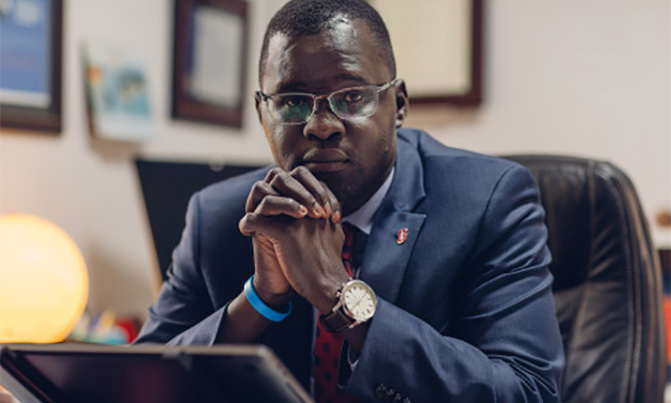
In a statement released on Sunday, December 21, ULS President Isaac Ssemakadde said the Society would support National Unity Platform (NUP) leader Robert Kyagulanyi Ssentamu for the presidency, along with a range of opposition candidates contesting at national and local levels.
The decision, which the Society described as exceptional but unavoidable, marks the first time Uganda’s umbrella body for legal professionals has openly backed candidates in a national election.
Ssemakadde said the move was prompted by what the Society views as a sustained decline in adherence to the rule of law, judicial independence and constitutional governance under the current administration.
He argued that the increasing militarisation of civilian and political life, widespread corruption and impunity, and the perceived capture of state institutions had reached a level where maintaining neutrality would amount to tacit approval.
Endorsed candidates
Under the directive, the ULS endorsed:
- Robert Kyagulanyi Ssentamu for President;
- Erias Lukwago for re-election as Lord Mayor of Kampala;
- Dr Obuku Ekwaro Anthony for Member of Parliament, Oyam South;
- All candidates from the National Unity Platform (NUP) and the People’s Front for Freedom (PFF) contesting at all levels;
- Lawyers and law students seeking elective office nationwide.
The Society said the endorsed candidates offer the most credible pathway toward restoring constitutional order, strengthening accountability, empowering young people and safeguarding the independence of public institutions.
Criticism of state institutions
In its statement, the ULS sharply criticised security agencies and other state institutions, accusing them of suppressing dissent through practices such as abductions, torture, unlawful arrests and the prosecution of civilians in military courts.
The Society also raised concerns about the judiciary, alleging political interference in judicial appointments and decisions that undermine its independence.
Ssemakadde warned that continued silence by the legal profession, in the face of these developments, would constitute a failure of its constitutional responsibility to defend justice and the rule of law.
Call to action
The ULS called on its members, law students, civil society organisations and citizens to actively support the endorsed candidates and participate in efforts to protect the integrity of the electoral process.
The directive takes immediate effect and will remain in force until the conclusion of the 2026 general elections or until it is lawfully withdrawn.
The announcement has drawn mixed reactions, with some applauding the Society’s stance as a principled defence of constitutionalism, while others question whether a professional body should assume an overtly political role.