


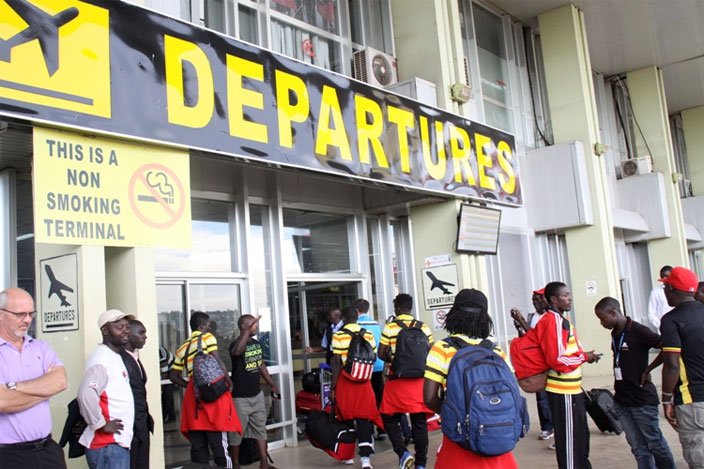
The United Arab Emirates (UAE) has placed Uganda on its 2026 visa ban list, blocking Ugandan citizens from applying for new tourist and work visas.
According to a UAE immigration circular, Uganda is among nine countries affected by the suspension, alongside Afghanistan, Libya, Yemen, Somalia, Lebanon, Bangladesh, Cameroon, and Sudan. Ugandans already in the UAE on valid visas remain unaffected. Authorities have described the measure as temporary, though no timeline has been provided for lifting it.
The ban comes on the heels of a BBC exposé detailing the trafficking and abuse of Ugandan women in Dubai. The investigation highlighted a network allegedly run by Charles Mwesigwa, who recruited women under the guise of supermarket and hotel jobs, only to force them into sex work under debt bondage. Testimonies included accounts of degrading exploitation and suspicious deaths of young Ugandan women, such as 23-year-old Monic Karungi and Kayla Birungi, whose families say their cases were never fully investigated.
Uganda sends approximately 4,457 workers annually to the UAE, accounting for 4.5% of its total migrant workforce. Most work in domestic roles such as housekeeping, driving, and security, with women making up a significant share. Labour migration to the Gulf has long been an escape route for unemployed youth, while remittances form a crucial lifeline for Ugandan households and contribute to national revenue.
Beyond labour, Dubai has also become a key hub for Ugandan traders who source electronics, jewellery, clothing, and other goods, as well as for tourists drawn to the city’s luxury lifestyle. The ban therefore disrupts not only migration but also business operations and leisure travel.
The development has raised concerns among labour rights advocates and policymakers, who warn that it may push desperate Ugandans into even riskier migration pathways. Critics stress the need for stronger protections for migrant workers and urgent diplomatic engagement with the UAE to address the fallout.
Though the UAE insists the measure is temporary, observers believe the decision was influenced by the rising international scrutiny of trafficking networks exploiting Ugandan women in the Gulf. For Uganda, where migration has served as a safety valve for unemployment and a source of remittances, the visa ban represents a serious setback with both human and economic consequences.