

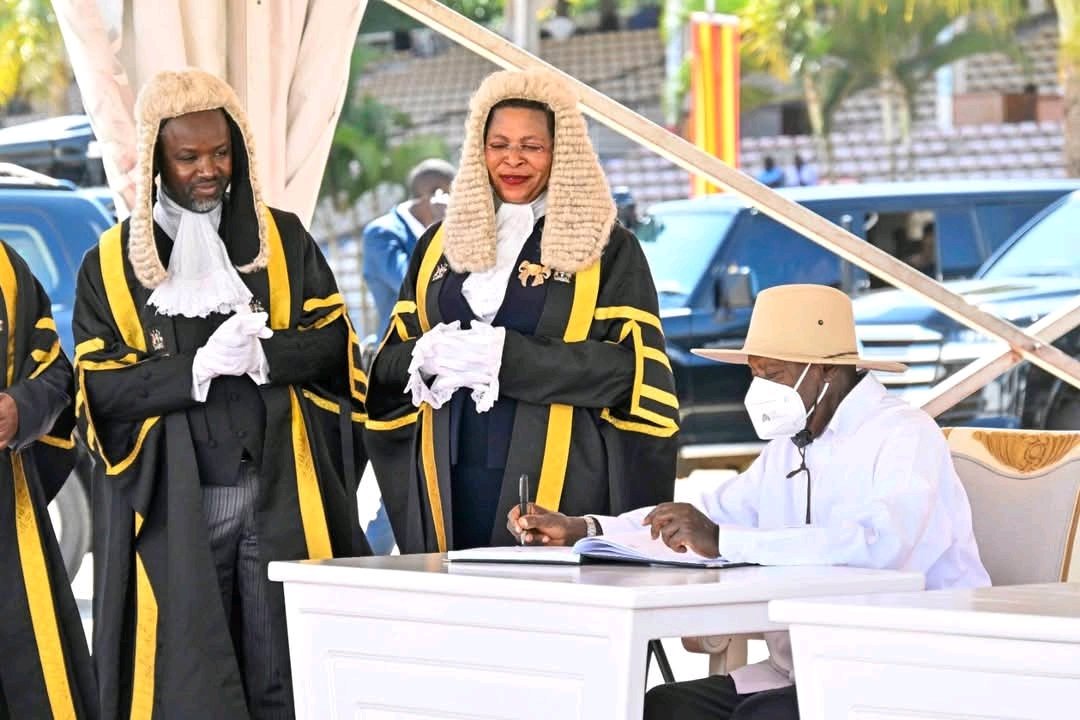
President Yoweri Kaguta Museveni has unveiled Uganda’s 2025/2026 national budget, declaring that the economy has taken off and urging leaders to match financial allocations with performance and accountability.
The Shs 72.376 trillion budget was presented under the theme “Full Monetization of the Ugandan Economy Through Commercial Agriculture, Industrialization, Expanding and Broadening Services, Digital Transformation and Market Access.”
Hon Matia Kasaija, the Minister of Finance, Planning and Economic Development, delivered the budget on behalf of the President, fulfilling Article 155(1) of the Constitution. The ceremony took place at Kololo Ceremonial Grounds.
President Museveni cited strong economic indicators presented by the minister, noting that Uganda’s economy has grown to USD 61 billion by exchange rate and USD 174 billion by purchasing power parity, pushing Uganda into lower middle-income status.
The President emphasized key signs of economic health including GDP growth, stable prices, currency stability, job creation, increasing export earnings, and foreign direct investment inflows.
He noted that in 1986, Uganda’s GDP was only USD 3.9 billion, highlighting that the economy has grown more than twentyfold since then.
The budget is aligned with the Fourth National Development Plan (NDPIV) and prioritizes agro-industrialization, tourism, minerals including oil and gas, ICT, and critical public infrastructure.
President Museveni raised concern about inefficiencies in budget execution. He questioned the use of Shs 218 billion allocated to Luweero veterans, which was later reduced to Shs 5 million per elder and Shs 1 million per supporter.
He urged leaders to follow up on Shs 80 billion allocated for cattle compensation in Teso, Lango, and Acholi regions.
Addressing sports infrastructure, he demanded accountability from the National Council of Sports over funds allocated to various stadiums including Kakyeka.
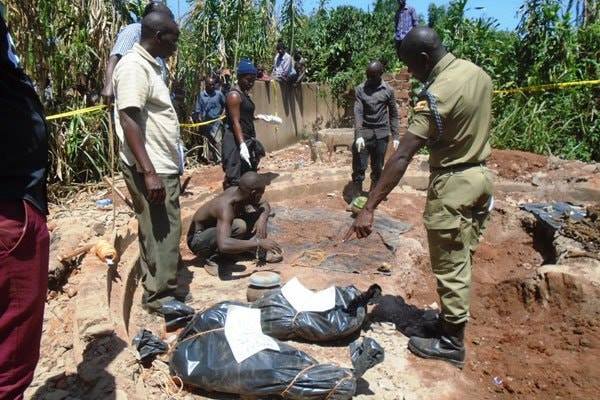
The President addressed concerns about digital number plates, stressing that their purpose is to combat crime, not collect fines. He cited the June 10 murder of Wayengera Godfrey in Mukono as an example of the need for effective crime-fighting tools.
He explained that the digital plates are tracked through a central command system that enhances security.
President Museveni reaffirmed the role of government programs like NAADs, Operation Wealth Creation, Parish Development Model, and Emyooga in fighting poverty and driving transformation.
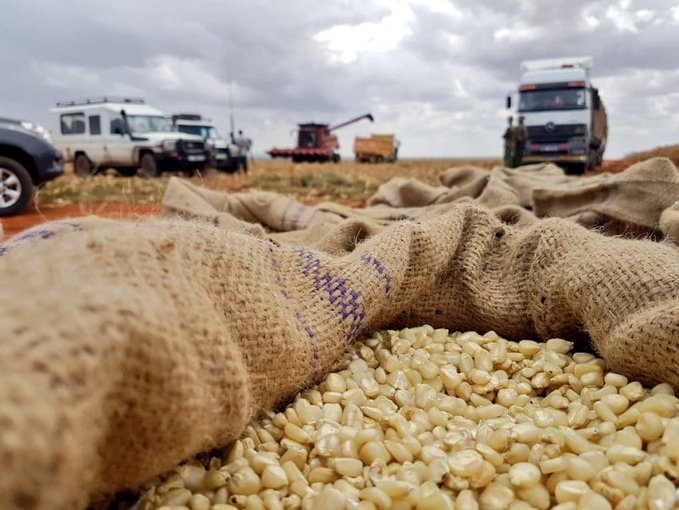
He praised government scientists for innovations that have led to the Coffee boom and successful ventures such as palm oil in Kalangala and the dairy industry in the cattle corridor.
The President criticized political bribery and vote-buying disguised as fundraising, saying it undermines voters’ power and national development.
He urged voters to reject petty bribes and instead elect leaders who will supervise public funds, fight corruption, and uphold transparency.
He called on citizens to act as whistleblowers in the fight against corruption and credited Uganda’s progress to actors including the NRA/UPDF, wealth creators, scientists, and patriotic politicians supporting NRM programs.
Responding to claims that he promotes bribery by giving envelopes, the President clarified that such gestures are part of traditional practice known as okurongoora, a symbolic act by a leader, not comparable to politicians’ fundraising.
He warned against exploitative individual fundraising by MPs, calling it unsustainable and misleading. He encouraged collective community fundraising or okusonda instead.
He recalled how his father used to contribute towards local community activities, citing a Shs 5 contribution for a pot of rwaagwa in the 1950s.
President Museveni urged church leaders and elders to question suspicious wealth among young politicians and reject gifts suspected to be proceeds of corruption.
The Speaker of Parliament, Rt Hon Anita Annet Among, commended the President for presenting the budget and noted that it reflects Uganda’s democratic values and constitutional obligations.
She emphasized the collaborative nature of the budget process and urged stakeholders to ensure effective implementation and accountability.
She noted Parliament’s role in scrutinizing ministerial policy statements between April 9 and 16, and passing seven revenue bills aimed at strengthening domestic revenue generation.
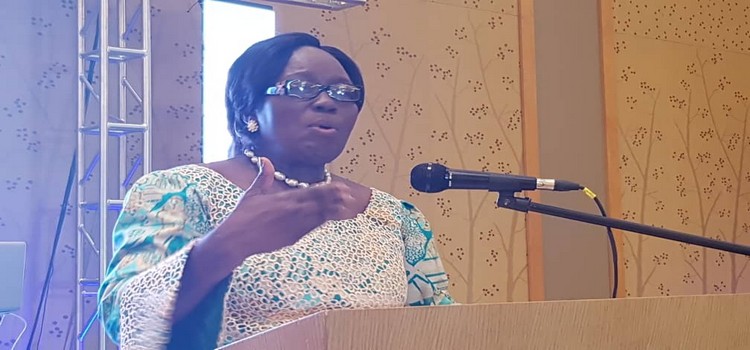
While presenting the budget, Hon Kasaija stated that Uganda’s economy is now characterized by resilience and growth, projecting a 6.4 percent growth in the next financial year.
He attributed this to sound fiscal policies, investment in infrastructure, affordable credit access, and private sector development.
Hon Kasaija recalled the government’s focus since 2010 on peace restoration, economic stabilization, and now, socio-economic transformation under the principles of patriotism, Pan-Africanism, democracy, and development.
He announced that Uganda met the UN criteria to graduate from least developed country status in March 2024.
Shs 11.4 trillion has been allocated to education and health under the Human Capital Development Program. The funds will go toward teacher salary enhancement, classroom construction, digital infrastructure, and curriculum reforms.
Youth employment is to be boosted through the Presidential Industrial Hubs and the Skilling Uganda Program.
Debt servicing will take Shs 28.5 trillion, including Shs 11.3 trillion for interest payments, Shs 4.9 trillion for external debt, and Shs 1.4 trillion for domestic arrears.
The budget will be financed through Shs 37.2 trillion in domestic revenue, Shs 11.3 trillion in domestic borrowing, Shs 11.3 trillion in external project support, and Shs 10 trillion for domestic debt refinancing.
Transport infrastructure will receive Shs 6.8 trillion, with Shs 2.2 trillion for roads and bridges and Shs 1.17 trillion for the Standard Gauge Railway. Projects to be prioritized include Puranga-Acholibur, Kampala-Gayaza-Kalagi, Lugazi-Kiyindi, Kabwohe-Nyakabirizi, and Busega-Mpigi.
The government has also refurbished the Mukono-Kampala Metre Gauge Railway and is rehabilitating 375km of the Tororo-Gulu line, expected to be completed by February 2026.
To boost household incomes, PDM will receive Shs 1.075 trillion, Emyooga Shs 100 billion, and the informal sector Shs 3 billion.
The Uganda Development Bank will get Shs 414 billion to support agro-industrial and manufacturing enterprises.
Inflation remains under control, and the Uganda shilling continues to be one of the most stable currencies in Africa.